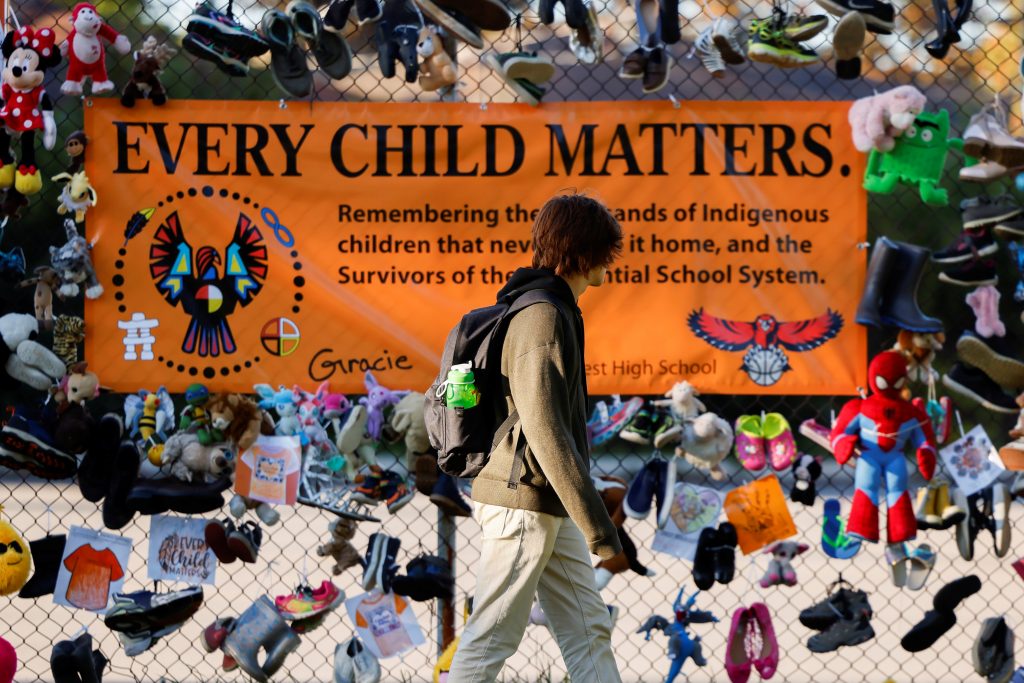




In recent years, conversations surrounding mental health have gained significant traction in Canada. However, one aspect of mental health that often gets overlooked is how systemic racism deeply impacts the mental well-being of Black Canadians and people of colour. Racism, both overt and subtle, can have long-lasting effects on an individual’s psychological state, creating barriers to not only happiness but also to basic mental health care.
The mental health toll of racial discrimination is not just a private struggle but a public health crisis that continues to go unaddressed in many spheres of Canadian life. The invisible wounds of racism manifest in anxiety, depression, stress, and a deep sense of alienation. For many Black Canadians and other racialized communities, racism is an inescapable and often unspoken part of everyday life. The trauma that racism causes has ripple effects not only on an individual’s mental health but also on their family and community.
“It’s Exhausting, and You Carry It Every Day”
For people of colour in Canada, daily interactions are often accompanied by microaggressions, outright discrimination, or being subjected to harmful stereotypes. “It’s exhausting,” says Nicole, a Black woman from Toronto, “and you carry it every day. It’s not just the big things like being harassed by the police, but it’s also the little things that wear you down — when you’re the only person of colour in a meeting, and you’re expected to speak for your entire race.”
Many people of colour speak about the constant feeling of being watched or judged. This feeling of hyper-awareness can lead to mental fatigue. “Every time I walk into a store, I feel like the staff are watching me more closely than other customers,” says James, a 35-year-old Black man from Montreal. “It’s stressful to constantly feel like you’re under scrutiny, and that stress builds up over time.”
Research has shown that individuals who are subjected to regular discrimination are more likely to experience anxiety and depression. A 2020 study conducted by the Mental Health Commission of Canada found that racialized communities, especially Black Canadians, are more likely to face mental health challenges related to racism but less likely to seek professional help due to the stigma and lack of culturally competent services.
“Racism Hurts More Than Just Feelings—It Hurts Your Mind”
“Racism hurts more than just feelings—it hurts your mind,” says Dr. Michelle Charles, a clinical psychologist specializing in trauma among racialized individuals. “People who experience racism often carry with them a form of trauma that can manifest in different ways—hypervigilance, feelings of inadequacy, or even a deep sense of hopelessness.”
Dr. Charles explains that microaggressions—those seemingly small slights and indignities that people of colour encounter daily—are not just minor irritations. Over time, they can build up and have a significant psychological toll. “It’s like being pricked by a needle repeatedly. One prick might not hurt much, but if you get pricked every day, it starts to add up, and the pain becomes unbearable.”
For Black Canadians and Indigenous people, the legacy of systemic racism and colonialism compounds the daily struggles they face. “Historical trauma, especially for Indigenous and Black communities, continues to shape the way people experience the world today,” Dr. Charles adds.
The Intersection of Racism and Mental Health Services
One of the major barriers to addressing the mental health impacts of racism is the lack of culturally sensitive mental health services. Many Black Canadians and people of colour feel that the health care system is not designed for them, and this mistrust prevents them from seeking help. “When I went to see a therapist after a particularly bad encounter with the police, I felt like I wasn’t being heard,” shares Maria, a 29-year-old Latina woman. “It felt like they didn’t understand what it’s like to live with the constant fear of being judged for your skin colour.”
Black and Indigenous communities in Canada also face disparities in access to mental health care. A report by the Wellesley Institute found that Black Canadians are less likely to have access to mental health services compared to their white counterparts, partly due to economic barriers and systemic biases within the health care system itself. “The system isn’t built for us,” says Michael, a community organizer in Vancouver. “And that’s a big part of the problem. If mental health professionals don’t understand the impact of racism, how can they truly help us?”
“It’s Like a Weight You Can’t Put Down”
Many Black Canadians describe racism as a weight that they carry with them every day. “It’s like a weight you can’t put down,” says Kofi, a Ghanaian-Canadian man from Ottawa. “You try to push it aside and keep going, but sometimes it gets too heavy, and it affects everything—your job, your relationships, your mental health.”
For those who do manage to seek mental health support, the process is often fraught with challenges. The lack of Black mental health professionals in Canada means that many individuals do not see themselves reflected in the services available to them. “It’s hard to open up about your experiences with racism when the person sitting across from you doesn’t share those experiences,” says Darnell, a Black man who sought therapy after years of dealing with anxiety.
This feeling of isolation is echoed by many in the Black and Indigenous communities. “When you’re already dealing with the pressures of racism, you don’t want to have to explain your existence to someone who might not get it,” adds Sabrina, an Indigenous woman from Manitoba. “You need someone who understands, someone who’s been there.”
Community as a Source of Healing
Despite the challenges, many Black Canadians and people of colour have found strength and healing through their communities. “My church has been my lifeline,” says Angela, a Jamaican-Canadian woman. “It’s where I go to feel seen and heard. It’s where I can let go of the stress of being Black in a world that often doesn’t value Black lives.”
Community spaces, whether they be religious, cultural, or social, offer a sense of belonging and support that can counteract the negative mental health effects of racism. “I think for a lot of Black people, healing happens in community,” says Dr. Charles. “It’s in those shared spaces where we can talk about our experiences openly and know that we are not alone.”
For many, activism has also been a way to reclaim agency in the face of systemic oppression. “Fighting back against racism, whether through protest, art, or advocacy, can be incredibly empowering,” Dr. Charles adds. “It gives people a sense of purpose and a way to channel their pain into something meaningful.”
The Need for Systemic Change
While individual coping mechanisms are important, many Black Canadians stress that the solution to racism’s mental health toll lies in systemic change. “We need more than just therapy. We need justice,” says Kofi. “We need to dismantle the systems that perpetuate racism in the first place. Only then can we start to heal as a society.”
Mental health professionals and advocates are calling for a greater focus on addressing the root causes of racial discrimination, including systemic inequities in education, employment, and health care. “Racism is a public health issue,” says Dr. Charles. “And until we treat it as such, we will continue to see the devastating effects on the mental health of Black Canadians and people of colour.”
Racism in Canada continues to deeply affect the mental health of Black Canadians, Indigenous people, and other racialized communities. While progress has been made in recognizing the importance of mental health, there is still much work to be done in addressing the unique challenges faced by people of colour. From microaggressions to systemic discrimination, the impact of racism on mental health is pervasive, and it requires both individual and collective action to bring about meaningful change. As Canada moves forward, it is crucial that the mental health needs of all its citizens are met, and that the invisible wounds of racism are acknowledged and healed.