


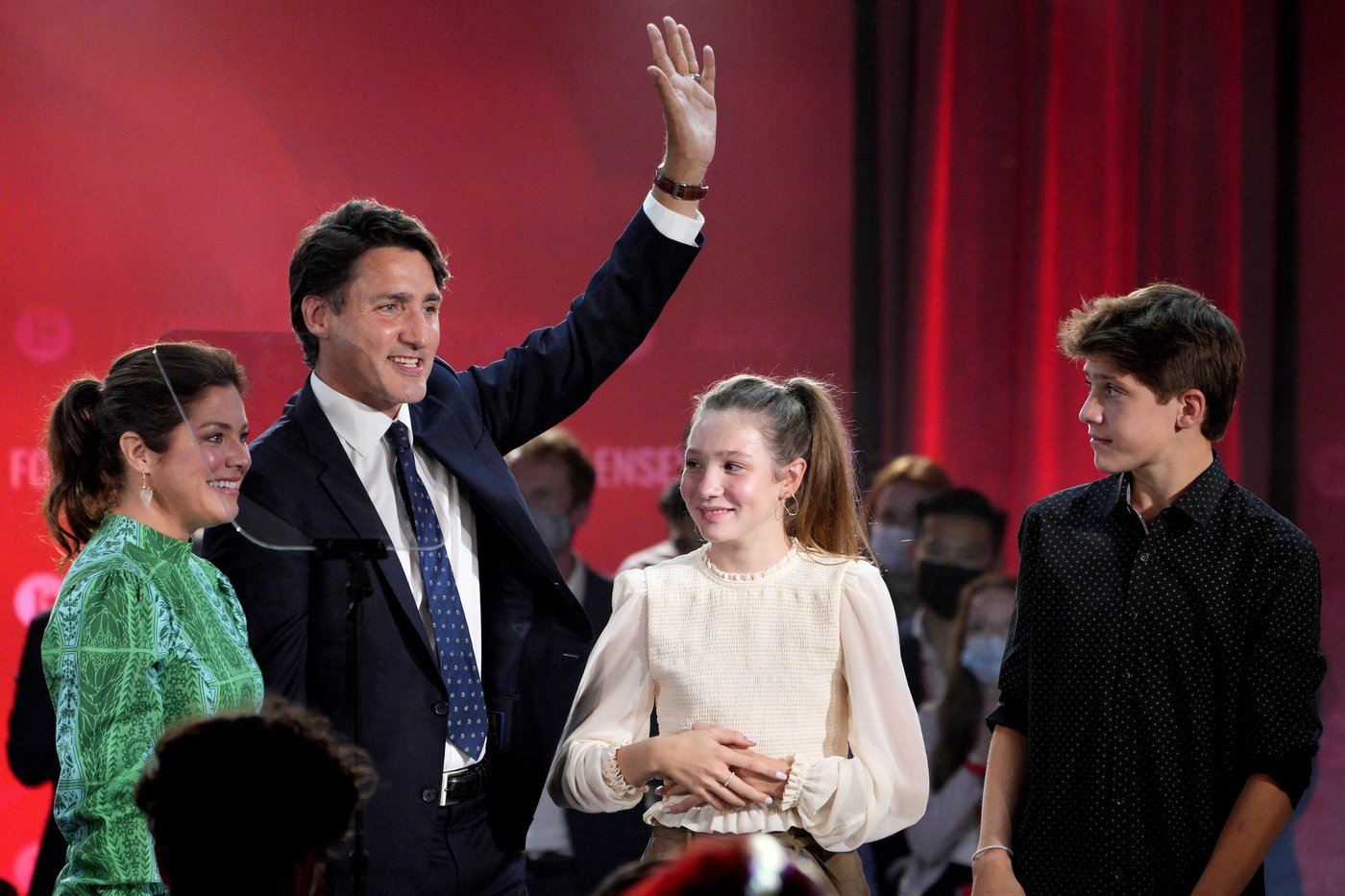
As Justin Trudeau prepares to step down as Prime Minister of Canada, the legacy of his government’s efforts to address systemic racism against Black Canadians comes under scrutiny. While his administration has made gestures toward equity and inclusion, many in the Black Canadian community argue that real, lasting change has yet to materialize. With Trudeau’s departure, the question remains: has his government done enough to dismantle the systemic barriers that continue to disadvantage Black Canadians, or has it fallen short?
When Justin Trudeau was first elected in 2015, many Black Canadians were optimistic about his potential to bring progressive change. Trudeau’s public stance on diversity and inclusion was seen as a breath of fresh air compared to previous administrations. He appointed a gender-balanced cabinet, welcomed refugees, and acknowledged Canada’s colonial past.
Yet, the optimism that many felt in those early years has gradually dissipated. In interviews across Canada, Black Canadians express disappointment at what they see as a pattern of performative allyship rather than substantive action.
“He was supposed to be different,” says Aisha Miller, a Black community activist in Toronto. “But after eight years, we’re still having the same conversations about police violence, racial profiling, and lack of access to opportunities. There’s been a lot of talk, but not enough real action.”
One of the most glaring failures of the Trudeau government in addressing systemic racism, according to critics, has been the lack of significant police reform. Despite repeated calls from Black Canadians to address racial profiling, police violence, and the over-policing of Black communities, meaningful legislative change has been slow.
In the wake of the global Black Lives Matter movement, Trudeau knelt at a protest in Ottawa, signaling his solidarity with protesters demanding justice for George Floyd and other victims of police violence. While this gesture was widely publicized, many felt that it was hollow without concrete action to address police brutality in Canada.
“I remember seeing him take a knee and thinking, ‘Okay, this is a good sign,’” says Anthony Roberts, a Black educator in Montreal. “But then, nothing happened. We still have the same problems with the police that we’ve had for decades. Where are the reforms? Where’s the accountability?”
The Trudeau government did launch a National Action Plan on Combatting Hate in 2021, which included funding to combat hate crimes and support for victims. However, critics argue that this plan has done little to address the root causes of systemic racism within law enforcement.
Black Canadians continue to face significant barriers in employment, income, and wealth generation, and many argue that Trudeau’s government has not done enough to address these disparities. A 2020 study by the Canadian Centre for Policy Alternatives found that Black Canadians earn less than their white counterparts across almost every sector and that the wage gap is even wider for Black women.
Trudeau’s administration introduced the Black Entrepreneurship Program in 2020, which aimed to provide Black business owners with funding, mentorship, and support. While the program was a step in the right direction, many in the Black community argue that it was too little, too late.
“The entrepreneurship program was helpful for some, but what about the rest of us?” asks Nicole Johnson, a Black small business owner in Vancouver. “We need broader economic reforms that address the systemic issues we face in employment, not just targeted programs that only help a small percentage of the population.”
Johnson’s sentiment is echoed by many Black Canadians, who argue that the government has focused on symbolic measures rather than tackling the structural inequities that continue to hold Black Canadians back.
The COVID-19 pandemic laid bare the deep racial disparities in Canada’s healthcare system, with Black and other racialized communities experiencing disproportionately high rates of infection and mortality. While Trudeau’s government acknowledged these disparities and pledged to address them, critics argue that the response was insufficient.
“We were on the front lines of the pandemic—working as essential workers, getting sick at higher rates—and yet the government’s response didn’t seem to take that into account,” says Dr. Matthew Davis, a Black physician in Toronto. “We’ve been calling for better access to healthcare, more representation in the medical field, and culturally competent care for years, but we’re still waiting for real change.”
Trudeau’s government did allocate funding for mental health services specifically for Black Canadians, but many argue that this is just a band-aid solution to a much larger problem.
Education is another area where Black Canadians feel that Trudeau’s government has fallen short. Despite promises to address inequities in the education system, Black students continue to face disproportionately high rates of suspension and expulsion, and there is still a lack of Black representation in both teaching and administrative positions.
“We’ve been asking for more Black teachers, more culturally relevant curriculum, more support for Black students, but it feels like our voices aren’t being heard,” says Angela Williams, a Black parent in Halifax. “My kids are growing up in a system that doesn’t see them, doesn’t value them. Trudeau talked a lot about diversity and inclusion, but where’s the follow-through?”
In response to these criticisms, Trudeau’s government has pointed to several initiatives aimed at addressing systemic racism. In addition to the Black Entrepreneurship Program, the government has also introduced measures such as the Anti-Racism Strategy and the establishment of the Anti-Racism Secretariat, which aims to coordinate efforts to combat racism across federal departments.
However, for many Black Canadians, these initiatives have been more symbolic than substantive. Critics argue that the government has failed to follow through on its promises, leaving systemic racism largely intact.
“We’ve seen some progress, but it’s not nearly enough,” says Marcus Thompson, a Black professor of sociology at the University of Alberta. “The government has been good at acknowledging the problem, but less good at actually doing something about it. We need more than just words—we need action.”
As Trudeau steps down, his legacy on racial justice and equity is a mixed bag. While his government made strides in acknowledging the existence of systemic racism and launched several initiatives aimed at addressing it, many Black Canadians feel that these efforts have not gone far enough.
The question now is whether Trudeau’s successor will be able to build on these efforts and bring about the real, lasting change that Black Canadians have been demanding for years. As the country moves forward, it remains to be seen whether the promises of equity and inclusion will finally be fulfilled.
“We can’t wait another eight years for change,” says Aisha Miller. “We’ve been patient long enough. It’s time for Canada to truly reckon with its history of systemic racism and take meaningful steps to address it. We need a government that’s willing to go beyond the rhetoric and actually do the work.”
With Trudeau leaving office, the Black Canadian community is left wondering whether the next government will step up where his administration fell short—and whether Canada will finally become the equitable, inclusive nation it aspires to be.
Follow Canada News Media
Get the day's top Canadian stories and our two daily 60-second news videos wherever you scroll.
X Threads Facebook Instagram LinkedIn TikTok YouTube Pinterest Reddit Substack Flipboard Newsletter RSS