



Fisheries and Oceans Canada is funding 26 projects – including five based out of Nova Scotia – to help rid the oceans of destructive litter.
The $8.3 million Sustainable Fisheries Solutions and Retrieval Support Contribution program, known as the Ghost Gear Fund, will help support 22 projects in Canada and four internationally over the next two years.
Marina Petrovic is a senior staff officer at Fisheries and Oceans Canada and says more than eight million metric tons of plastic ends up in the world’s oceans every year. She says lost and abandoned fishing gear is one of the largest and most deadly contributors.
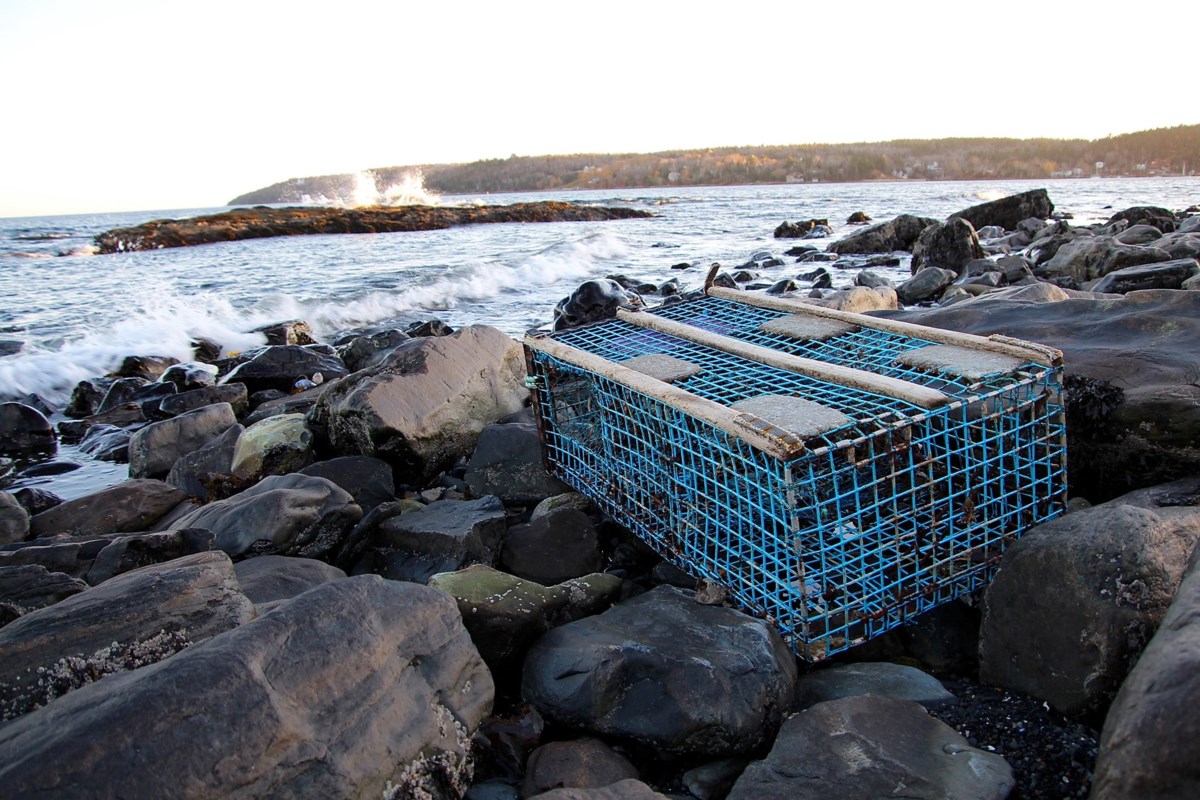
“Ghost gear makes up about 46 to 70 per cent of the total weight of plastic in the ocean,” she says “We are talking about things like fishing nets, crab pots, and lobster traps, which are considered some of the most harmful marine plastic pollution out there because of their ongoing impact of being able to catch fish.”
The projects receiving funding from the federal government are diverse, but all relate to at least one of the following: gear retrieval, responsible disposal, acquisition and piloting of available gear technology, or international leadership.
Petrovic says there was an overwhelming interest in the Ghost Gear Fund.
“This project received more than $39 million in requests for the $8 million, so it was quite challenging to make decisions,” she says. “There were some wonderful projects that we were able to support immediately, and hopefully in the future we might be able to circle back.”
The Fishing Gear Coalition of Atlantic Canada is one of the Nova Scotian recipients, receiving $352,500 for its project.
The new non-profit was formed in November 2018 and works to develop solutions for abandoned, lost, and discarded fishing and aquaculture gear. Over the next 21 months, it will be working with agriculture waste management charity Cleanfarms to implement a product stewardship program for end-of-life fishing gear across Eastern Canada.
“The idea behind the project stewardship program was to create a self-sustaining, convenient and effective solution to collecting and properly managing end-of-life fishing gear,” says Marquita Davis who is part of the project team for the Fishing Gear Coalition of Atlantic Canada.
Davis says the project will begin by focusing on fishing rope and lobster traps in Nova Scotia, but will hopefully expand to include other gear, and involve more provinces.
“The hope is that if we can do it here in Nova Scotia, which is where we are looking to pilot it first, then we can do it in other parts of eastern Canada as well, and help work with those provinces and fishing industries,” she says.
While the project is in its preliminary phase of planning, Davis says the group is considering ideas like placing bins at various fishing harbours to collect rope and lobster traps. It will then organize transportation for the collected product to recycling or waste management facilities.
“Nothing is confirmed, but we would like to work with organizations who can repurpose or recycle this product before it goes to landfill,” she says.
Other Nova Scotian recipients of the Ghost Gear Fund include Cape Breton Fish Harvesters Association, Coastal Action, and CSR GeoSurveys Ltd, which will all be leading projects relating to ghost gear retrieval.
Fisheries and Oceans Canada will also be funding a project organized by The Eastern Nova Scotia Marine Stewardship Society. Its work will include pilot studies of GPS-enabled smart buoy technology and its capability across different fisheries and industries.
Learn more about the projects being supported by the Ghost Gear Fund on this interactive map.