

Buying a home in Whitehorse and the Yukon has become substantially more difficult to do in the last year.
Buying a home in Whitehorse and the Yukon has become substantially more difficult to do in the last year.
The latest real estate numbers show the average price of a home in the city is now just over $650,000.
That marks an increase of more than $100,000 since 2020.
It’s also a jump of $60,000, or 10.2 per cent, compared to the first quarter of 2021 ($590,700).
That’s more than enough to cause ripples of concern throughout the territory.
Denny Kobayashi, a spokesperson for the Yukon Chamber of Commerce, was one of those people saying it’s not good news for people.
He told the Star it isn’t surprising, but he was taken aback by just how much real estate prices have rocketed upward.
He called the issue one of the biggest challenges currently facing the Yukon.
Kobayashi said he has been hearing about the issue from a variety of businesses.
It’s difficult enough to recruit workers, he said, but the lack of housing is resulting in people turning down job offers because they simply can’t find a suitable place to live.
He mentioned one non-governmental organization that had recently hired a person to fill a senior position.
The new hire was forced to turn it down shortly thereafter because they couldn’t find a place to live.
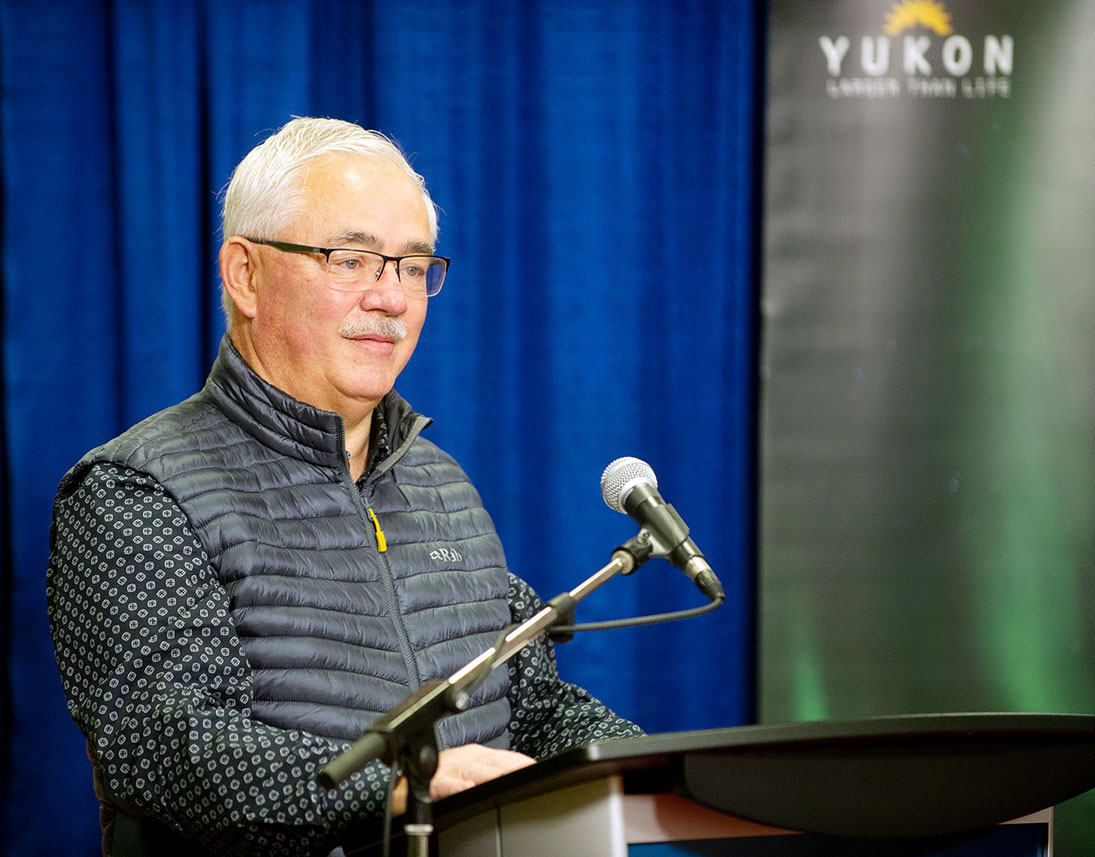
Marc Perrault, the president of the Yukon Real Estate Board, said the figures are a bit deceiving.
“We know what the cause is. Demand is outstripping supply,” Perrault told the Star.
However, he suggested the market is being distorted somewhat by two main factors.
First, he said there are people moving to the territory from points south to take new employment who are willing and able to spend more than the recommended 40 per cent of their income on housing.
That’s helping to drive up the prices of higher-end homes.
That’s leading to offers coming in over the asking and market price, Perrault said. In effect, there are bidding wars happening, but only over some properties.
Second, Perrault said, there’s another subset of people moving to the Yukon to retire.
They’re often flush with money from the sales of their homes wherever they’re coming from, and can also afford to pay more than market rates.
Perrault said he sees both of these scenarios as hugely influencing real estate prices, but he insisted “that’s not the real market.”
The Yukon is basically a tiny market, and even a few real estate deals closing over market prices can have a sizeable impact on overall numbers that’s disproportionate to what’s actually happening, he said.
“That’s for a smaller number of homes, but it’s really distorting the picture of what’s going on,” Perrault emphasized. “It’s not an accurate view of the market, though.”
Another factor driving the red-hot market is simply the movement of people into the Yukon.
The territory is viewed as a desirable location, and it’s always been stable economically, he said.
He called the lure of the Yukon as being “de-urbanization”, although of course most people will end up in Whitehorse.
Perrault said he doesn’t see the market cooling off any time soon, but he’s confident eventually it will adjust.
According to the report, in the second quarter of 2021, the total value of real estate transactions in the Yukon was $129.9 million: $106.7 million in Whitehorse and $23.1 million for the rest of Yukon.
• The average sale price of a single-detached house in Whitehorse was $650,700, a record-high and an increase of $103,900, or 19.0 per cent, from the second quarter of 2020 ($546,800).
• The average condo sale price in Whitehorse was $457,700, an increase of $44,900, or 10.9 per cent, from the second quarter of 2020.
A total of 91 single-detached houses were sold, an increase of 15 compared to the second quarter of 2020.
• There were 54 condo sales, a decrease of 18 compared to the second quarter of 2020.
• The average condo price was $457,700, an increase of $44,900, or 10.9 per cent, compared to the second quarter of 2020 ($412,800).
• Eleven mobile homes were sold at an average price of $371,300, also a record-high.
• Five duplexes were sold at an average price of $476,200, a record-high.
The average country residential property sold for $780,000 in the second quarter, up from $639,000 a year earlier.
Nine commercial properties were sold at a value totalling $6.6 million.

Follow Canada News Media
Get the day's top Canadian stories and our two daily 60-second news videos wherever you scroll.
X Threads Facebook Instagram LinkedIn TikTok YouTube Pinterest Reddit Substack Flipboard Newsletter RSS