

Notably, the pandemic has magnified underlying existing issues of racism, discrimination, health inequities and marginalization of Black communities. The current way news media present Black communities in the pandemic is a form of media microaggression that reinforces negative stereotypes about Black individuals. Seldom does the media purposefully show photos or images of resilience in Black communities. There is a need for a balanced view of Black communities.
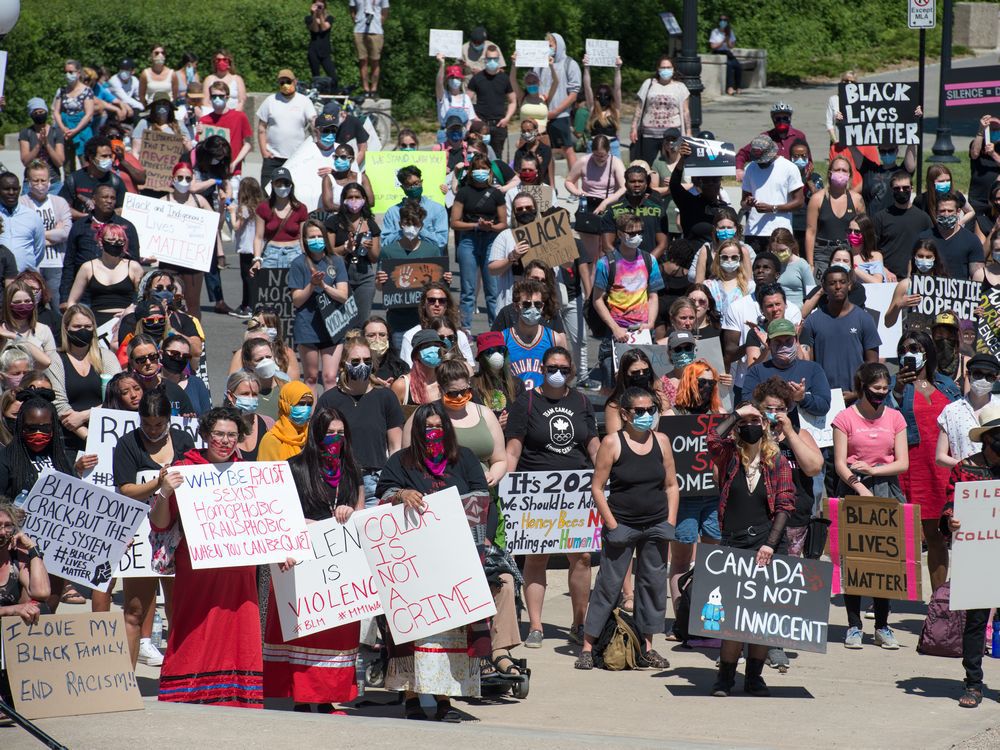
Heightening the visibility of Black oppression are the recent deaths of Ahmaud Arbery, George Floyd, Breonna Taylor among othersin America, and in Canada, Regis Korchinski-Paquet among others deaths, and the subsequent protests against police brutality (another contributing factor to the urgency to address Black people’s mental health.)
Repeated depiction of the death of George Floyd on videos and on the news media outlets, shows a lack of sensitivity, disproportionately devaluing Black bodies to be put on display. Once one has seen the video, one cannot “unsee”; it keeps on replaying. As Black people, we need room to breathe and do self-care, but we cannot move forward with constant bombardment. The constant barrage of negative images about the suffering of Black people by news media outlets and social media has been toxic.
The raw depiction of Black suffering for all to watch is traumatizing and dehumanizing. The cumulative effects of being exposed to anti-Black sentiments via news media channels and social media in the form of videos, headlines, photos of Black people and protests, can invoke different negative emotions inducing stress responses triggering mental health issues. That triggers pain, trauma and anger, opening deep wounds that we are trying to heal. This is racial trauma, and we feel it in our bodies every time we are triggered. The media needs to be sensitive to their role and pay close attention to how they portray Black people as a collective experience of pain.
The negative images displayed by news media platforms can be internalized by both non-Black people and Black people as true. We need to confront issues of marginalization of Black people in Canada and America and interrupt the status quo and engage in real problems. Unfortunately, currently, the only way Black people are “seen” is when portrayed as a statistic. If COVID-19 and the protests against police brutality do not provoke us to prioritize mental health among Black communities, then I wonder what will? Not addressing these issues is a social injustice issue.

Follow Canada News Media
Get the day's top Canadian stories and our two daily 60-second news videos wherever you scroll.
X Threads Facebook Instagram LinkedIn TikTok YouTube Pinterest Reddit Substack Flipboard Newsletter RSS