




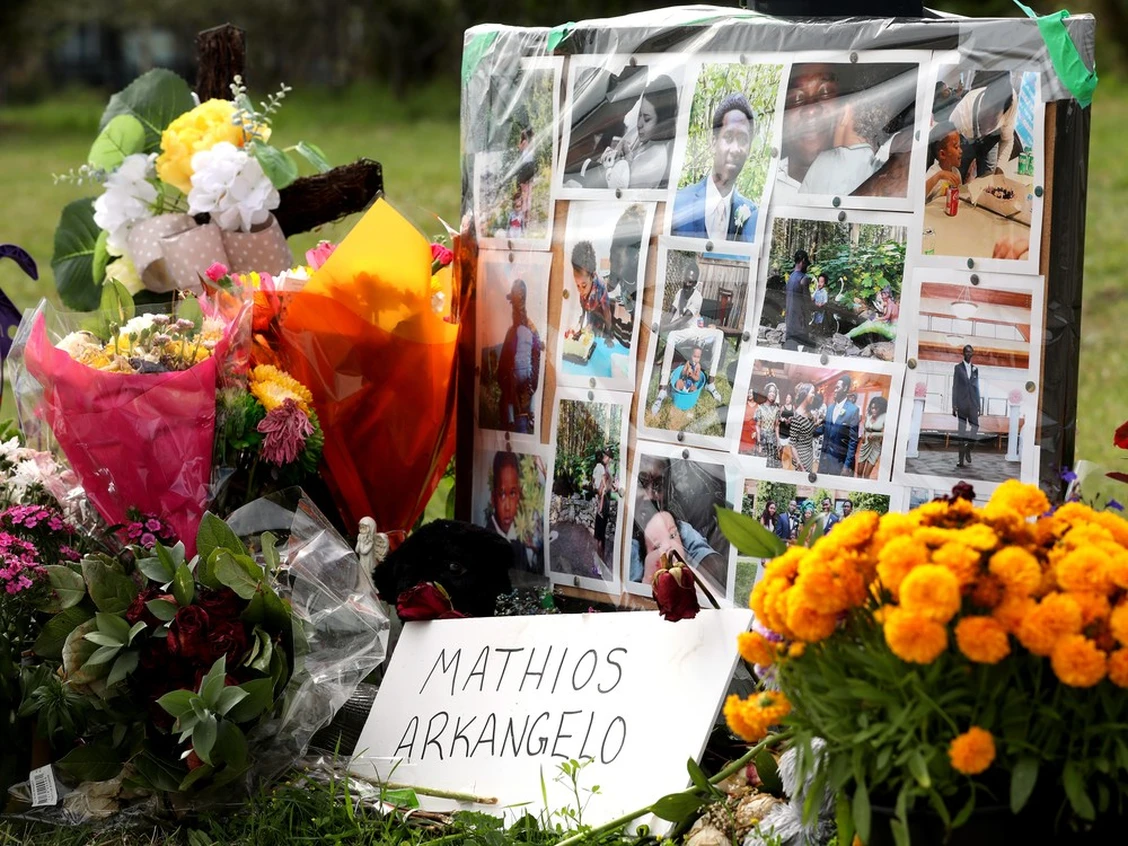
The shooting of Mathios Arkangelo, a Black Canadian, by Edmonton police has sparked significant controversy and raised questions about police conduct, systemic racism, and the use of force in Canada. This article delves into the incident, its aftermath, and the broader implications for the community and law enforcement.
On June 29, Edmonton police fatally shot Mathios (Matthew) Arkangelo, 28, in the northeast Edmonton neighbourhood. The details of the encounter remain contested, with police claiming that Arkangelo posed an imminent threat, which led to the use of lethal force.
Witnesses, however, offer a different account. Several individuals at the scene reported that Arkangelo was unarmed and did not appear to be posing a direct threat to the officers or anyone else in the vicinity. These conflicting narratives have fueled public outcry and demands for transparency and accountability. According to a news release by the police, officers responded to a rollover accident on Anthony Henday Drive and 153 Avenue around 9 p.m. involving an impaired driver who fled the scene on foot. However, ASIRT’s summary did not mention an impaired driver, leaving many details unclear.
In the immediate aftermath of the shooting, the Edmonton Police Service (EPS) issued a statement expressing regret over the loss of life and pledging a thorough investigation. The Alberta Serious Incident Response Team (ASIRT), an independent body responsible for investigating police actions that result in serious injury or death, was promptly called in to lead the investigation.
Community response was swift and vocal. Protests erupted across Edmonton, with demonstrators demanding justice for Arkangelo and calling for systemic changes to address racial biases within the police force. Social media was flooded with messages of support for Arkangelo’s family and friends, as well as calls for meaningful reforms to prevent similar incidents in the future. Arkangelo’s family, seeking clarity, released a video showing the events leading up to the shooting. They believe Mathios, shaken and dazed from the rollover, was trying to explain himself to the police when the confrontation occurred.
“I don’t want to be here. I want to fall down and follow Matt, but God wanted me to stay here to fight for Matt and to know why this happened,” Odo said. “Why? My son surrendered, his hands (were) up. Why did they have to start shooting him? I have fear now. I can’t sleep at night.”
The shooting of Mathios Arkangelo has brought to the forefront several critical issues:
- Systemic Racism: The incident has intensified discussions about systemic racism within Canadian law enforcement. Advocates argue that the disproportionate use of force against Black and Indigenous people is a manifestation of deeply ingrained biases that need to be addressed through comprehensive training, policy changes, and cultural shifts within police departments.
- Use of Force: The circumstances surrounding Arkangelo’s death have raised questions about the appropriateness of the use of lethal force by police officers. Critics argue that non-lethal alternatives should be prioritized, especially in situations where the threat level is unclear or unconfirmed.
- Transparency and Accountability: There is a growing demand for greater transparency in police operations and accountability for officers involved in shootings. The public is calling for the release of body camera footage, incident reports, and a clear timeline of events to ensure that the investigation is thorough and unbiased.
- Community-Police Relations: The incident has strained relations between the Edmonton police and the Black community. Building trust and fostering open communication are seen as essential steps in healing these rifts and ensuring that all community members feel safe and respected by law enforcement.
Dini Arkangelo, Mathios’s brother, shared that Mathios likely had a utility knife on him, which he used in his landscaping job. The family believes he was trying to show this to the officers when he was shot.
“He always had a legal, foldable pocket knife, and he’d use it to cut sod, and those types of things. He was just telling the officer, ‘This is all I got on me,’” Dini said. “I want the video to go out, and I want to show that he was no threat to anyone around here.”
The Arkangelo family expressed their frustration with the lack of communication from the Edmonton police and the delay in medical attention Mathios received after being shot.
“Whatever we do isn’t going to bring my brother back, but if we can use this and avoid this from happening to anyone else — because this is really painful. It’s confusing,” Dini said.
The investigation into Mathios Arkangelo’s death is ongoing, with ASIRT expected to release its findings in the coming months. Meanwhile, community leaders, activists, and policymakers are pushing for reforms aimed at addressing the root causes of police violence and ensuring that such tragedies do not recur.
In the wake of this incident, there is an urgent need for dialogue and action. The shooting of Mathios Arkangelo has highlighted the pressing need for systemic changes to ensure that all Canadians, regardless of race, are treated with dignity and respect by those sworn to protect them.
Follow Canada News Media
Get the day's top Canadian stories and our two daily 60-second news videos wherever you scroll.
X Threads Facebook Instagram LinkedIn TikTok YouTube Pinterest Reddit Substack Flipboard Newsletter RSS