

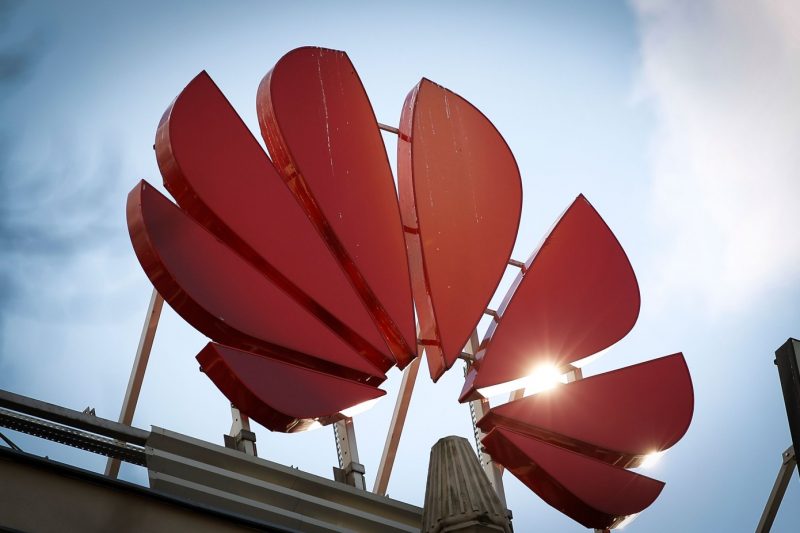
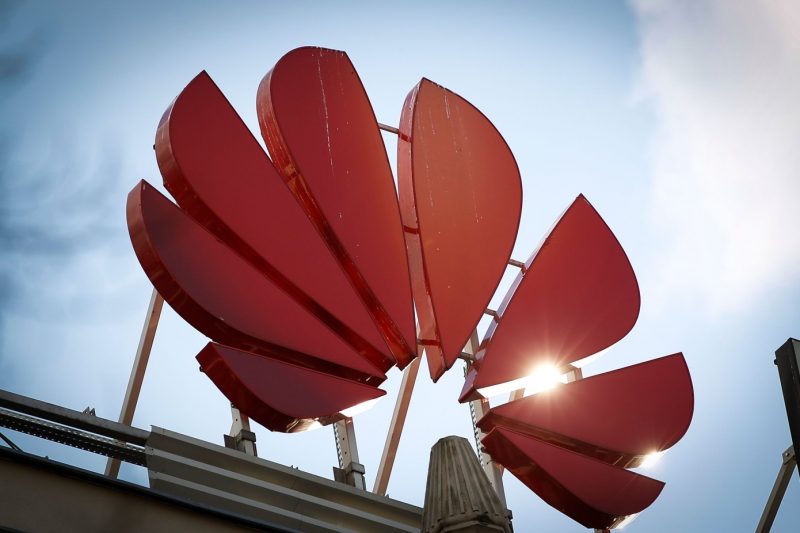
China’s top smartphone maker Huawei Technologies Co. Ltd. is hoping to throw off the shackles of the Android operating system with the launch of its own version of Google Mobile Services.
The replacement set of services, called Huawei Mobile Services, would allow the company’s smartphones to run their own versions of Google’s suite of services, which includes applications such as Gmail, Drive, YouTube, Maps and the Google Play Store.
In addition, Huawei has also started engaging with Indian developers, offering them lucrative incentives to build localized mobile services for its smartphones in the country.
In an interview with The Economic Times, Charles Peng, chief executive officer of Huawei and Honor India, said the company was in talks with the developers of the top 150 applications in India and was confident of ensuring their availability in its own app store by next year.
“We have our own HMS and are trying to build a mobile ecosystem,” Peng told the Times. “Most of the key apps such as navigation, payments, gaming and messaging will be ready by December end.”
Huawei is launching HMS after restrictions were imposed on its ability to do business with Google LLC and other American technology firms by the U.S. government. As a result, the company is unable to sell new phones that feature Google’s services.
The ban on doing business with Huawei was imposed in May, due to suspicions that the firm has close ties with the Chinese government and therefore represents a threat to U.S. national security.
“Consumers won’t see a difference between GMS and HMS,” Peng claimed.
As for developers, Huawei is offering incentives of up to $17,000 in order to integrate their applications with HMS. The hope is that if it can get enough developers onboard it will be able to offer a suite of applications that’s similar enough to what you’d normally find on an Android phone. Later, Huawei plans to launch similar initiatives in other countries too, Peng added.
“In every country, we will focus on bringing top 100-150 apps to customers through HMS,” Peng said. He added that the apps created by Indian developers would also be made available to users in Europe and other global markets.
Experts remain skeptical of Huawei’s plans however, and it’s not difficult to see why. The company still needs to come up with alternatives to apps like Gmail, Maps and YouTube, and then it needs to convince people to actually use them. That’s a tough ask – the amount of content on YouTube for example is unrivaled, while Gmail and Maps both come with dozens of important features not found in rival apps.
“It is going to be very tough for Huawei/Honor to sell the phone based on their own suite. They would need to double down on efforts for India,” said International Data Corp. analyst Navkender Singh.
Photo: Connection Japan/Flickr
Since you’re here …
Show your support for our mission by our 1-click subscribe to our YouTube Channel (below) — The more subscribers we have the more then YouTube’s algorithm promotes our content to users interested in #EnterpriseTech. Thank you.
Support Our Mission: >>>>>> SUBSCRIBE NOW >>>>>> to our Youtube Channel
… We’d like to tell you about our mission and how you can help us fulfill it. SiliconANGLE Media Inc.’s business model is based on the intrinsic value of the content, not advertising. Unlike many online publications, we don’t have a paywall or run banner advertising, because we want to keep our journalism open, without influence or the need to chase traffic.The journalism, reporting and commentary on SiliconANGLE — along with live, unscripted video from our Silicon Valley studio and globe-trotting video teams at theCUBE — take a lot of hard work, time and money. Keeping the quality high requires the support of sponsors who are aligned with our vision of ad-free journalism content.
If you like the reporting, video interviews and other ad-free content here, please take a moment to check out a sample of the video content supported by our sponsors, tweet your support, and keep coming back to SiliconANGLE.

Follow Canada News Media
Get the day's top Canadian stories and our two daily 60-second news videos wherever you scroll.