


Real estate investing is a great way to create long-term wealth, but it is also a complex endeavour with many legal considerations. Whether you are an experienced investor or just starting in the world of real estate investment, it’s important to understand the laws that govern how investments can be made and what rights investors have when buying or selling property in Singapore.
Therefore, this article will discuss six key laws that every real estate investor should know before making any investments in Singapore.
Real Estate and Housing Act (REHTA)
The Real Estate and Housing Act (REHTA) was implemented in 2002 and provides a framework for the development and sale of residential, commercial, industrial, and mixed-use properties in Singapore. The act also regulates matters such as home loans, auction sales, landlord-tenant relationships, and real estate transactions.
Additionally, the REHTA requires all real estate agencies to be licensed, outlines qualifications for agents and brokers, and specifies guidelines for property developers. So, if you’re looking for properties to invest in, this law will help ensure that you’re using reliable agency services and working with legitimate developers. And if you’re going to be a landlord, the REHTA will help you navigate the complexities of renting out property in Singapore.
Property Tax Act (PTA)
The Property Tax Act (PTA) is one of the most important laws for investors to familiarize themselves with before buying or selling real estate in Singapore. This law sets out the taxation rules for various types of properties, such as residential and commercial buildings, industrial land, and much more. It also covers matters related to stamp duty taxes, capital gains taxes, rental income taxes, and more.
To ensure you’re paying the right amount of taxes on a property or rental income, it’s important to understand how the PTA works so that you can make informed decisions when investing in real estate.
For instance, the PTA contains rules regarding when property owners are required to pay taxes, such as on the sale of a property, and also includes provisions relating to the taxation of rental income and capital gains tax on real estate investments.
Building Control Act (BCA)
The Building Control Act (BCA) outlines the rules and regulations for the design, construction, and maintenance of buildings in Singapore. This law covers matters such as the construction materials to be used, fire safety requirements, and structural integrity inspections.
Investors need to understand these regulations so that they can ensure that any buildings they purchase or rent out comply with BCA standards. Not only does this help keep tenants safe, but it can also help protect the value of your investment.
On the other hand, if the building you purchase or rent out does not meet BCA standards, you may be subject to fines and other penalties.
Land Acquisition Act (LAA)
The Land Acquisition Act (LAA) is a law that governs how land in Singapore can be acquired for development purposes. This law sets out specific rules for the acquisition of private land, including the amount of compensation that must be paid to landowners and other stakeholders
Investors need to understand this law before making any real estate investments, as it can help ensure that they are not taking on any unexpected risks or liabilities when investing in property.
Additionally, the LAA also stipulates that any public land being acquired must be used for public purposes and cannot be sold or leased for private gain.
Land Titles Registration Act (LTRA)
The Land Titles Registration Act (LTRA) is a law that requires all landowners in Singapore to register their land titles with the government and it ensures that land ownership is properly documented and protects the rights of property owners.
You should thoroughly check the title documents for any properties before investing in them so that you can be sure that all the necessary legal paperwork has been completed and that the property is legally owned by the seller.
Urban Redevelopment Authority of Singapore Act (URA)
Finally, the Urban Redevelopment Authority of Singapore Act (URA) sets out regulations for urban planning, development control, conservation, and land reclamation in Singapore. This law ensures that development projects adhere to certain standards and helps to protect the environment, as well as to promote sustainable urban growth in the city.
Ensuring that the project is compliant with these regulations and will not be subject to any penalties or fines is a must for any investor, as it can help protect the value of their property in the long run.
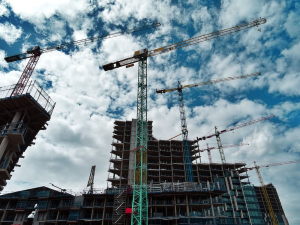
As you can see, investing in real estate in Singapore requires a thorough understanding of the laws and regulations governing property transactions. From taxation rules to building control standards, investors need to familiarize themselves with these laws before making any investments so that they can be sure their investments are secure and protected.
If you’re considering investing in real estate here, make sure you take the time to understand how each law applies to your particular situation so that your investment will be successful.
Follow Canada News Media
Get the day's top Canadian stories and our two daily 60-second news videos wherever you scroll.
X Threads Facebook Instagram LinkedIn TikTok YouTube Pinterest Reddit Substack Flipboard Newsletter RSS