


Loblaw Cos. Ltd. reported a 9.8-per-cent increase in profit in its first quarter and raised its quarterly dividend paid to shareholders by 15 per cent, as shoppers continue to visit its grocery stores more often.
The Brampton, Ont.-based company, which owns stores including Loblaws, No Frills, Real Canadian Superstore and Shoppers Drug Mart, reported net earnings available to common shareholders of $459-million or $1.47 per share in the first quarter ended March 23. That compared to net earnings of $418-million or $1.29 per share in the same period the year before.
The company hiked its quarterly dividend to 51.3 cents per share, from 44.6 cents per share.
Like other retailers, Loblaw has faced intense scrutiny over food inflation in Canada, but particular ire has been directed at Canada’s largest grocer, with some on social media calling for boycotts of Loblaw-owned stores recently.
The rate at which food prices are rising has slowed: In March, food inflation reached 1.9 per cent compared to the prior year, according to Statistics Canada. Consistent with previous quarters, Loblaw reported that its internal measures of inflation show that its prices remain below Statscan’s consumer price index for food purchased from stores.
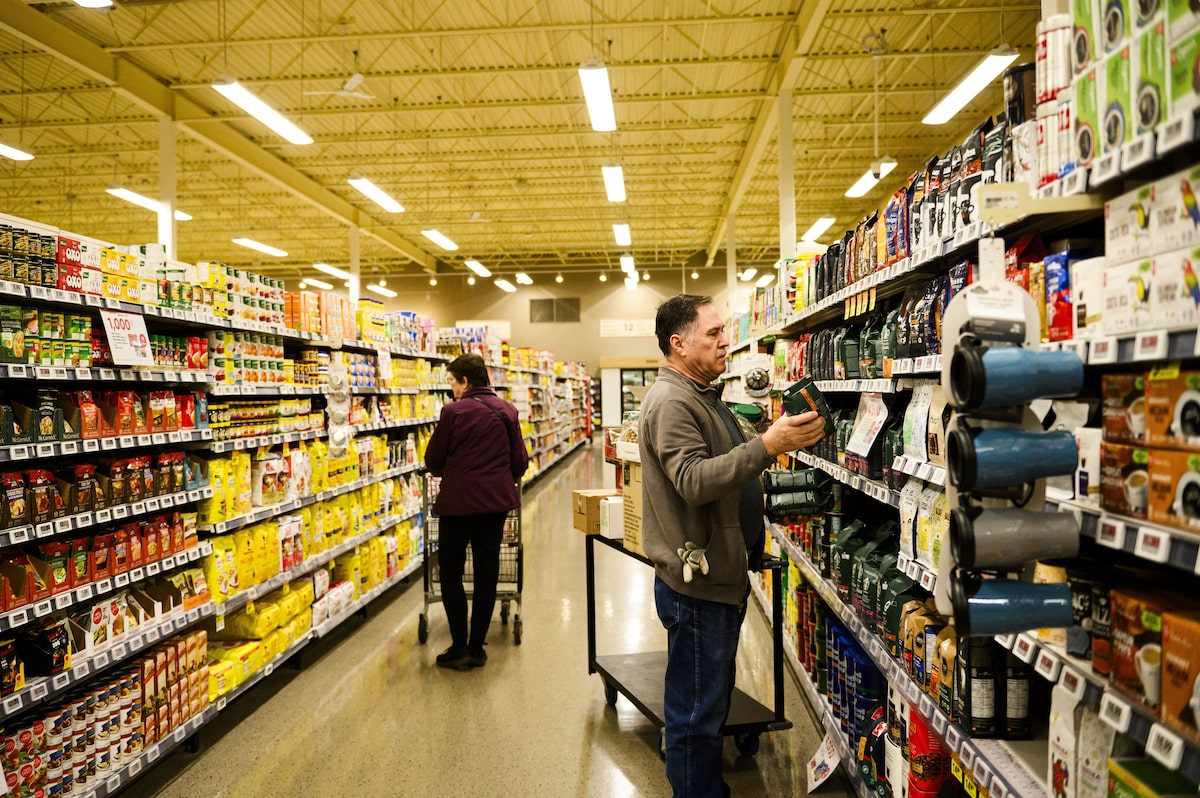
The company reported that traffic to its grocery stores is on the rise, though basket sizes are continuing to shrink as consumers remain discerning about their purchases and buy fewer items during each visit. Loblaw reported that it took market share away from grocery competitors during the quarter.
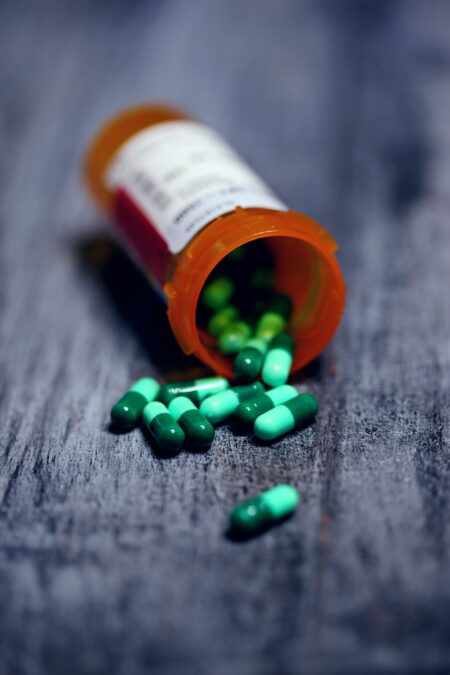
Same-store sales – an important metric that tracks sales growth not tied to new store openings – grew by 3.4 per cent in the quarter at Loblaw’s grocery stores, and 4 per cent at its drugstores including Shoppers Drug Mart. Strong drugstore sales were driven by beauty products and cough and cold remedies, as well as an increase in the number of prescriptions filled and the value of those prescriptions.
E-commerce sales grew by 16.1 per cent.
Loblaw’s gross profit margins increased, a change the company attributed to improvements in the mix of products sold at its drugstores, and lower “shrink” – an industry term that refers to product loss, such as through theft, or items that expire or are damaged before they can be sold.
Loblaw reported total revenue of $13.6-billion, up 4.5 per cent compared to the same period the prior year.