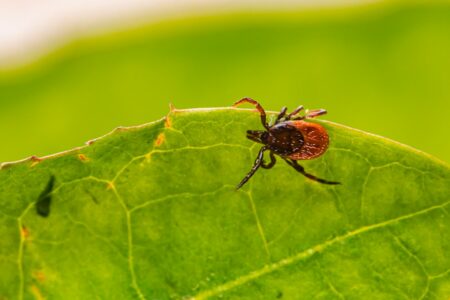


The number of local confirmed cases of Lyme disease has increased substantially since 2020.
The report indicates there were 27 human cases of Lyme disease, transmitted to humans by the bites of deer ticks infected with the Borrelia bacterium, identified within the Haldimand Norfolk Health Unit in 2022, compared to 26 in 2021, but up from seven in 2020.
Last year, the health unit identified, through active tick surveillance, Port Dover and Jarvis as new risk areas for Lyme disease in Haldimand-Norfolk.
Alexis Atkinson, program manager of the environment health team, said possible reasons for the fluctuation in numbers include more travel to risk areas as pandemic restrictions were lifted and climate change.
“Warmer temperatures are expected to increase the incidence of Lyme disease through increased tick maturation rates and a longer available season of transmission,” said the report.
There continue to be no local confirmed cases of West Nile Virus, typically spread by mosquitoes. The health unit tested eight mosquito traps bi-weekly from June to August last year. Four were set in different locations in Norfolk and another four in Haldimand County. No mosquito pools tested positive and no human cases of West Nile Virus were identified in 2022, 2021 or 2020.
Coun. Chris Van Paassen questioned the need for trapping.
“If we recognize that ticks are endemic to Haldimand-Norfolk and mosquitoes are endemic, why do we waste money trapping them and identifying them,” said Van Paassen. “Shouldn’t more of the resources be put into education?”
Atkinson said surveillance is used to determine trends so education about how people can protect themselves from disease can be targeted to areas with high tick populations.
Dr. Joyce Lock, acting medical officer of health for Haldimand-Norfolk, said determining where ticks are is important to the initial period of assessment for Lyme disease.
“Usually, these diseases show up six, eight, 12 months or two years after the initial bite. At that time, the test is required and is really reliable.”
Lock said the real risk of Lyme disease begins after a tick has been attached to a person for more than 72 hours, so it’s important people do a check right after they’ve been out in an area known to have a high tick population.