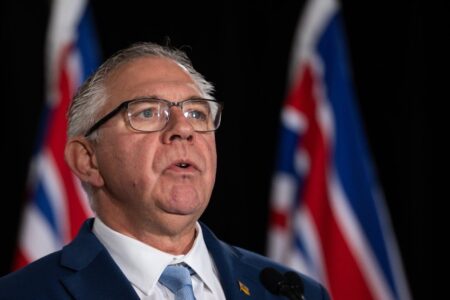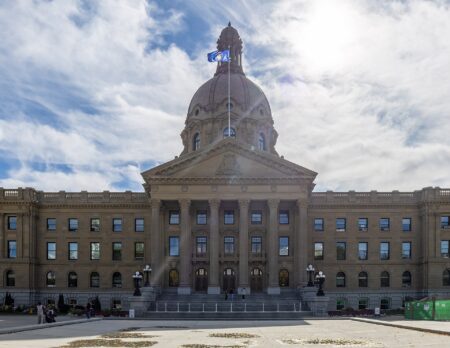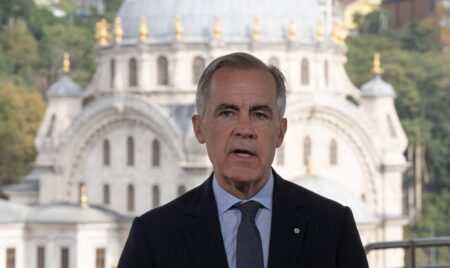






As Canada prepares for the next federal election, scheduled for late 2023, the political landscape is charged with a myriad of pressing issues that could sway voter sentiment and influence the outcome. While the Conservative and Liberal parties continue to dominate, the emergence of new voices and the ongoing challenges faced by Canadians have created a dynamic environment that warrants close attention.
Climate Change: A Central Contention
Climate change remains a priority for many Canadians, especially as extreme weather events increasingly disrupt lives and livelihoods across the country. The federal government’s commitment to reducing greenhouse gas emissions has come under scrutiny, with critics arguing that efforts have been insufficient.
According to a recent survey by the Environics Institute, over 80% of Canadians believe climate change is a crisis. In this election, voters are expected to scrutinize the parties’ policies on how to achieve net-zero emissions by 2050. The Liberals propose carbon pricing and investment in green technologies, while the Conservatives focus on economic stability and skepticism regarding aggressive climate policies that could impact jobs in traditional sectors.
Healthcare: Access and Affordability
The ongoing COVID-19 pandemic has exacerbated long-standing issues in Canada’s healthcare system. Voters are keenly aware of the need for improvements in healthcare access and affordability, particularly regarding mental health services and long-term care. The success of each party’s healthcare platform could be pivotal in securing votes.
The NDP has been vocal about enhancing public healthcare to include pharmacare, while the Liberals aim to increase funding for provinces and implement reforms that address healthcare disparities. As wait times continue to plague the system, candidates will need to clearly articulate how they plan to ensure that healthcare is comprehensive and accessible for all Canadians.
Indigenous Rights and Reconciliation
Addressing Indigenous issues and the reconciliation process has gained prominence as a key electoral topic. The discovery of unmarked graves at former residential school sites shocked the nation, rekindling conversations about the treatment of Indigenous peoples in Canada.
All major parties have pledged to uphold the Truth and Reconciliation Commission’s recommendations, but the effectiveness of their proposed solutions remains under scrutiny. Indigenous leaders are calling for substantive action rather than mere rhetoric, indicating that voter support in Indigenous communities will heavily depend on the sincerity and feasibility of commitments made by candidates.
Economic Recovery: Dealing with Inflation and Cost of Living
As Canada emerges from the economic turmoil caused by the pandemic, inflation rates have reached levels not seen in decades, impacting the cost of living for everyday Canadians. The Bank of Canada’s decision to raise interest rates has further fueled concerns over housing affordability and consumer purchasing power.
The Liberals emphasize targeted support for vulnerable populations and investments in job creation, while the Conservatives criticize the Liberal government’s handling of the economy, advocating for fiscal responsibility and tax relief. With rising grocery prices and housing costs dominating household budgets, voters are increasingly motivated to consider which party can provide the best economic plan moving forward.
Affordable Housing: A Burning Issue
Affordable housing is a pressing concern, particularly in metropolitan areas where skyrocketing prices have made home ownership a distant dream for many. The Liberal government has promised initiatives aimed at increasing housing supply, yet critics argue that current measures have not adequately addressed the crisis.
The NDP advocates for stronger rent controls and more public housing, while the Conservatives propose incentives for developers to build more homes. As young Canadians feel increasingly disenfranchised, the issue of housing affordability is likely to be a decisive factor in the upcoming election.
Electoral Integrity and Voter Engagement
The integrity of elections is on the minds of many Canadians, particularly in the wake of global events highlighting the importance of democratic processes. Issues surrounding voting accessibility, misinformation, and voter suppression are increasingly pertinent.
With groups advocating for more transparent voting systems and protection against misinformation campaigns, candidates will need to assure voters of their commitment to upholding democracy. Enhanced efforts in voter registration and engagement initiatives will also play a crucial role in mobilizing a diverse electorate, particularly among younger voters.
Conclusion: The Road Ahead
The upcoming federal election in Canada promises to be pivotal, not just because of the immediate issues at hand, but due to the long-term implications these decisions will have on the nation’s future. Voters will need to scrutinize each party’s policies and their willingness to tackle pressing issues collectively. From climate change and healthcare to economic stability and Indigenous reconciliation, the choices made in this election will undoubtedly shape the political landscape for years to come.
As election day approaches, the engagement of everyday Canadians in discourse surrounding these vital issues will play an essential role in determining the nation’s direction. In a time marked by uncertainty, clarity of vision and commitment to action will be the true measures of leadership in Canada.
Related Products
Follow Canada News Media
Get the day's top Canadian stories and our two daily 60-second news videos wherever you scroll.
X Threads Facebook Instagram LinkedIn TikTok YouTube Pinterest Reddit Substack Flipboard Newsletter RSS