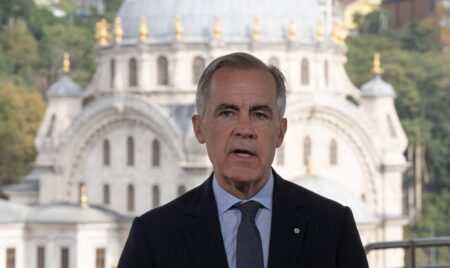






In an era marked by unprecedented volatility in global markets, the Bank of Canada (BoC) finds itself at a critical juncture. As the institution responsible for maintaining monetary stability and fostering economic growth, the BoC is actively adapting to evolving economic trends that extend far beyond its borders. From inflation to climate change, the challenges are multifaceted, and the bank is rethinking its strategies to better respond to these dynamic forces.
Understanding the Global Economic Landscape
In recent years, the global economic landscape has undergone significant transformation. A combination of geopolitical tensions, shifting trade policies, and the aftereffects of the COVID-19 pandemic has led to a surge in inflation, creating challenges for central banks worldwide. Canada is no exception; as households grapple with increasing living costs, the bank faces pressure to stabilize prices without stifling growth.
According to a 2022 report from the International Monetary Fund (IMF), “Global inflation is not just a transient phenomenon but a structural shift.” This assertion resonates deeply with the BoC, which has witnessed a surge in consumer prices, necessitating a departure from its historically low-interest rate policy. To combat inflation, the BoC has been raising interest rates in a bid to cool down an overheated economy.
Revisiting Monetary Policy
Monetary policy, traditionally a tool for managing inflation and supporting growth, is increasingly influenced by external factors. The BoC is adapting its approach by incorporating lessons learned from recent economic disruptions. “The challenge is to balance our objectives,” says Tiff Macklem, Governor of the Bank of Canada. “We must ensure our policy framework remains flexible and responsive to changing economic conditions both domestically and globally.”
The implementation of a “data-driven” framework has been central to this strategy. By leveraging real-time economic data and forecasts, the BoC aims to make informed decisions that reflect current conditions rather than relying solely on historical precedents. This approach allows the bank to adjust its policy in a timely manner, addressing inflationary pressures while still promoting growth.
Climate Change and Economic Resilience
Another factor influencing the BoC’s adaptation is the growing recognition of climate change as a critical economic risk. With the financial impacts of climate-related disasters becoming increasingly apparent, the bank is integrating climate considerations into its risk assessment models. Acknowledging that climate change poses a systemic risk to the financial system, the BoC published a discussion paper in 2021 outlining its commitment to addressing this challenge.
“Climate risks are financial risks,” says Carolyn A. Wilkins, a former Deputy Governor of the Bank of Canada. “Incorporating these risks into our frameworks is essential for ensuring long-term economic resilience.” The bank is exploring ways to engage with financial institutions to encourage the disclosure of climate-related financial information and investment in sustainable projects.
Digital Currency and Financial Innovation
The rise of cryptocurrencies and digital payment systems has also prompted the BoC to rethink its stance on digital currencies. The increasing popularity of electronic money has thrown traditional banking systems into question, urging the bank to consider issuing a Central Bank Digital Currency (CBDC). In 2022, the BoC initiated a public consultation on the potential for a digital loonie, examining implications for monetary policy and the financial system as a whole.
“We are committed to ensuring the Canadian dollar remains relevant in a rapidly changing world,” says Macklem. “A CBDC could offer consumers and businesses a safe and efficient means of digital payment while maintaining the stability of our financial system.” The consultations aim to gather insights from the public and industry experts, ensuring that the BoC’s approach aligns with the needs of Canadians.
Challenges Ahead
Despite these proactive measures, significant challenges remain. The dual pressures of domestic inflation and global economic volatility require careful navigation. The BoC must also tackle potential backlash from rising interest rates, which may exacerbate borrowing costs for Canadians.
“The path ahead is not without risks,” warns Andrew Chang, a policy analyst at the C.D. Howe Institute. “The Bank of Canada needs to strike a balance between curbing inflation and supporting economic growth, all while considering the long-term impacts of its decisions.”
Conclusion: A Forward-Looking Approach
As the Bank of Canada adapts to the complexities of the global economic landscape, its commitment to innovation and resilience is paramount. By revisiting its monetary policy framework, incorporating climate risk assessments, and exploring the potential of digital currencies, the BoC is positioning itself to navigate the uncertain waters ahead. The bank’s adaptability will not only be critical for sustaining the Canadian economy but will also serve as a model for central banks worldwide striving to meet the challenges of the 21st century.
Source: International Monetary Fund, Bank of Canada, C.D. Howe Institute
Related Products
Follow Canada News Media
Get the day's top Canadian stories and our two daily 60-second news videos wherever you scroll.
X Threads Facebook Instagram LinkedIn TikTok YouTube Pinterest Reddit Substack Flipboard Newsletter RSS