


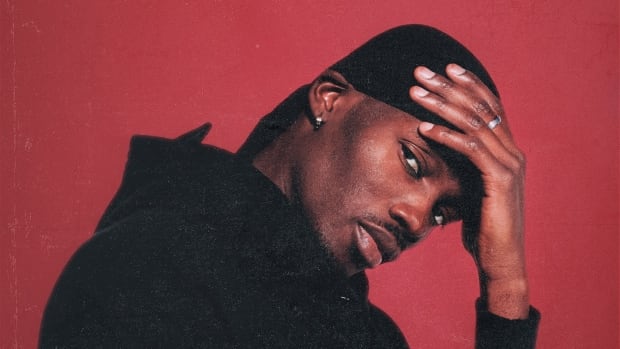
The euphoric pride resonating from the global success of Canadian recording artists like Drake, PartyNextDoor, the Weeknd, and others signifies a welcome shift in the appreciation of Canadian black music. However, delving into the archives reveals a history where the names of trailblazers who paved the way for these contemporary stars remain relatively unknown.
The CBC docuseries, “Black Life: Untold Stories,” specifically in its music episode “Northern Beats,” sheds light on the struggles faced by Canadian hip-hop pioneers such as Maestro Fresh Wes and Michie Mee in the 80s and 90s. These artists contended for recognition from major labels and mainstream radio, contributing significantly to the evolution of Canadian hip-hop.
In 1980, Variety magazine acknowledged the resilience of Canada’s Black music industry despite major labels’ reluctance. Initiatives like the Cheer Music Pool, formerly the West Indian DJ Pool, played a pivotal role. Founded in 1977, it promoted Canadian reggae, calypso, and funk records, boosting morale within the local Black industry and pushing record companies to actively market Black products.
The Toronto chapter of the Black Music Association, established in 1984, actively advocated for recognition. Their efforts contributed to the creation of new Juno Award categories for Black music, with the reggae/calypso category emerging in 1985. Despite these wins, mainstream support remained elusive.
While mainstream radio hesitated, community radio shows like the Radio Dubplate Show and ReggaeMania provided crucial infrastructure for Black music to thrive. The lack of commercial radio support for Black club music persisted until 2000 when Milestone Radio Inc. secured radio spectrum, launching the first commercial radio station focusing on Black communities in Toronto.
Despite the landmark achievements and milestones, the road to mainstream recognition remained arduous. The refusal of mainstream radio to fully support and promote Black music persisted, leading artists to collaborate on tracks like Dance Appeal’s “Can’t Repress the Cause” in advocating for a dedicated mainstream radio station.
The year 2023 marks the 50th anniversary of hip-hop music, garnering more positive media attention than ever before. However, the leaders who paved the way for this success often remain hidden in undigitized histories. Despite this, various groups and individuals continue to excavate and analyze Black music in Canada, ensuring its legacy is preserved and celebrated.
Recent initiatives like the exhibition “Rewind/Forward” by Alanna Stuart, exhibitions on Reggae in Toronto by Klive Walker and Nicholas Jennings, and DJ Gramera’s film on Stranger Cole demonstrate the ongoing efforts to uncover and celebrate the rich history of Black music in Canada.
As the global spotlight increasingly turns toward Canadian black music, it’s crucial to acknowledge the leaders, organizations, and grassroots movements that have tirelessly worked to ensure its existence, thriving, and survival. Beyond the mainstream narrative, the soft infrastructure provided by entities like the Canadian Reggae Music Awards, Afrofest, and the Urban Music Association of Canada continues to play a pivotal role in nurturing a vibrant Black music scene across the country. The journey is ongoing, with these entities and individuals stitching together the cultural fabric torn by anti-Blackness and corporate reluctance to invest in the richness of Black music.