

Anna Nemtsova is a Daily Beast correspondent and a contributing writer for the Atlantic.
Since Russia launched its full-scale invasion in February of last year, Ukrainians have buried their political disputes in the name of national unity. But some are starting to believe that the tacit ban on discussion of controversial topics has outlived its usefulness.
After all, Ukraine is fighting this war to maintain not only its statehood but also its democracy. And surely the freedom to ask uncomfortable questions of those in power is one of the core components of any democracy worthy of the name.
On July 21, former Ukrainian president Petro Poroshenko made a public announcement strikingly reminiscent of the start of an election campaign. Standing against a backdrop of military trucks and drones, he drew attention to legislation he had proposed in 2021 that called for funding to prepare, in case of war, for the destruction of the Chonhar bridge — a crucial communications link between mainland Ukraine and the Russian-occupied Crimean Peninsula. The bill never made it through parliament. “We paid a very high price for being ignored,” he declared.
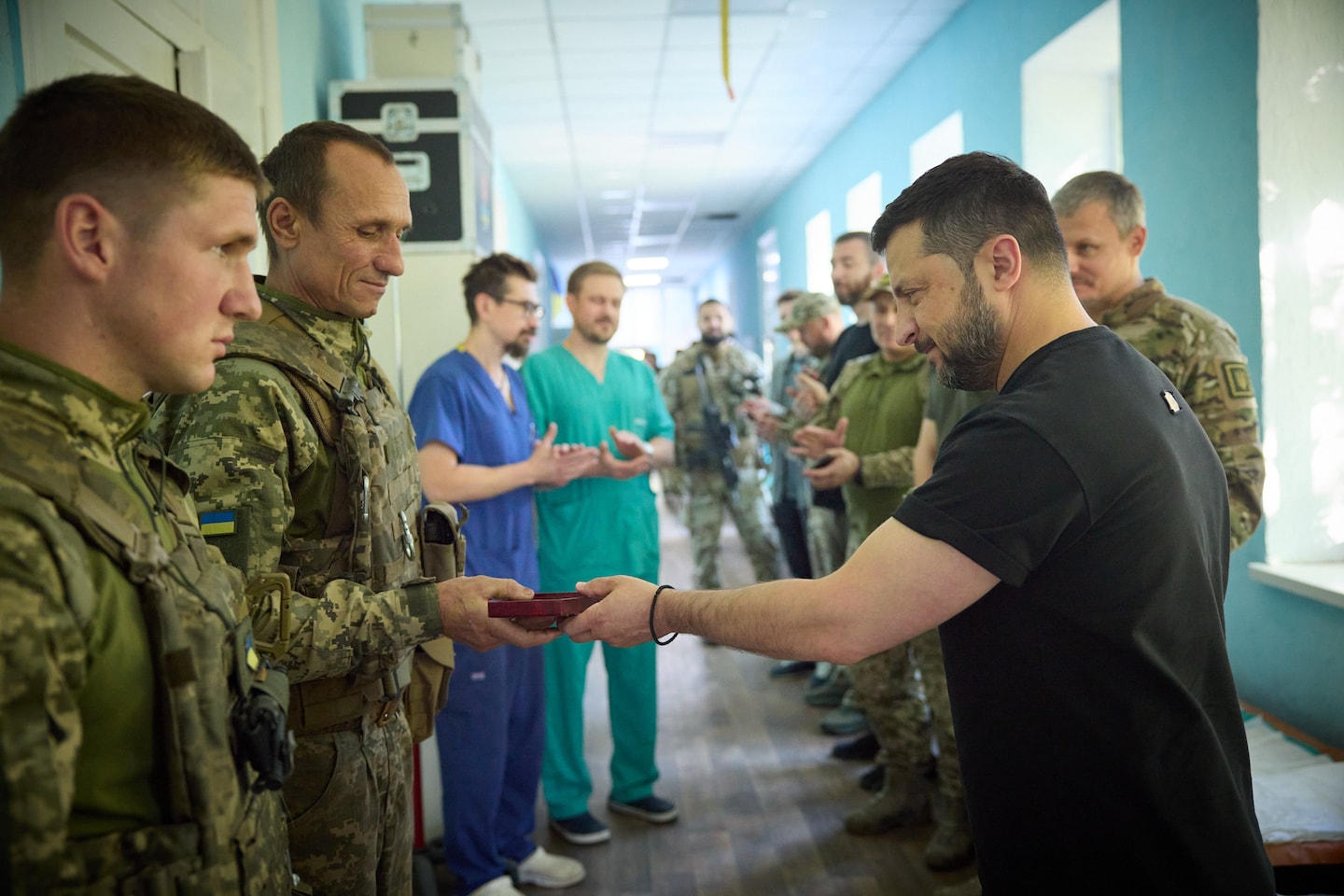
Poroshenko’s statement was a swipe at his longtime rival Volodymyr Zelensky, who still enjoys sky-high approval ratings as president thanks to his strong wartime leadership. Ukrainians have generally accepted that the war necessitated restrictions to the country’s democratic institutions. Martial law, which was declared immediately after the Russian invasion, has constrained free speech and civil liberties. Yet now Poroshenko is testing those limits.
At the heart of the issue is the government’s potential responsibility for a disastrous strategic failure. In the opening days of the invasion, the Russian army quickly occupied a large chunk of the southern Ukrainian region of Kherson. They did it by rolling across the Chonhar bridge — which the Ukrainian army was supposed to have destroyed but did not.
Why it failed to do so continues to bedevil Ukraine’s politicians, military and journalists — not to mention a team of government investigators that has been working the case ever since.
Late last year, the head of Ukraine’s domestic security service, the SBU, confirmed the existence of an investigation but declined to comment on its progress — and there has been silence ever since. Some leading analysts and politicians, including former Zelensky adviser Oleksiy Arestovych, believe that the Ukrainian Supreme Court — whose head was arrested in a massive bribery scandal in May — should rule that the results of the investigation must be kept secret for national security reasons.
That will be a tough sell with Ukraine’s vibrant civil society. Today Kyiv is waging a bloody counteroffensive against superior enemy forces to recapture the very same territory it lost after the Russians crossed the Chonhar Strait, and casualties are mounting. So questions about the case persist — and not least because of institutional rivalries that might shape the country’s political future.
Was the failure to blow up the Chonhar bridge the fault of the SBU, which was run at the time by a man who was a childhood friend of Zelensky? (He has since been fired.) Or was it a case of pure negligence, the fault of the military, headed then and now by Gen. Valery Zaluzhny?
Zaluzhny, who is immensely popular and has no ties to any political party, is widely seen as Zelensky’s most serious rival. In June, a Ukrainian news agency reported that the general “has not made up his mind” about whether he will enter politics. The country treated Zaluzhny’s 50th birthday last month as an occasion to celebrate a national hero. Ukrainian journalist Oleksandr Martynenko described Zelensky and Zaluzhny to me as “two charismatic, emotional and extremely popular leaders,” and noted that the current president is rumored to view the general as a competitor.
The declaration of martial law suspended elections. But a presidential poll is scheduled for next March (assuming that the war is over by then).
In the meantime, the mystery around the failure to blow up the bridge just won’t go away. Last month, a leading newspaper interviewed Ivan Sestryvatovsky, a 48-year-old marine whose job was to blow up the Chonhar bridge as the invasion began and who’s convinced the operation was sabotaged. He claimed that the bridge was mined at least a week and a half before the invasion — but nothing happened when he pressed the detonator. Arestovych pins the blame for the failure on betrayal by an SBU officer, allegedly turned by the Russians, who was arrested in March. “It’s a painful and politicized subject,” Arestovych told me recently. He doesn’t think the results of the investigation should be released as long as the war is going on.
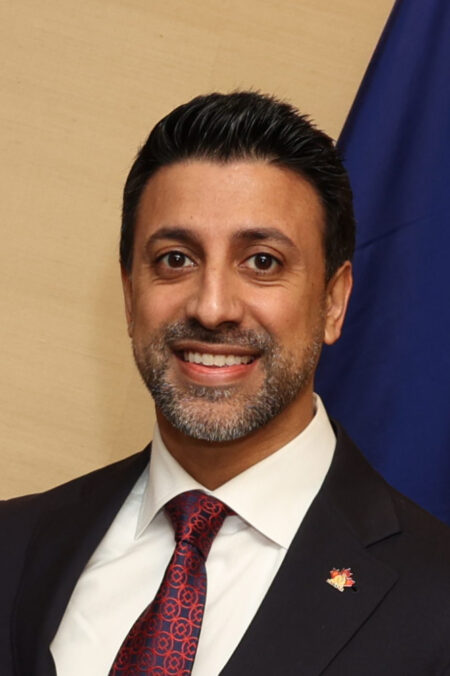
But lawyer Masi Nayyem, who lost an eye to a Russian mine during his service as an officer in the army, doesn’t agree. “Our civil society is in charge of our democracy,” Nayyem said. “Not the army, not the presidential administration. Civil society needs to know the truth.” He acknowledged that Poroshenko and other members of the opposition might be trying to exploit the issue for political gain. Even so, he said, investigating possible treason (and fighting corruption) must continue despite the war. “We have to prevent future mistakes,” he said, even if the process is painful.
And that is the deeper story here, and in its way it is a positive one. Every government is subject to error, incompetence, even betrayal. The real question is whether a system allows for scrutiny and accountability. Ukraine’s culture of democratic resilience is precisely what makes it radically different from Russia — and that should include scrutinizing the failures of officialdom.
In Russia, critical voices and unpleasant questions are ruthlessly suppressed. Ukraine should show that it can do better — even during war.