



Article content continued
Considering a lack of generation, transmission, and storage capacity for inexpensive renewables (which do not have added fuel costs) Alberta requires a great deal of “residual” electricity generation from fossil fuels.
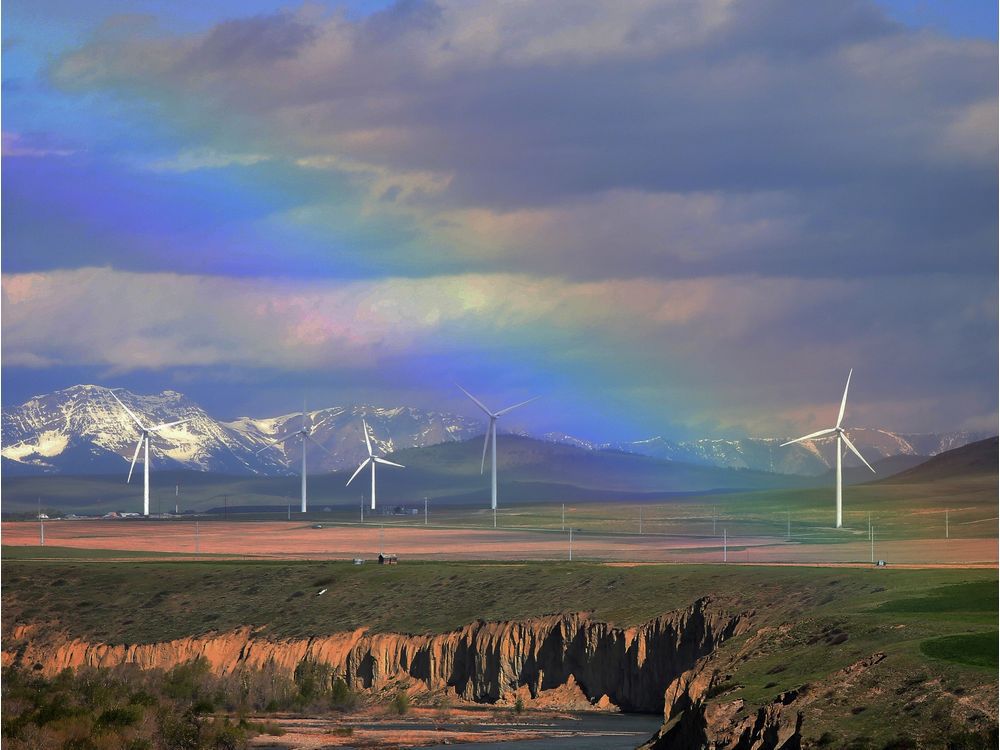
In 2016, the provincial government in Alberta launched its Renewable Energy Program, aiming to increase renewables to 30 per cent by 2030. Between 2017-2018, successful projects were launched across southern Alberta, increasing renewable generating capacity by 1,350 MW in under three years. When the UCP government announced in June 2019 that the funding would not be renewed, they encouraged AESO to work with the department of Energy “to ensure market-driven renewable power, without the need for a costly direct subsidy.”
However, attitudes toward stimulus spending and government intervention are changing in Alberta, as part of the new pandemic reality. The provincial government has funded pipelines and distributed federal funding to assist in orphan well and methane remediation. Why not revisit renewable energy investments, to promote a healthy economy-wide recovery in Alberta?
A shift away from fossil-fuel generation will be essential to meet Canadian climate-change targets of greenhouse gas emissions reductions of 30 per cent below 2005 levels by 2030. According to the Healthy Recovery Report, meeting these targets will save some 112,000 lives between 2030 and 2050 due to air quality improvements alone — approximately the population of Red Deer. Addressing pandemic unemployment, pivoting toward renewable energy could increase Canadian clean jobs from 210,000 positions in 2020 to 1.5 million in 2050.