


The Perseid meteor shower of 2020 is ready to peak. August’s beauty is added more with the meteor shower making the sky more beautiful. The month of August will be having its Perseid meteor shower of this year on Tuesday. Read out the blog post to know about the Perseid meteor shower and how you can see it!!!
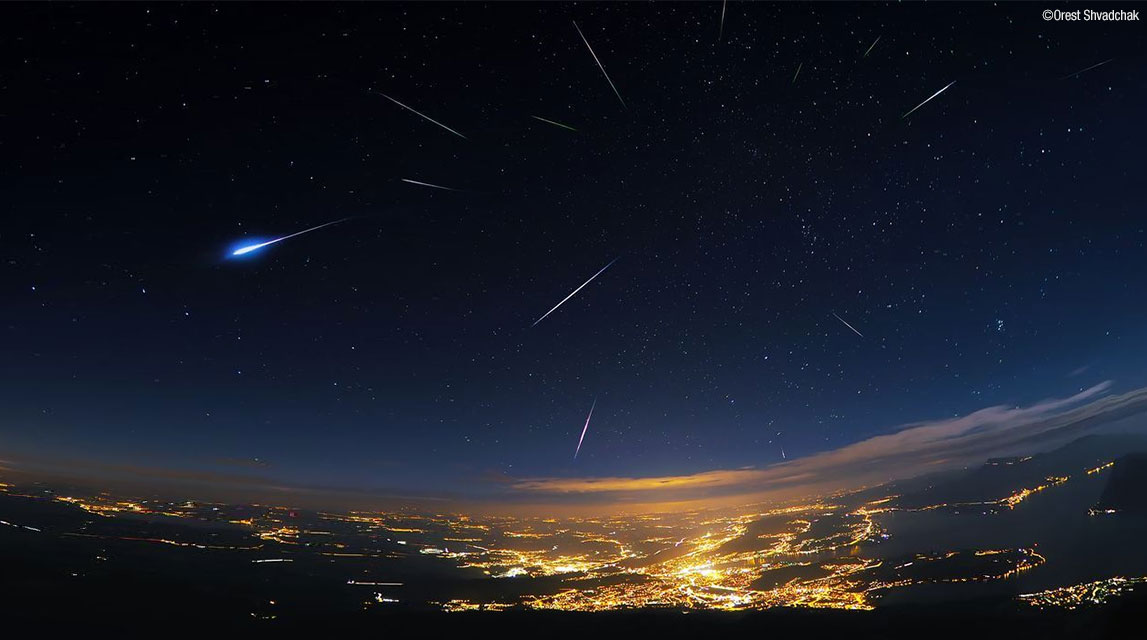

The Perseid meteor shower: What is it???
This meteor shower is a prolific meteor shower. The Perseid meteor shower is associated with the Swift-Tuttle meteor. The meteor shower is annually formed by the debris left by the giant comet Swift-Tuttle meteor that appeared last in 1992 and is expected to be observed next in the year 2126.
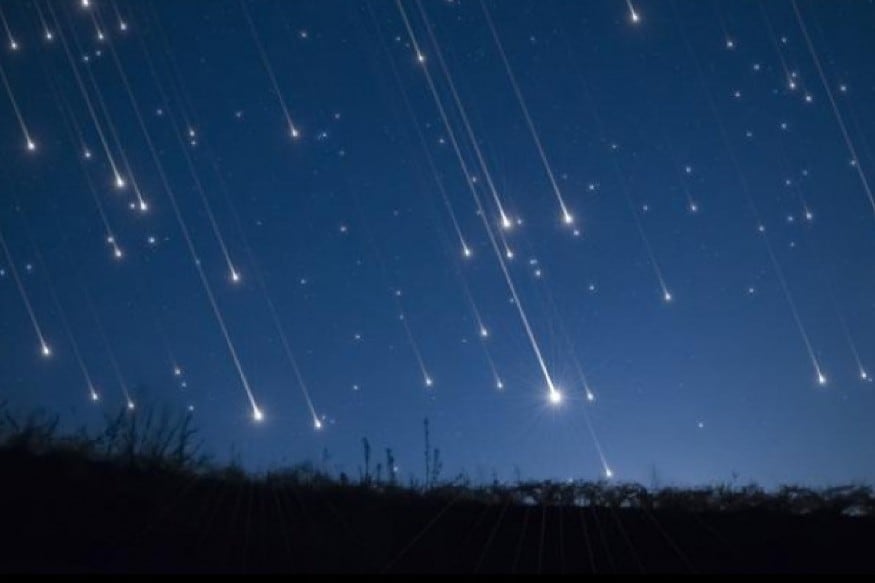
This meteor shower is considered to be one of the best meteor showers that earth observes on an annual basis. It is very fascinated and highly attractive especially because of its high rates and its timing during pleasant late-summers. This meteor shower is one of the strongest ones because it makes it visible to see an average of 100 meters in an hour.
When are we observing the Perseid meteor shower 2020???
The Perseid meteor shower is ready to peak this week of August. Reports say that the meteor shower will be encountered on 11 and 12 August this year when the moon will be a little less than its full shape.
It would be worth it for you to go out and watch nature’s firecrackers in the sky.
Can we see it in India???
Yes, you can see the meteor shower in India. The meteor shower will be on its peak on 11 August but it will also be visible on 12 August. The meteor shower will be at high rates around 2 a.m. in late night. It would be visible in India for two days.
How to watch it???
Now the question here is whether you need special equipment to observe the meteor shower then you are wrong. You can see it without any special observing equipment. You can lay down on the ground and watch it on a clear sky.
In case you miss watching it by yourself, NASA will be making it live for you to see it on the NASA Meteor Watch Facebook, LIVE. The LIVE show would start on 11 August around 8 p.m. CDT and will be continued till the sun rises on 12 August.

Follow Canada News Media
Get the day's top Canadian stories and our two daily 60-second news videos wherever you scroll.
X Threads Facebook Instagram LinkedIn TikTok YouTube Pinterest Reddit Substack Flipboard Newsletter RSS