

/arc-anglerfish-tgam-prod-tgam.s3.amazonaws.com/public/45JCYVHGKFHTPLGAPTBZS7N33M.jpg)
Hello,
The federal government continues to roll out new measures that it hopes will help contain the outbreak of the novel coronavirus as much as is possible.
Earlier today, Prime Minister Justin Trudeau signalled that changes to Employment Insurance would be part of the economic stimulus the government is planning.
Major parts of that stimulus will be unveiled on Wednesday. Mr. Trudeau said Parliament may need to be recalled briefly to pass some of the measures.
The Liberals also said they are looking into whether the Emergencies Act could have more powers that they will need to use to manage the crisis – though said that would be a “last resort.”
This is the daily Politics Briefing newsletter, written by Chris Hannay. It is available exclusively to our digital subscribers. If you’re reading this on the web, subscribers can sign up for the Politics newsletter and more than 20 others on our newsletter signup page. Have any feedback? Let us know what you think.
TODAY’S HEADLINES
There’s not much out there that’s not about the effects of COVID-19. For a full rundown, you can subscribe to our Coronavirus Update newsletter (sign up here). Here are a few stories that touch on the political and governmental response.
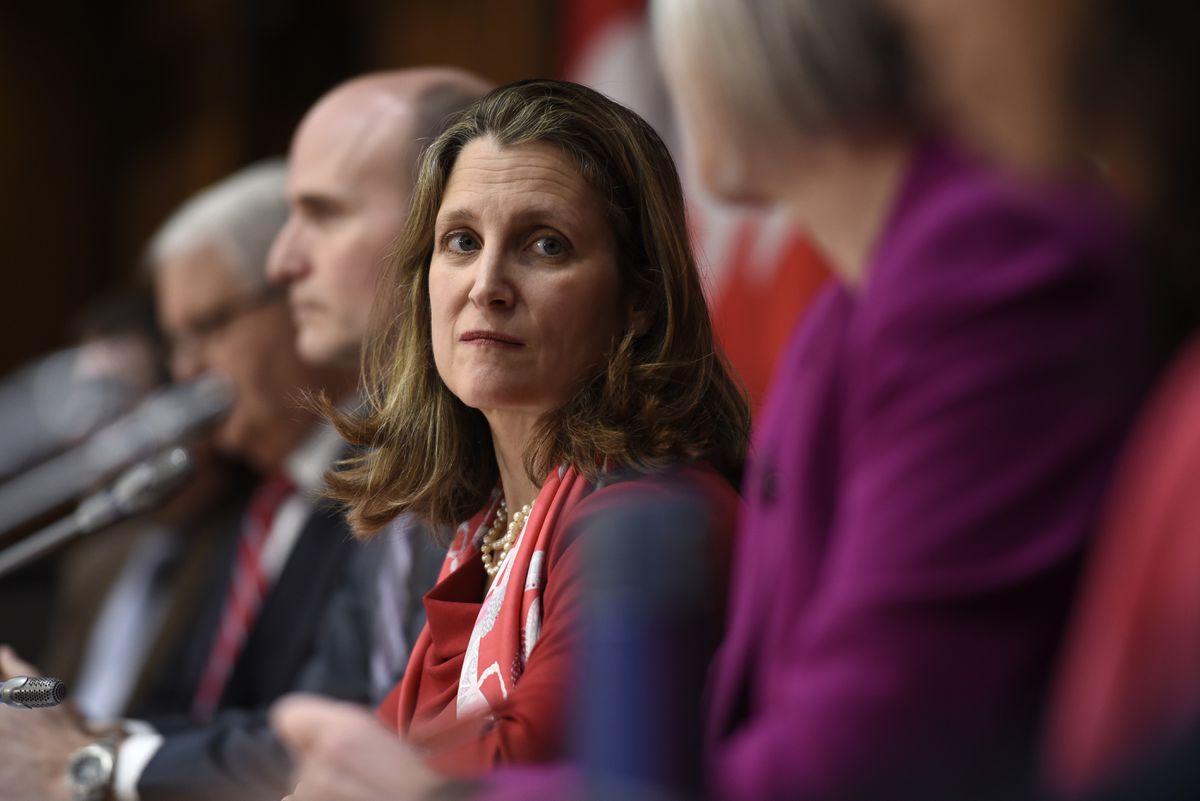
If anything happens to Mr. Trudeau, it would be Deputy Prime Minister Chrystia Freeland who would be in charge, according to a new cabinet order.
The same day as Mr. Trudeau said Canada’s borders would remain open to Americans, U.S. President Donald Trump said they would keep the border open on their side, too.
Ontario has declared a state of emergency and ordered many establishments to close, including bars and recreational facilities. The province also declared its first death due to COVID-19, a 77-year-old who died at a Barrie hospital.
Ontario and British Columbia are both limiting their testing to health-care workers and high-risk cases, raising questions about just how many people in the country have contracted the virus.
Many federal employees are being put on paid leave because their bosses don’t want them in the office and telework options aren’t available.
Scientists say we need to be prepared for the current crisis to last months.
And retailers say they have plenty of groceries and other supplies for Canadians, if some customers would just cut down on the hoarding.
John Ibbitson (The Globe and Mail) on the task before the government and us: “Each day brings new restrictions, though different jurisdictions are moving at different speeds – Quebec forcing more closings than Ontario, for example – in an effort to limit the spread of the virus. But ultimately it will be up to each of us to beat this thing. For some, it will be much easier than for others.”
Justin Ling (The Globe and Mail) on the danger in prisons: “Infectious diseases are already prevalent. Almost a third of all prison inmates have hepatitis C. About 5 per cent are HIV-positive. Recent estimates say 15 per cent have tuberculosis. A highly infectious virus like the one that causes COVID-19 could spread incredibly fast.”
Colleen Flood and Bryan Thomas (The Globe and Mail) on the federal government’s quarantine powers: “The federal act is designed primarily for controlling disease at the national border. Although it could be interpreted as providing authority for imposing quarantine measures within Canada, it would be a stretch to interpret this as providing authority for imposing a cordon sanitaire. In this way, the legislation respects provincial jurisdiction over local health matters. It does, however, provide broad powers to screen returning travellers and to direct them to take all ‘reasonable measures’ (including self-quarantine for 14 days) with fines of up to $20,000 or imprisonment for up to six months.”
Got a news tip that you’d like us to look into? E-mail us at [email protected]. Need to share documents securely? Reach out via SecureDrop