


Nova Scotia Health advises of potential COVID-19 exposures on two Toronto to Halifax flights.
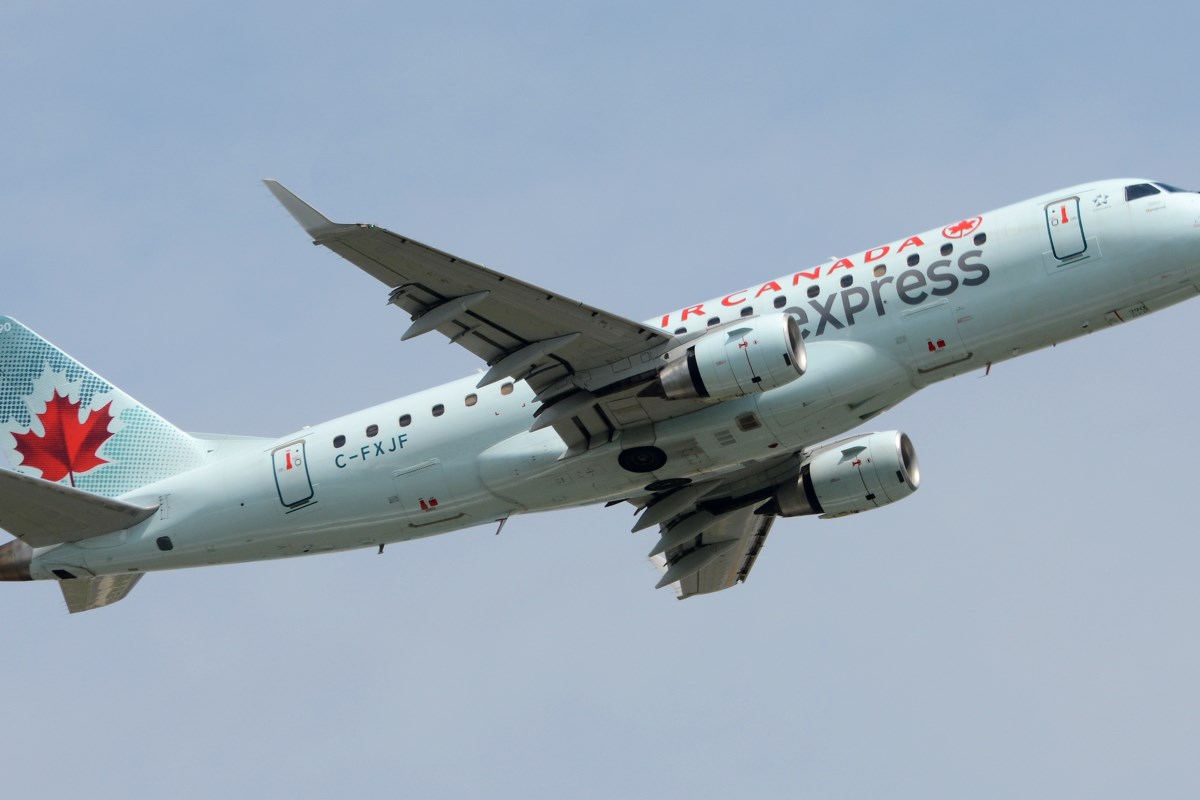
The following flights, which were Air Canada, flew on Oct. 12.
- Flight 610: Departed Toronto at 2:10 p.m. Passengers in rows 10, 11, 12, 13, 14, 15 and 16 in seats D, E and F are more likely to have had close contact.
- Flight 604: Departed Toronto at 8 a.m. Passengers in rows 27, 28, 29 and 30 in seats A, B and C are more likely to have had close contact.
Nova Scotia Health asks passengers in these seats on these flights to continue self-isolating as required, monitor for symptoms and call 811 for advice.
It says anyone on these flights could develop symptoms up to and including Oct. 26. Until then, passengers on these flights but not in the specified seats should still self-isolate as required and monitor for symptoms of COVID-19.
COVID-19 symptoms include:
Fever (i.e. chills/sweats) or cough (new or worsening)
OR
Two or more of the following symptoms (new or worsening):
- Sore throat
- Runny nose/nasal congestion
- Headache
- Shortness of breath
Passengers not in the affected rows but on one of the flights who are experiencing any of the above COVID-19 symptoms should call 811 for assessment. They should also self-isolate until receiving advice from 811 on next steps. Passengers must not go directly to a COVID-19 assessment centre unless directed by 811.
When Nova Scotia Health Public Health makes a public notification it is not in any way a reflection on the behavior or activities of those named in the notification.
Currently, anyone travelling to Nova Scotia from outside of the Atlantic provinces is required to self-isolate for 14 days after arrival.
All Nova Scotians are advised to continue monitoring for COVID-19 symptoms and are urged to follow Public Health guidelines on how to access care. Up to date information about COVID-19 is available at novascotia.ca/coronavirus.

Follow Canada News Media
Get the day's top Canadian stories and our two daily 60-second news videos wherever you scroll.
X Threads Facebook Instagram LinkedIn TikTok YouTube Pinterest Reddit Substack Flipboard Newsletter RSS