



Article content continued
The risk for the individual investor is the unknown — will it succeed? Are you willing to have your money sit idle for more than two years, missing opportunities and having it returned to you (minus fees, of course)? Historically, this sort of trend usually indicates a market top.
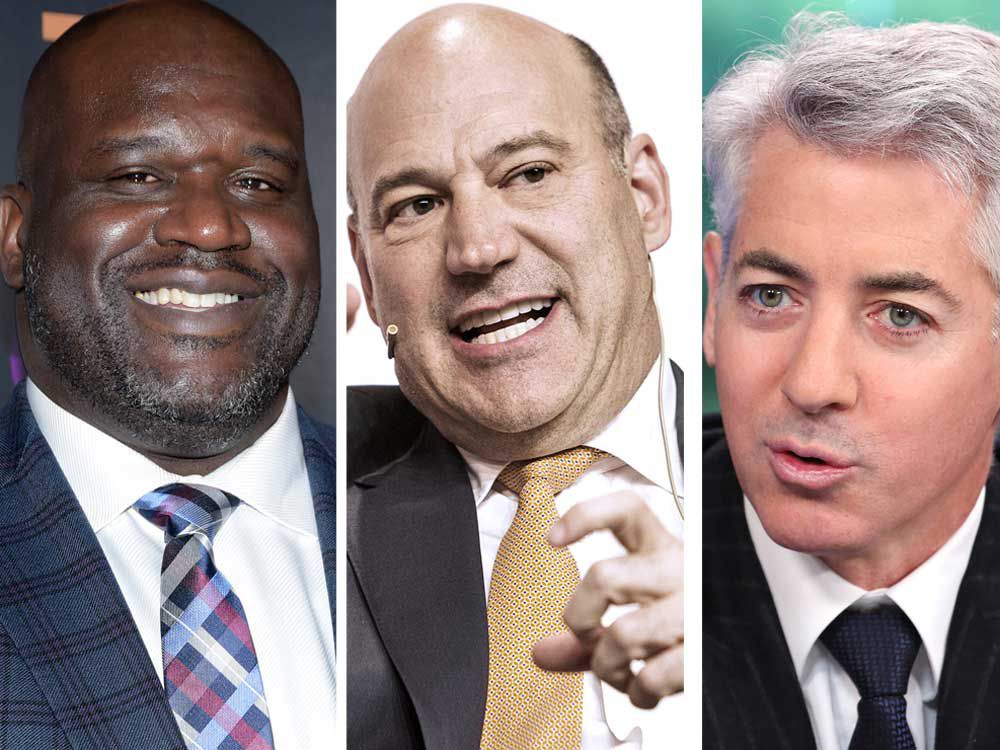
Many well-known financial personalities, including Bill Ackman of the hedge fund Pershing Square Capital Management and Gary Cohn, the former Goldman Sachs president and economic adviser to U.S. President Donald Trump, have sponsored these vehicles.
What’s disconcerting is that celebrities and pro athletes have hopped on the bandwagon, too, among them Billy Bean, the Oakland A’s executive of Moneyball fame, basketball great Shaquille O’Neal and former house speaker Paul Ryan. Their involvement in an endeavour largely outside their areas of expertise should prompt potential investors to ask: Would I take investment advice from this person?
Not all SPACs are created equal, but like any investment, know what you are buying.Ackman, for one, has foregone the 20 per cent deeply discounted equity stake or the so-called “promote.” He purchased shares at the SPAC IPO price and holds warrants — which typically cause massive dilution when a merger is done — that do not vest for three years and can only be exercised after the merged entity appreciates by 20 per cent.
Ackman claims that the structure of his SPAC better aligns the interests of sponsors and investors and we have no reason to doubt him. But even if you dig through the minutiae of the prospectus to verify these claims, you are essentially betting on the reputation of the sponsor to consummate a merger. By investing in a SPAC, you are taking it on faith that a deal will get done based on the sponsor’s track record. That’s all you have to go on.