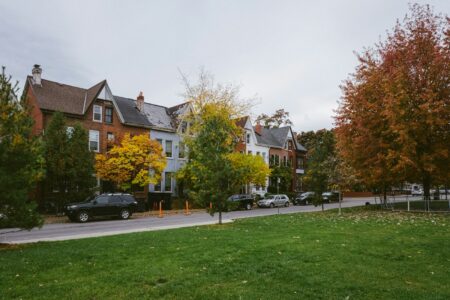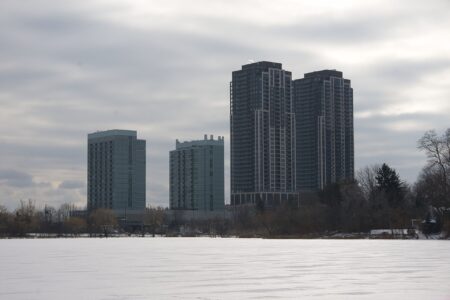




The Bank of Canada (BoC) head recently dismissed the need to cool real estate prices. Governor Tiff Macklem seems like he doesn’t want to say anything controversial… or he’s one of those people that thinks real estate prices only go up. That wasn’t the case back in 2013 when he served in the central bank’s number two role.
During his tenure as deputy governor, he warned about Canada’s addiction to real estate. In a 2013 speech, Macklem ripped on everything from overvaluation to GDP concentration. So what changed? Did things improve, or has ignored the problem for almost a decade produced a situation too fragile to touch? Has everyone in charge just decided they don’t want to be the pin that pops the bubble? Let’s dive into his concerns back then, and how those indicators look today.
Canadian Real Estate has Shown Signs of Overvaluation
In his former role, Governor Macklem felt home prices were overvalued. “Over the past decade, the price of the average home has risen from 3.5 times disposable income to more than 5 times.” Adding, “Housing activity in Canada is at a near-record share of GDP, and there are indications of overbuilding and overvaluation in some segments of the housing market.”
Let’s quickly unpack how those indicators look today. The average home price was a concern to him at 5x disposable income in 2013. Today that number is over 15x, and that’s just at the national level. In Toronto and Vancouver, it’s much higher. Somehow, tripling a level of “overvaluation” is just a slight sign of overheating.
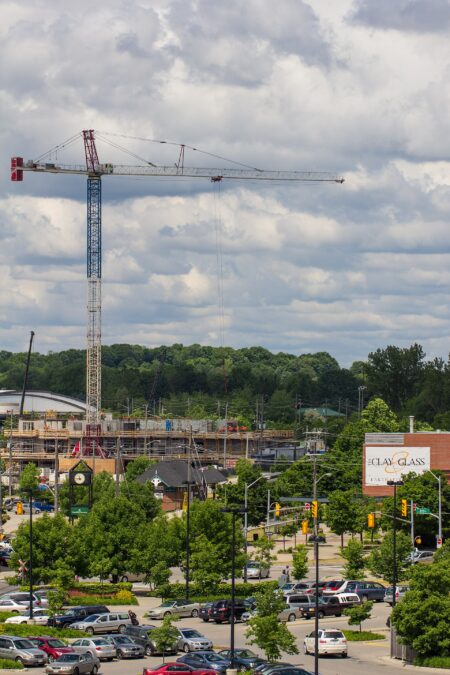
In 2013, it was concerning to approach a record high. Today it’s “good for the economy” that it smashed the record? Canada’s residential investment as a share of GDP is now so high, it can’t see the US housing bubble without a telescope.
Investors Driving The Real Estate Market Made It Vulnerably
In the same speech, Macklem also said prices were being driven by investors creating speculative demand. “The total number of housing units under construction is now well above its average relative to population… there is also abundant anecdotal evidence that building has been spurred by investor demand, and is, therefore, more susceptible to changes in buyer sentiment.”
Canadian real estate was barely on the map of speculators at that time. It’s currently one of the most sought-after markets for investment. In 2018, almost half of Toronto real estate investors bought negative cap condos.
Conclusion:
Regards of the fact that whether there is a bubble or not one thing is for certain. Things have never seen this volatile in the history of the real estate market of Canada. Knowing this full well investors have not shied away from gaining a good position and using this fact to their advantage in every way possible.
Investors are what drive the market, they are the key to everything. Their behavior would be reflected in how the market behaves and how it responds. Not intervening in the market is a good act by the government. This shows that promoting trade and letting the market determine the rates would show a boom and things at the end would be falling in place.
Let’s see what the future holds for the real estate market.
Follow Canada News Media
Get the day's top Canadian stories and our two daily 60-second news videos wherever you scroll.
X Threads Facebook Instagram LinkedIn TikTok YouTube Pinterest Reddit Substack Flipboard Newsletter RSS