






An Alarming Increase in Syphilis Cases
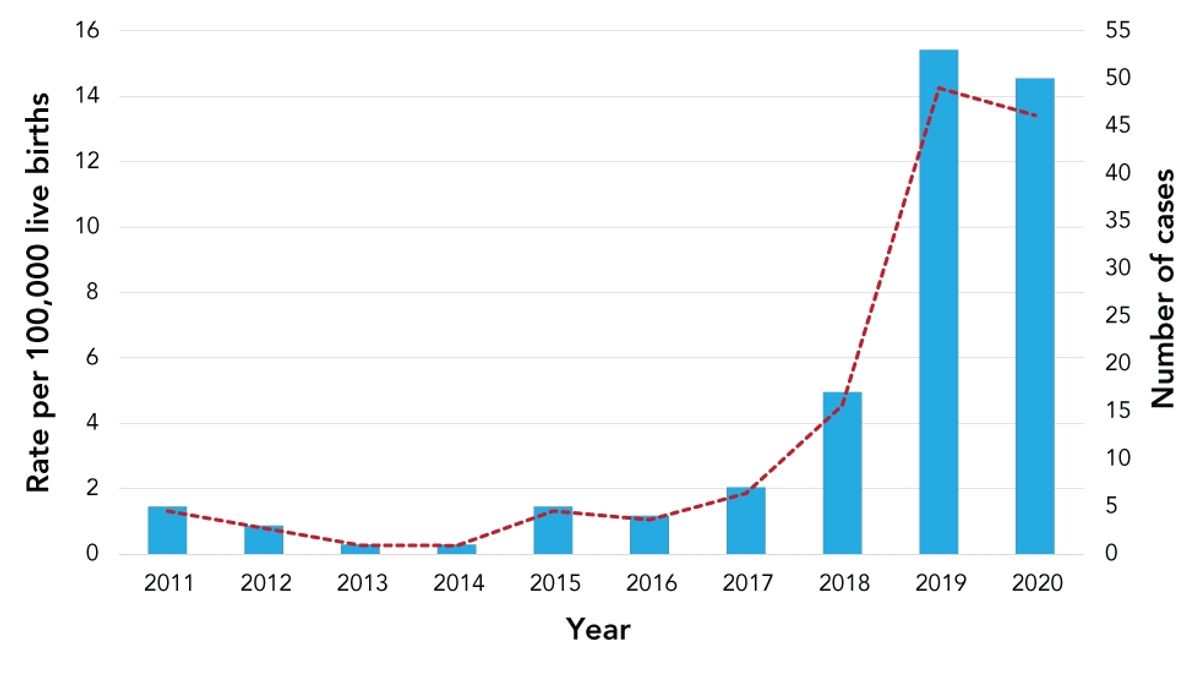
Canada has been witnessing an escalating number of syphilis diagnoses since 2016. The figures are indeed alarming, with a reported 13,953 cases in 2022. This represents a staggering 109% increase compared to 2018. The highest rates of syphilis are observed in the Northwest Territories, Saskatchewan, and Manitoba. This surge in syphilis cases, particularly among heterosexual women, has led to a 600% increase in rates of congenital syphilis, a serious condition that occurs when syphilis is passed from a pregnant person to their baby.
What’s Driving the Increase?
Several factors contribute to this surge. Health-care disparities, lack of public health investment, and decreased condom use due to the introduction of highly effective HIV treatments are some of the reasons. The rise of online dating portals, which enable easier access to sex, and increased rates of drug use during sex also play a part. Furthermore, mistrust of the healthcare system among certain populations exacerbates the situation.
High-Risk Populations
While the rise in syphilis cases is a concern for all, certain high-risk populations are predominantly affected. These include individuals with multiple sex partners, commercial sex workers, people living with HIV, and men who have sex with men. It is also worth noting that there has been a significant increase in syphilis infections among seniors in the Northern Health Authority in north-central B.C.
Symptoms and Treatment of Syphilis
Syphilis is a sexually transmitted bacterial infection that can cause serious health problems if left untreated. Symptoms can vary depending on the stage of the infection, ranging from sores, skin rashes, and fever, to more severe complications like damage to the nervous system and heart. However, syphilis is easily treatable with antibiotics, especially when caught early.
Prevention Measures
Prevention is always better than cure. Safe sexual practices such as the use of condoms, regular screening for sexually transmitted infections (STIs), and post-exposure prophylaxis with oral antibiotics can significantly reduce the risk of syphilis infection. Regular testing is particularly important for those in high-risk groups.
Conclusion
The alarming rise in syphilis cases in Canada underscores the urgent need for on-the-ground efforts to address the crisis. By raising awareness, enhancing healthcare access for marginalized communities, and emphasizing the importance of safe sex practices and regular screening, we can curb the spread of this preventable disease. The challenge of syphilis is not confined to the healthcare system – it’s a societal issue that requires collective action.


