



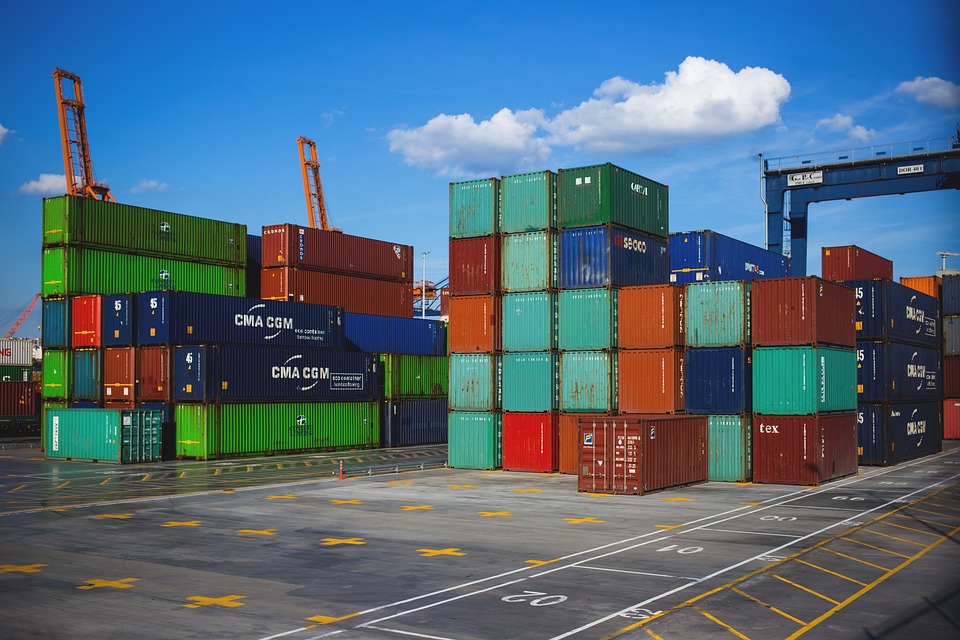
In an era marked by global unpredictability, Canada is charting a forward path by enhancing its trade relationships and export dynamics. As nations navigate the complexities of supply chain disruptions, geopolitical tensions, and environmental challenges, Canada’s trade policies are increasingly focused on diversification and resilience. The goal? To ensure sustainable growth and secure new opportunities in international markets.
The Need for Diversification
Canada’s stunning natural resources and technological advancements provide a strong basis for its export market. However, the concentration of trade with traditional partners, particularly the United States, which accounts for nearly 75% of Canada’s exports, poses significant risks. A sudden downturn in the U.S. economy could have dire consequences for Canadian businesses. To mitigate this risk, the Canadian government is committed to diversifying its trading partners.
Trade agreements such as the Comprehensive Economic and Trade Agreement (CETA) with the European Union and the Comprehensive and Progressive Agreement for Trans-Pacific Partnership (CPTPP) demonstrate Canada’s proactive approach. These agreements open up multiple avenues, allowing Canadian companies to tap into new markets and reduce dependency on a single trade partner.
Strengthening Ties with Asia
One of the most promising areas of expansion is Asia, particularly key markets like China, India, and Southeast Asian nations. Canada’s emphasis on establishing and nurturing relationships in these regions is a strategic response to the changing global landscape.
In 2022, Canada’s exports to Asia surpassed those to the European Union for the first time, highlighting a noteworthy shift. According to a report by Export Development Canada (EDC), exports to China alone grew by 26% over the past year, largely fueled by demand for commodities such as lithium and base metals, essential for technology manufacturing and renewable energy production.
The Role of Technology and Innovation
Trade is not solely about goods; services and technology play a pivotal role in Canada’s export landscape. The government is investing in technology and innovation to propel growth in sectors including clean technology, artificial intelligence, and advanced manufacturing. Initiatives like the Canadian Trade Commissioner Service (TCS) are supporting businesses in navigating international markets and leveraging technological advancements.
For example, Cleantech companies are particularly well-positioned to benefit from international partnerships, as countries worldwide amplify their focus on sustainable development. Canada’s commitment to green energy and clean technologies is translating into new export opportunities, especially in markets keen on transitioning towards reduced carbon footprints.
Building Resilience through Trade Policy
Trade policy has become increasingly focused on resilience and sustainability. For instance, the Canadian government has been working closely with industry stakeholders to create a comprehensive trade policy that aligns with its environmental goals. The recent “Canada’s Trade Strategy” initiative emphasizes inclusive trade—prioritizing engagement with underrepresented groups such as women and Indigenous businesses—ensuring that trade benefits are widely shared.
Recognizing the importance of supply chain stability, Canada also formed strategic partnerships with like-minded nations to streamline trade processes and reduce logistical bottlenecks. These efforts aim to make it easier for Canadian businesses to reach customers worldwide, regardless of geopolitical challenges.
The Agricultural Sector: A Prime Example
Canada’s agricultural sector serves as an excellent example of the nation’s export strategy in action. With globally renowned products such as wheat, canola, and pork, Canada is actively exploring new markets beyond its traditional partnerships. Recent trade missions to India and the Middle East aim to showcase the quality of Canadian agricultural products and establish long-term partnerships.
Moreover, the Canadian government is promoting agri-food value chains and investing in marketing initiatives to enhance the global footprint of Canadian agriculture. Through government support, Canadian farmers and agri-businesses are bolstering their export capabilities and adapting to changing consumer preferences internationally.
Challenges Ahead
While Canada strides forward in strengthening its export relationships, challenges remain on the horizon. Trade barriers, tariffs, and protectionist policies in other countries can complicate Canada’s trade ambitions. The ongoing geopolitical tensions and the impact of climate change further complicate the global trading environment.
Industry leaders emphasize the need for continuous dialogue and collaboration among international partners to address these challenges. The recent trend toward ‘reshoring’—moving production back to domestic countries for safety and reliability—also poses questions about the future of Canadian exports. Canadian businesses will need to innovate and adapt continually to find their niche in this evolving landscape.
The Road Ahead
Canada’s commitment to strengthening its export relationships through diversification, innovation, and sustainable practices positions it for future growth. As it navigates the complexities of global trade, its focus on resilience will be essential for ensuring that Canadian businesses thrive in an increasingly competitive international arena. By building on its strengths and cultivating new opportunities, Canada is not just adjusting its sails; it’s setting a course for a sustainable and prosperous trade future.
Related Products
Follow Canada News Media
Get the day's top Canadian stories and our two daily 60-second news videos wherever you scroll.
X Threads Facebook Instagram LinkedIn TikTok YouTube Pinterest Reddit Substack Flipboard Newsletter RSS