



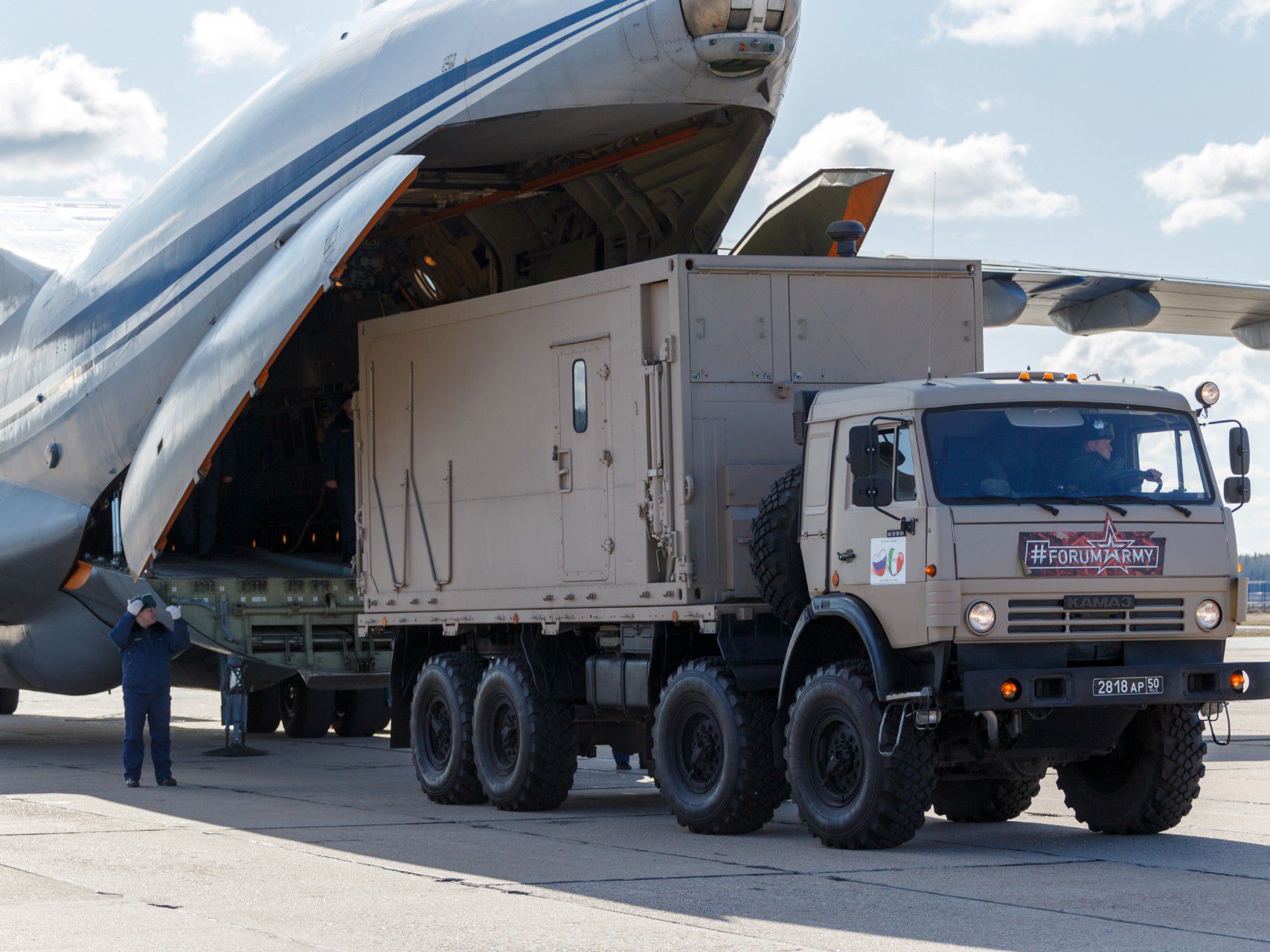

Currently, due to lack of demand, airlines have already downsized their networks and put many aircraft into long-term storage. According to the IATA, the WHO, UNICEF and Gavi have already reported difficulties to continue their vaccine programs due to the “limited air connectivity.”
The IATA estimated that 8,000 747 cargo plans, at minimum, would be needed to transport a single dose of the vaccine worldwide, but more equipment could be required as administering the vaccine might mean several doses. Vaccines would also have to be stored at a temperature range between two and eight degrees Celsius, which could rule out the use of some types of planes.
The issue, Glyn Hughes, the industry’s head of cargo, told the BBC, will be transporting the vaccine to developing countries, such as in South Asia and across Africa, where the manufacturing capacity is limited. The transportation would require an “almost military precision,” he added, and would need access to cool facilities across the region where the vaccine can be stored.
For some developed economies with local manufacturing capacity, the vaccine can be shipped by land.
“Even if we assume that half the needed vaccines can be transported by land, the air cargo industry will still face its largest single transport challenge ever. In planning their vaccine programs, particularly in the developing world, governments must take very careful consideration of the limited air cargo capacity that is available at the moment. If borders remain closed, travel curtailed, fleets grounded and employees furloughed, the capacity to deliver life-saving vaccines will be very much compromised,” said IATA’s Director General and CEO, Alexandre de Juniac, as per the statement.
Currently, around 140 vaccines are in early stages of development, while around two dozen are being tested in human clinical trials.
Source: – National Post
Follow Canada News Media
Get the day's top Canadian stories and our two daily 60-second news videos wherever you scroll.
X Threads Facebook Instagram LinkedIn TikTok YouTube Pinterest Reddit Substack Flipboard Newsletter RSS