



THE LATEST:
- As of Tuesday afternoon, there were 465 new cases of COVID-19 and 12 more deaths.
- There are currently 4,331 active cases of the coronavirus in B.C.
- 329 people are in hospital, with 70 in the ICU.
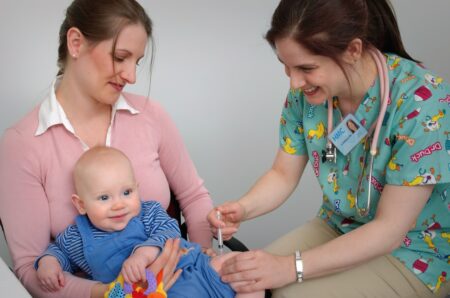
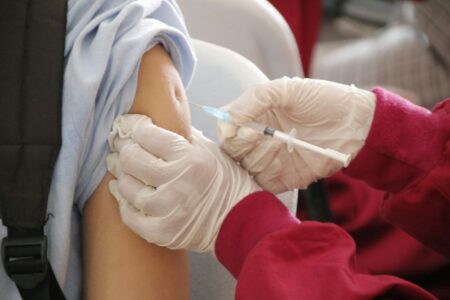
- 92,369 doses of COVID-19 vaccine have been administered in B.C.
- There are no new health-care facility outbreaks.
- The number of cases linked to the Big White Mountain community cluster has grown by 28.
B.C. health officials confirmed 465 new cases of COVID-19 Tuesday and said 12 more people had died of the disease.
In a written statement, Provincial Health Officer Dr. Bonnie Henry and Health Minister Adrian Dix put the number of hospitalized patients at 329 people, 70 of whom are in intensive care.
A total of 1,090 people in B.C. have lost their lives due to COVID-19 since the pandemic began.
B.C. recorded no new outbreaks in health-care facilities.
Interior Health also confirmed there are now 28 additional cases of COVID-19 linked to the Big White Mountain community cluster — bringing the total to 203 since the cluster was declared. Of the 28 new cases, 22 reside and work at Big White.
B.C.’s current health restrictions are in effect until at least Feb. 5 at midnight. The current orders include a ban on gatherings with people outside of one’s immediate household.
Henry said in a news conference on Monday that if B.C.’s case count continues to trend downward, there is a possibility some restrictions could be lifted by the Family Day weekend in mid-February.
A non-existent flu season
Health officials in B.C. have not detected a single case of influenza circulating in the community since flu season began, continuing an “exceptional” nationwide trend.
The B.C. Centre for Disease Control (BCCDC) confirmed the non-existent seasonal flu numbers to CBC News on Monday.
“It’s still a big goose egg in terms of influenza detection provincially. It’s really quite exceptional how low the influenza activity is,” said Dr. Danuta Skowronski, the lead for influenza and emerging respiratory virus monitoring at the BCCDC.
B.C. ‘prepared’ for vaccine delays
The federal government on Friday announced Pfizer is temporarily reducing shipments of its vaccine in order to expand manufacturing capacity at a facility in Belgium. The move means there will be fewer shipments of the Pfizer-BioNTech vaccing coming to Canada until at least March.
Prime Minister Justin Trudeau said on Tuesday he’s still confident the country is on track to vaccinate every Canadian who wants a shot by September.
Henry called the delay a “setback” that will temporarily slow the province’s delivery of the vaccine to at-risk people. But she said the province is working to ensure the highest number of people are immunized.
READ MORE:
- The B.C. government should tighten restrictions on travel from other Canadian provinces to curb the spread of COVID-19, a global health expert said Tuesday.
- British Columbia’s health minister says the province is still on track to begin administering second doses of the Pfizer-BioNTech vaccine despite the news that no vials will be delivered to Canada next week.
- A man and woman have each been fined for not wearing masks after they coughed in the direction of customers at a gym just steps from Vancouver police headquarters.
- Health officials in B.C. have not detected a single case of influenza circulating in the community since flu season began, continuing an “exceptional” nationwide trend even as the province sits in the thick of its regular flu season.
- Despite a significant short-term gap in deliveries of Pfizer-BioNTech vaccines to Canada, Prime Minister Justin Trudeau said today he’s still confident the country is on track to vaccinate every Canadian who wants a shot by September.
- The Vancouver School Board is getting a failing grade from some parents who say their children aren’t getting enough class time in high school.
What’s happening elsewhere in Canada
As of 9 p.m. PT on Tuesday, Canada had reported 719,465 cases of COVID-19, and 18,266 total deaths.
A total of 71,055 cases are considered active.
What are the symptoms of COVID-19?
Common symptoms include:
- Fever.
- Cough.
- Tiredness.
- Shortness of breath.
- Loss of taste or smell.
- Headache.
But more serious symptoms can develop, including difficulty breathing and pneumonia.
What should I do if I feel sick?
Use the B.C. Centre for Disease Control’s COVID-19 self-assessment tool. Testing is recommended for anyone with symptoms of cold or flu, even if they’re mild. People with severe difficulty breathing, severe chest pain, difficulty waking up or other extreme symptoms should call 911.
What can I do to protect myself?
- Wash your hands frequently and thoroughly. Keep them clean.
- Keep your distance from people who are sick.
- Avoid touching your eyes, nose and mouth.
- Wear a mask in indoor public spaces.
- Be aware of evolving travel advisories to different regions.
More detailed information on the outbreak is available on the federal government’s website.

Follow Canada News Media
Get the day's top Canadian stories and our two daily 60-second news videos wherever you scroll.
X Threads Facebook Instagram LinkedIn TikTok YouTube Pinterest Reddit Substack Flipboard Newsletter RSS