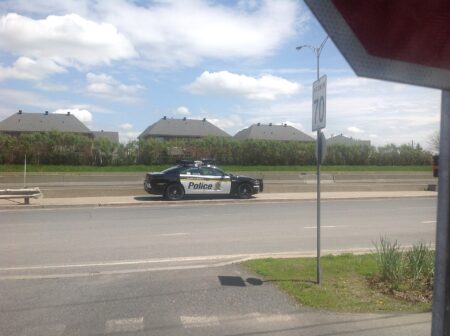


In recent years, conversations about racial disparities in law enforcement have gained widespread attention across the world, particularly in Canada. The disproportionate use of force against Black Canadians by police is an alarming issue that has been the subject of growing concern and demands for reform. The patterns of systemic racism, entrenched through decades of colonialism and discriminatory practices, have placed Black Canadians at a significantly higher risk of violence and excessive policing. This long-standing injustice calls for a deep exploration of why Black Canadians are more likely to experience use of force and what it means for their interactions with law enforcement.
To understand the roots of police violence against Black Canadians, it’s essential to delve into the colonial history that shaped the country’s law enforcement institutions. Canada, like many other nations, was built on a foundation of colonization, which was characterized by the displacement and subjugation of Indigenous peoples and the transatlantic slave trade. This history of oppression continues to inform how marginalized communities are treated by the state, particularly through policing.
Over the years, the over-policing of Black Canadians has emerged as a significant issue. From the infamous “carding” practices that disproportionately targeted Black men in cities like Toronto to the documented cases of police brutality, these incidents serve as stark reminders of the ongoing legacy of systemic racism.
“I’ve been stopped by the police more times than I can count, and almost every time, it’s been for no reason,” says Jamal Thompson, a Black Toronto resident. “They ask for ID, ask where I’m going, and make me feel like I’m a criminal just for walking down the street. It’s dehumanizing.”
Jamal’s experience is not an isolated incident. Data from Toronto police shows that Black people are 20 times more likely to be shot by police than white people. Moreover, they are disproportionately represented in cases of police use of force, despite making up only 8.8% of the city’s population.
Racial profiling is a central factor that contributes to the disproportionate use of force against Black Canadians. The practice involves law enforcement officers targeting individuals for suspicion of crime based on their race, ethnicity, or religion, rather than any actual evidence of wrongdoing. In Canada, Black individuals are more likely to be stopped, questioned, and subjected to searches by police, leading to heightened encounters with law enforcement.
“When I was 17, I was walking home from school, and a police car pulled up next to me,” recalls Monique Bailey, a Black woman from Montreal. “They told me I fit the description of someone who committed a crime in the area. I was just a kid, terrified and confused, and I’ll never forget how powerless I felt in that moment.”
For many Black Canadians like Monique, interactions with police often begin with racial profiling. These interactions can quickly escalate, resulting in excessive force or arrest, even when no crime has been committed. The psychological toll of constantly being viewed as suspicious can also lead to distrust and fear of law enforcement, further exacerbating tensions between police and Black communities.
Research has consistently shown that Black Canadians are more likely to be involved in police encounters that result in the use of force. According to a 2020 report by the Ontario Human Rights Commission, Black individuals are disproportionately subjected to use of force by police, including physical restraint, tasers, and firearms. The report found that Black people made up 30% of use-of-force cases in Toronto, despite representing less than 9% of the population.
“The numbers don’t lie,” says Dr. Akwasi Owusu-Bempah, a sociology professor at the University of Toronto who studies race and policing. “What we’re seeing is clear evidence that systemic racism is embedded within our policing institutions. Black Canadians are being targeted at higher rates, and this inevitably leads to more violent encounters with police.”
Dr. Owusu-Bempah’s research also highlights that Black Canadians are not only more likely to be stopped and searched, but they are also more likely to be perceived as a threat by police, leading to the use of force.
Psychological Impact on Black Communities
The disproportionate use of force against Black Canadians has significant psychological and emotional consequences for Black communities across the country. Constantly living under the threat of police violence can lead to a heightened sense of fear, anxiety, and trauma. This chronic stress, often referred to as “weathering,” can have long-term effects on both physical and mental health.
“Every time I leave the house, there’s this voice in the back of my mind wondering if today is the day I’ll have a bad run-in with the police,” says Kareem Anderson, a Black man from Vancouver. “It’s exhausting to always be on edge, knowing that something could go wrong at any moment just because of the color of my skin.”
The impact of police violence extends beyond individual encounters. Entire families and communities are affected when one of their own experiences brutality or unjust treatment at the hands of law enforcement. This shared trauma can weaken trust in public institutions and erode social cohesion within Black communities.
Calls for Police Reform and Accountability
In light of the ongoing violence and discrimination faced by Black Canadians, there have been growing calls for police reform and greater accountability. Advocates are pushing for changes in how law enforcement agencies operate, from increased transparency and oversight to the implementation of anti-racist training and de-escalation techniques.
“We need to reimagine public safety in Canada,” argues Sandy Hudson, co-founder of Black Lives Matter Toronto. “The current policing model is broken. It’s rooted in a history of racism, and until we dismantle that system and replace it with one that centers on community safety, we’ll continue to see Black Canadians harmed by the police.”
Many activists are also advocating for defunding the police, redirecting resources toward social services, mental health support, and community-led initiatives aimed at addressing the root causes of crime.
“We’ve been saying for years that policing isn’t the answer to every social issue,” says Desmond Cole, a prominent Black journalist and activist. “We need to invest in Black communities, in education, in housing, in healthcare—things that actually make people safer. Instead, we pour billions into policing, and Black Canadians continue to suffer the consequences.”
Government Response and Future Outlook
In response to the mounting pressure for change, the Canadian government has pledged to address systemic racism within law enforcement. In 2021, the federal government announced a national action plan to combat anti-Black racism, which includes funding for initiatives aimed at improving police accountability and promoting equity within the criminal justice system.
Despite these efforts, many Black Canadians remain skeptical about whether meaningful change will be achieved. The deep-seated nature of systemic racism in policing means that reforms will need to go beyond surface-level adjustments.
“I want to believe that things will get better, but we’ve been here before,” says Alicia Williams, a Black community organizer in Halifax. “The government says all the right things, but when it comes to actually holding police accountable, we don’t see much progress. Black Canadians deserve more than empty promises.”
A Call for Justice
The over-policing and disproportionate use of force against Black Canadians is a manifestation of the broader issues of systemic racism and inequality that persist in the country. While there have been steps toward addressing these injustices, much work remains to be done to ensure that Black Canadians can feel safe in their interactions with law enforcement.
As calls for police reform and greater accountability continue to grow, it is essential for both the government and law enforcement agencies to listen to the voices of Black Canadians and commit to meaningful change. The future of policing in Canada must be one that prioritizes justice, equity, and the protection of all citizens, regardless of their race or background.
“We deserve to live in a country where we’re not constantly afraid of the people who are supposed to protect us,” says Jamal Thompson. “It’s time for Canada to face the reality of its policing problem and take action to end the violence against Black communities.”
Follow Canada News Media
Get the day's top Canadian stories and our two daily 60-second news videos wherever you scroll.
X Threads Facebook Instagram LinkedIn TikTok YouTube Pinterest Reddit Substack Flipboard Newsletter RSS