

Humans are mammals, and while Kelvin says there is some debate in the scientific community about the case fatality rate of H5N1 in humans, the World Health Organization currently has it listed at 56%. The COVID-19 case fatality rate is between one to two percent.
WHO director-general Tedros Adhanom Ghebreuesus recently said the risk to humans remains low, “but we cannot assume that will remain the case, and we must prepare for any change in the status quo.”
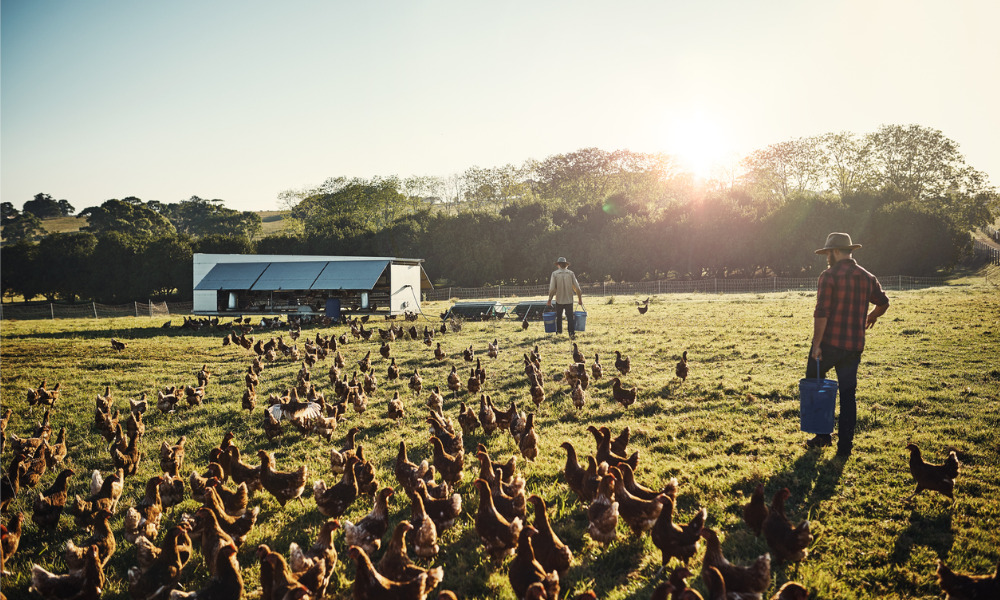
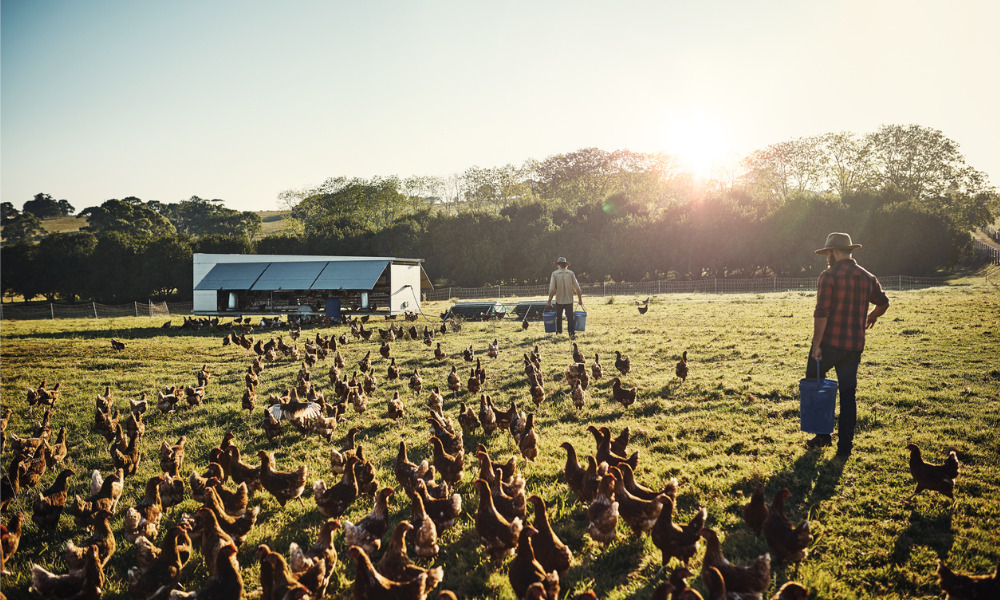
For farmers in Canada, or anyone working around birds, that means taking all necessary precautions to prevent infection, “because protecting your flock is protecting you,” says Kelvin.
There are many preventative steps to take according to Leech, including limiting visitors and equipment that need to enter the barn, changing footwear and clothing when going in and out, frequent handwashing, and evaluating every input into the farm. Leech also advises having a water treatment program.
“It really comes down to vigilance in those areas on a daily basis, to protect against personnel and equipment that might be entering into the barn,” says Leech, who adds the CFIA needs to be called immediately if there is even a slight suspicion the virus could be present on a farm.