



A protest that got out of hand? Carefully planned riot? Attempted putsch?
The political year began with an event that was surely all of these, as a mob of Donald Trump supporters stormed the U.S. Capitol building while U.S. lawmakers were debating Joe Biden’s presidential victory in the Electoral College.
In the end, the transition was orderly. Biden was inaugurated two weeks later, and Trump left office as the first U.S. president to be impeached twice. Yet the legacy of Jan. 6 is one of deep and persistent polarization.
Biden said the U.S. was “back” after the America First policies of the Trump era. Still, with domestic concerns front and center, it hasn’t always looked like that to the rest of the world. The chaotic pullout of American forces from Afghanistan without consulting U.S. partners in the two-decade war was a case in point.
The Biden administration’s most consequential foreign-policy decision, however, was to lean into its standoff with China and square up for an epoch-defining rivalry that will affect us all. Washington marshaled like-minded allies as it sought to challenge Beijing on its human rights record and check its access to technologies including leading-edge semiconductors.
China focused on becoming more self-reliant and pursuing “common prosperity,” while cracking down on tech companies and tightening its control over Hong Kong. President Xi Jinping consolidated power ahead of a Communist Party plenum next year that could see him potentially rule for life.
A Xi-Biden virtual meeting and a bilateral climate deal at the COP26 summit in Scotland helped dial back the rhetoric, yet the situation remains volatile—nowhere more so than over Taiwan. China’s territorial claims and U.S. support for the democratic government in Taipei ensure that the island will be on the front line, a potential flashpoint of the great power tussle into 2022 and beyond.
Above: Washington, D.C., Jan. 6. The U.S. Capitol was placed under lockdown as hundreds of protesters stormed the building where lawmakers were debating Joe Biden’s victory. Victor J. Blue/Bloomberg
“Photographing the Insurrection” Bloomberg Quicktake
There were also ominous developments for the global balance of power in the former Soviet Union. Russian President Vladimir Putin caused an international uproar by jailing opposition leader Alexey Navalny on his return to the country. A more recent concern is the Russian forces massing on Ukraine’s border.
Europe will have to confront unfolding events without its de facto leader after Angela Merkel was replaced by Olaf Scholz following her almost 16 years as Germany’s chancellor.
While her departure has been long planned, it wasn’t that way for other leaders. In Japan, the curse of short-lived premierships struck again, with Fumio Kishida next to step up. The laws of political gravity finally caught up with Benjamin Netanyahu after 15 years as Israel’s prime minister, while archenemy Iran elected a new president ahead of negotiations aimed at resuming the nuclear deal abandoned by Trump.
Covid-19, of course, continued to upend politics and wrong-foot political leaders. Justin Trudeau misjudged Canadian voters by calling a snap election on the back of his pandemic handling—only to fall short of a majority. U.K. Prime Minister Boris Johnson, who presided over one of the worst death tolls in Europe, continued his political high-wire act as Brexit became real and Britain’s supermarket shelves emptied.
Riots in South Africa fueled by economic injustice and frustration at lockdowns left more than 350 dead, even before the country rang the alarm over a new Covid variant. Elsewhere in Africa, Prime Minister Abiy Ahmed of Ethiopia ended the year fighting rebel forces two years after he received the Nobel Peace Prize.
In Latin America, too, the pandemic exposed inequalities that brought electoral surprises in Peru and Chile. Regional heavyweight Brazil faces a no-holds-barred contest for the presidency next year.
Biden, meanwhile, ended a stumbling first year with the passage of his massive spending program after extensive wrangling. It’s a success he’ll need to sustain him into 2022 as the relentless U.S. electoral cycle gears up for midterms.
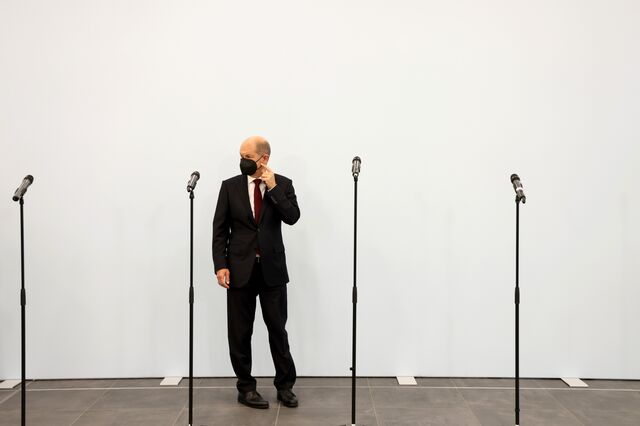
Berlin, Oct. 15. Olaf Scholz’s center-left Social Democrats beat the conservative Christian Democratic bloc in German’s Sept. 26 election to set up an unprecedented three-way coalition. Liesa Johannssen-Koppitz/Bloomberg
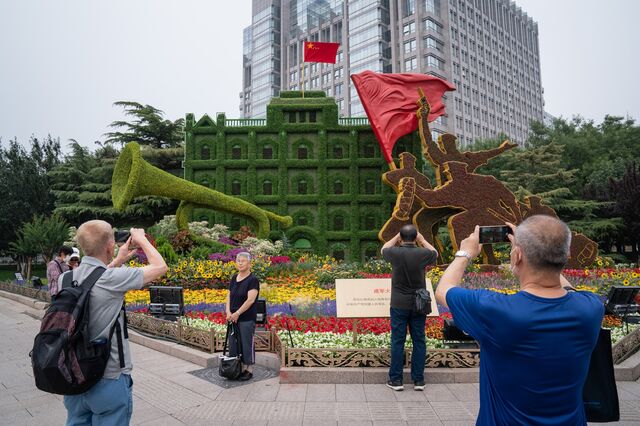
Beijing, June 25. The Chinese Communist Party celebrated 100 years since its founding on July 1. Yan Cong/Bloomberg
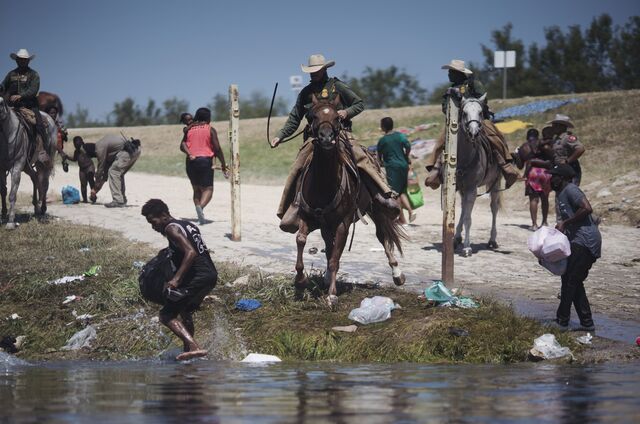
Del Rio, Texas, Sept. 19. The U.S. flew Haitians camped in the border town back to their homeland and tried to block others from crossing from Mexico. Eric Thayer/Bloomberg
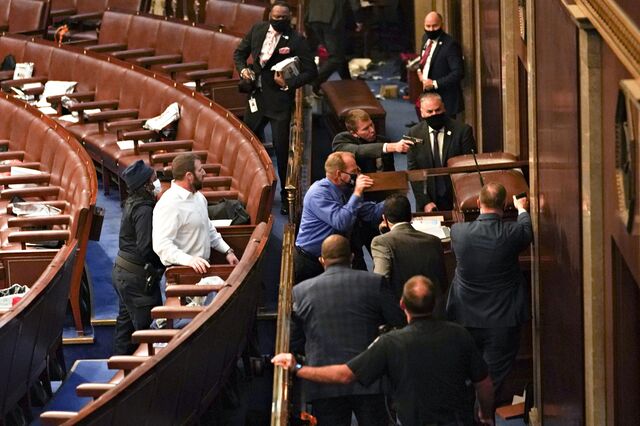
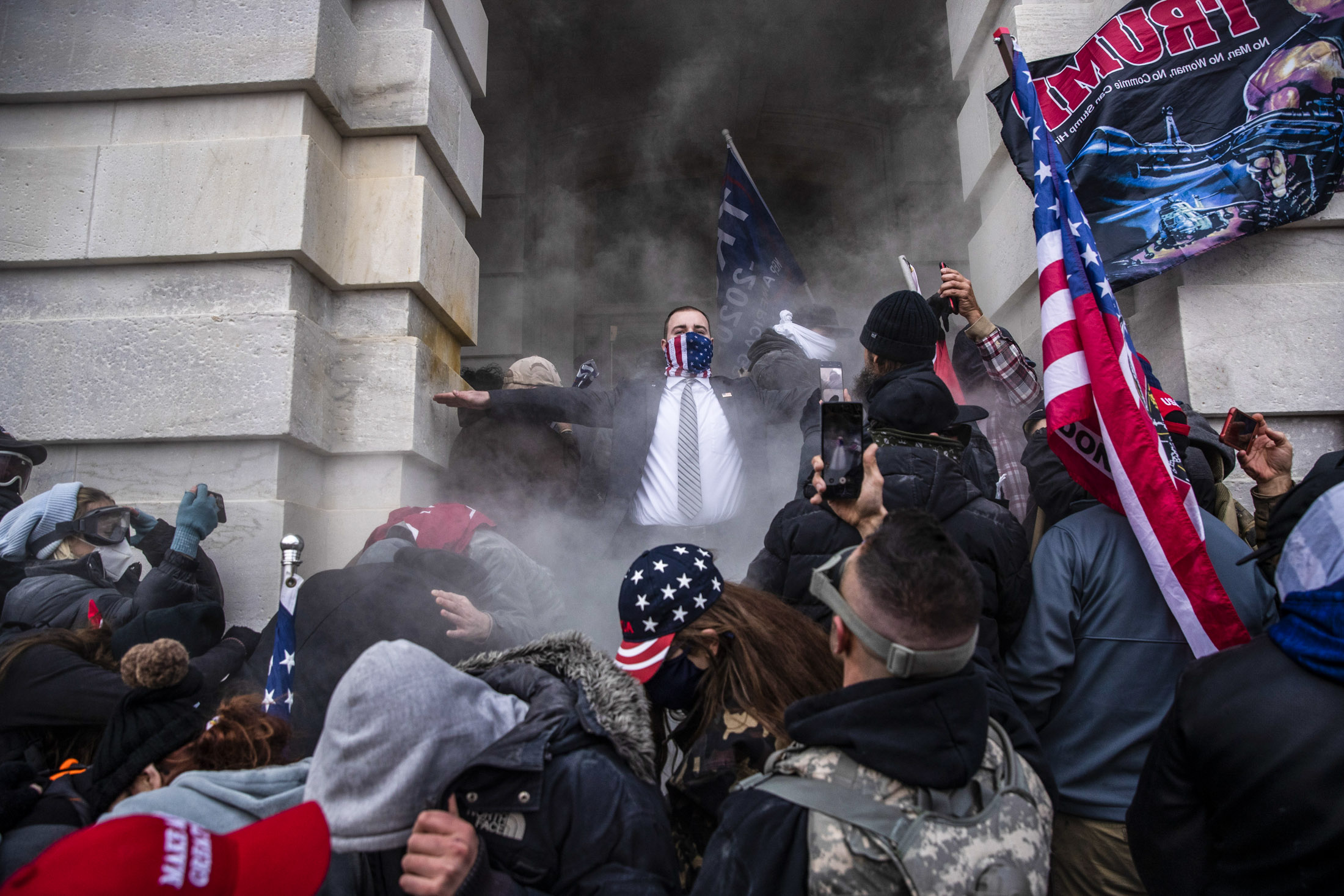
Washington, D.C., Jan. 6. Americans watched in horror as a pro-Trump mob quickly overcame security and stormed the Capitol. Stefani Reynolds/Bloomberg
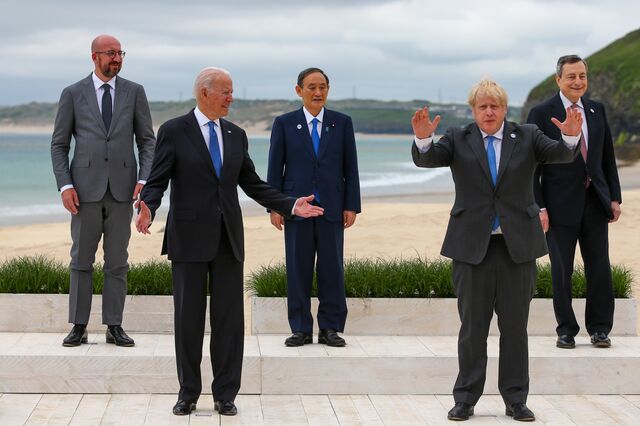
Carbis Bay, U.K., June 11. British Prime Minister Boris Johnson hosted fellow Group of Seven leaders along the English coast. Hollie Adams/Bloomberg
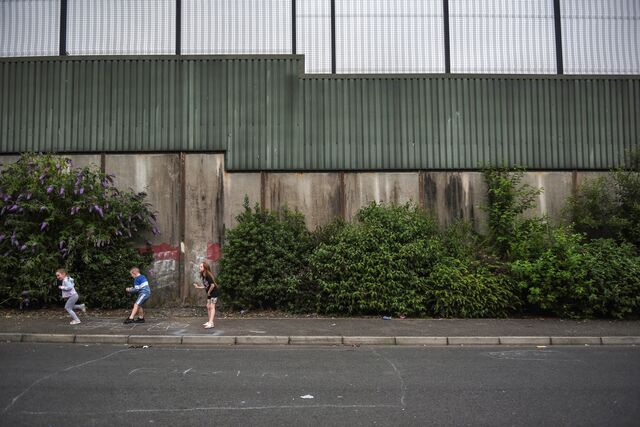
Belfast, U.K., July 8. Britain’s departure from the European Union thrust Northern Ireland into the spotlight as the divided city sought to escape a troubled past brought back by Brexit. Mary Turner/Bloomberg
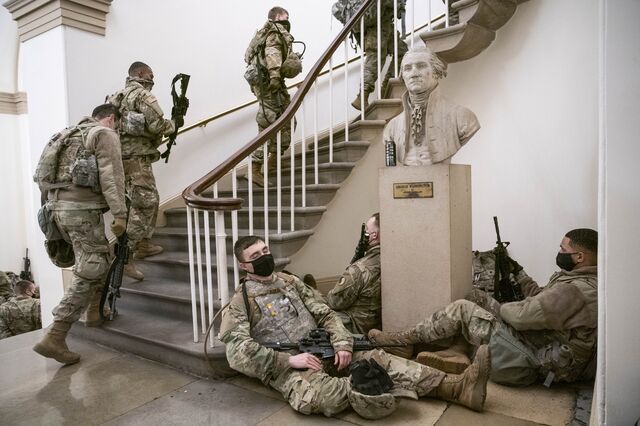
Washington, D.C., Jan. 13. About 1,100 National Guard personnel were deployed to clear the Capitol following the Jan. 6 riot. Sarah Silbiger/Bloomberg
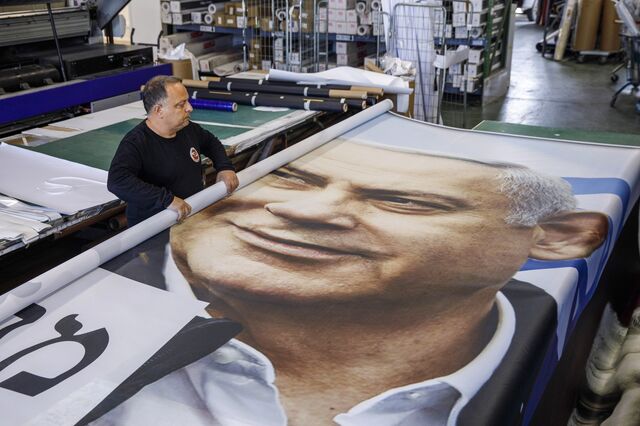
Rosh Haayin, Israel, March 10. Benjamin Netanyahu, Israel’s longest serving prime minister, was ousted in July with the formation of an alternate government. Bibi spent a total of 15 years as prime minister since 1996. Kobi Wolf/Bloomberg
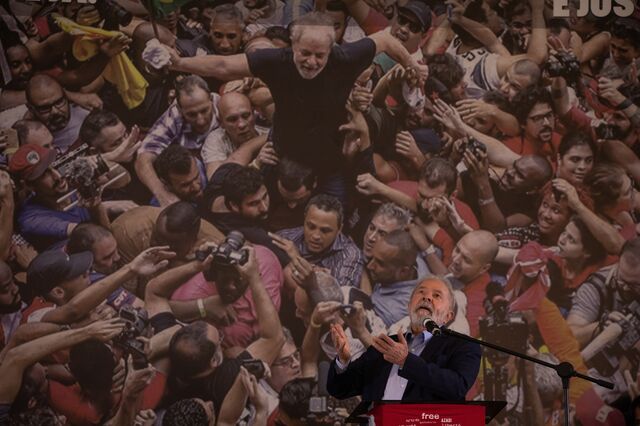
Sao Bernardo do Campo, Brazil, March 10. Luiz Inacio Lula da Silva was thrust back onto the political front line after a judge tossed out criminal convictions against the leftist icon. Victor Moriyama/Bloomberg
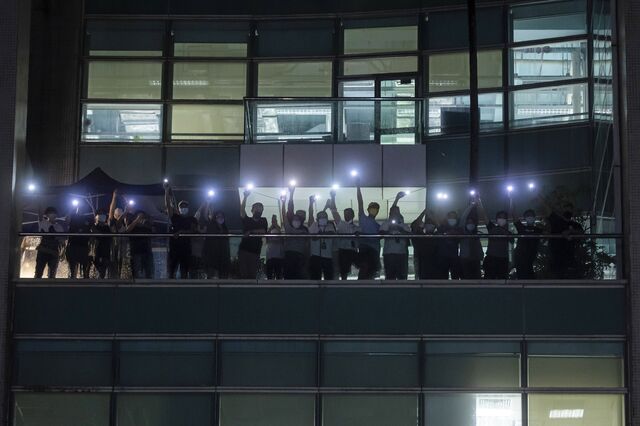
Hong Kong, June 23. The city bid an emotional farewell to the Apple Daily newspaper in a dramatic night vigil as the pro-democracy tabloid became the latest victim of Beijing’s campaign to silence dissent. Paul Yeung/Bloomberg
Kashira, Russia, June 9. In his annual televised phone-in, Russian President Vladimir Putin raised concerns about food prices as the central bank struggled to control inflation. Videographer: Andrey Rudakov/Bloomberg
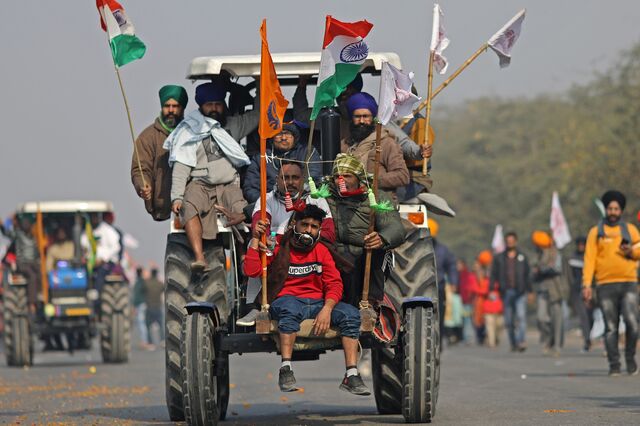
New Delhi, Jan. 26. Thousands of Indian farmers escalated protests to revoke controversial new agricultural laws, clashing with police and storming key landmarks. Prime Minister Narendra Modi later backed down. Anindito Mukherjee/Bloomberg
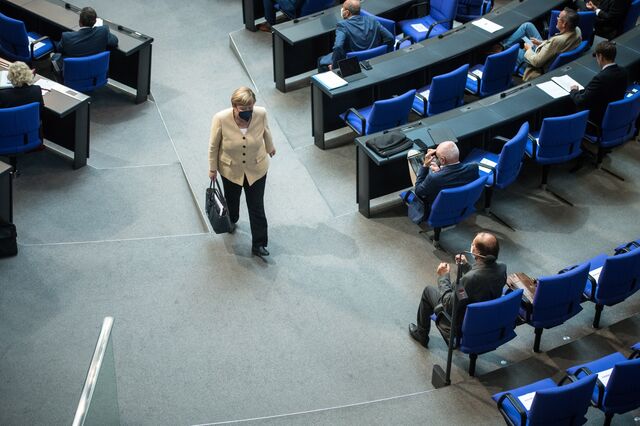
Berlin, Sept. 7. Chancellor Angela Merkel waded into the German election campaign to back Christian Democrat candidate Armin Laschet to replace her after polls showed the rival Social Democrats extending their lead. Stefanie Loos/Bloomberg
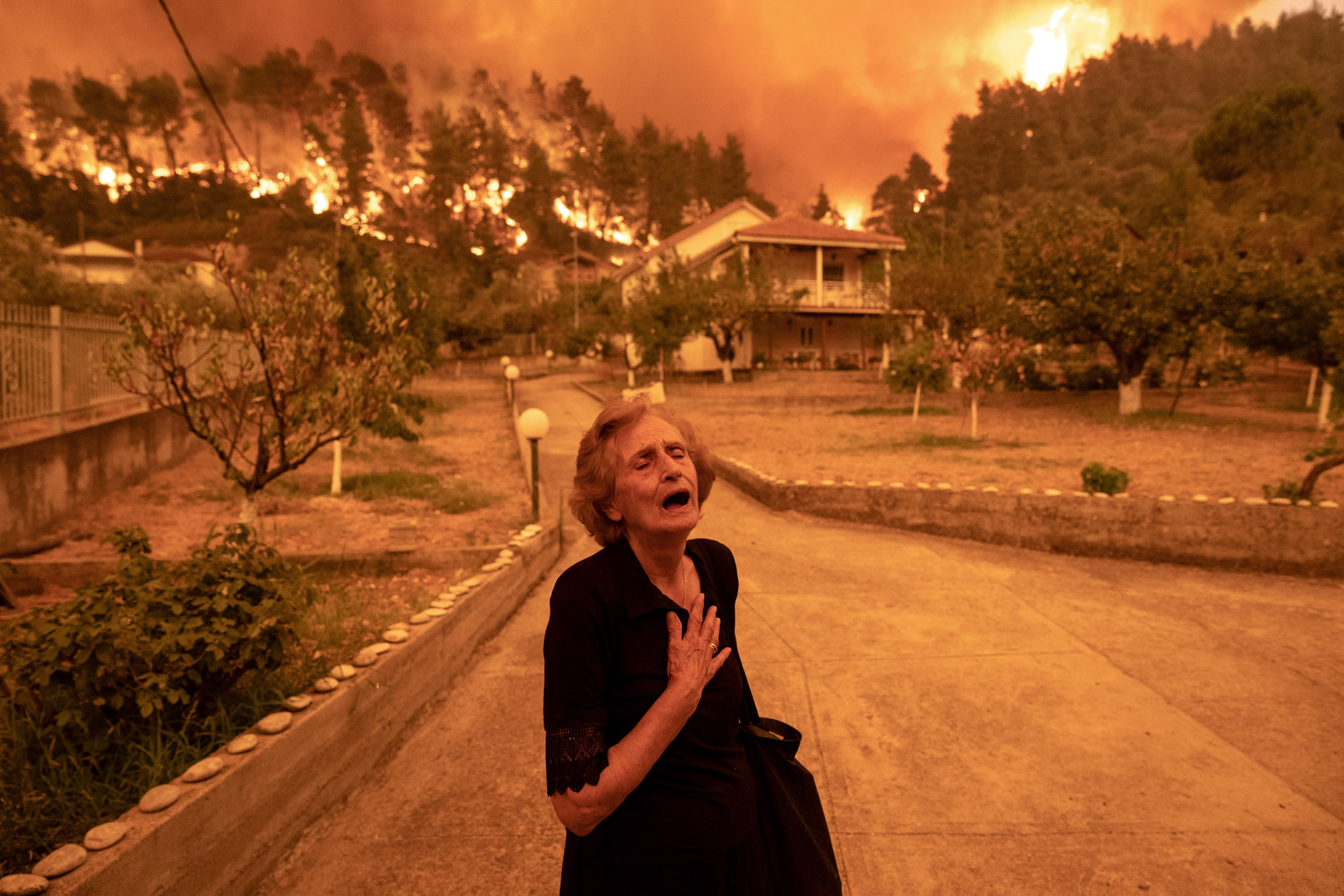
The World Promises Change After Another Year of Extreme Climate Disasters
Inflation Bites Us All Again After the Economy Roars Back
Riots, Power Shifts and Rulers for Life. What’s Next for Global Politics?
How a Year Full of Vaccine Promise Turned Into Another Covid Nightmare
Wall Street Finally Learns It Can’t Ignore Crypto and NFTs
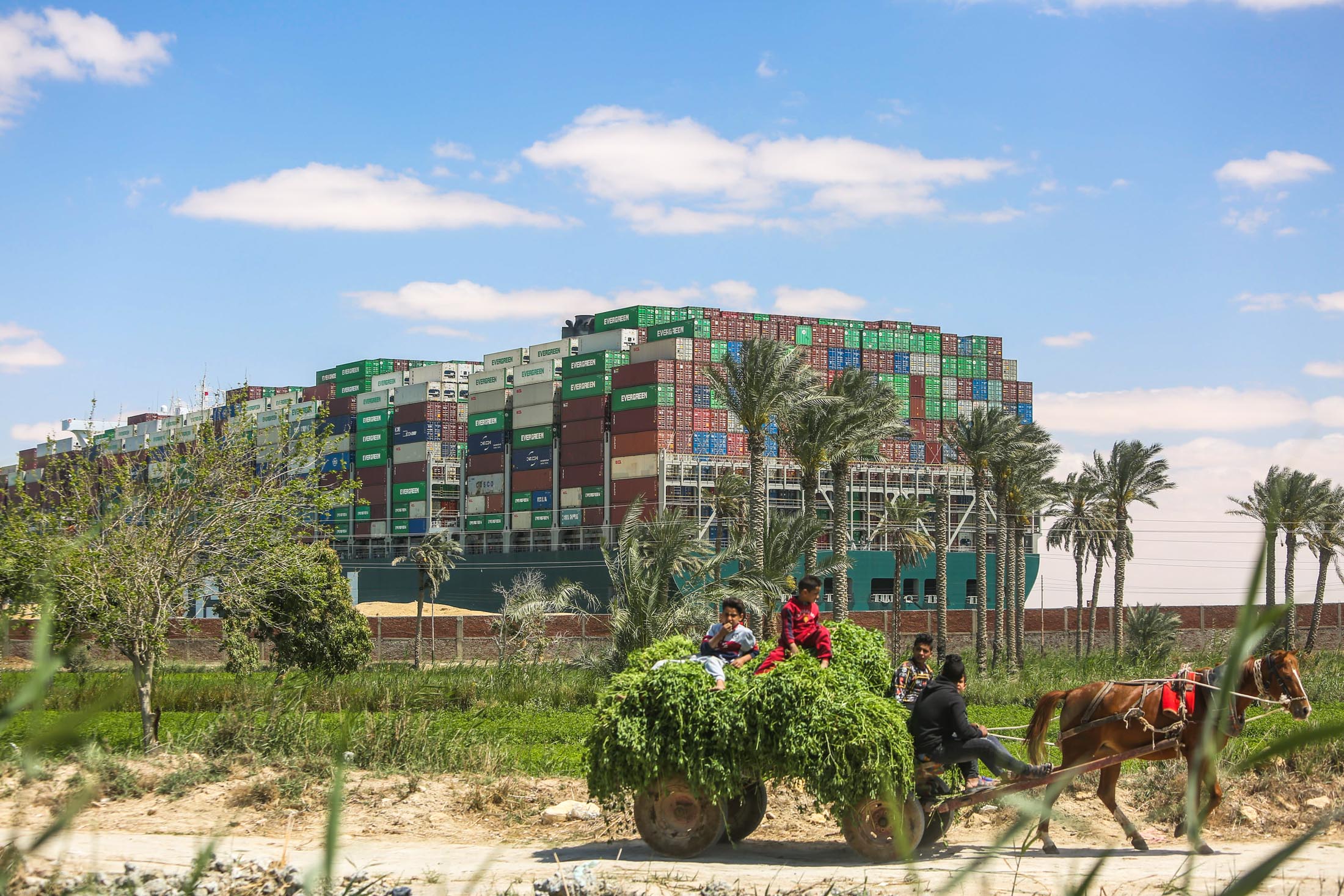
Shipping Chaos Teaches the World It Can’t Always Get What It Wants

Follow Canada News Media
Get the day's top Canadian stories and our two daily 60-second news videos wherever you scroll.
X Threads Facebook Instagram LinkedIn TikTok YouTube Pinterest Reddit Substack Flipboard Newsletter RSS