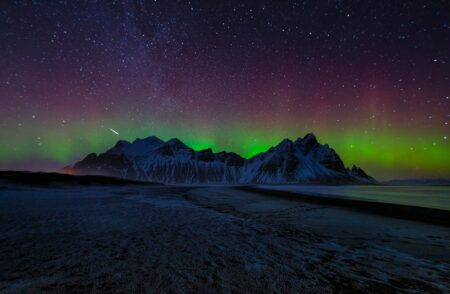



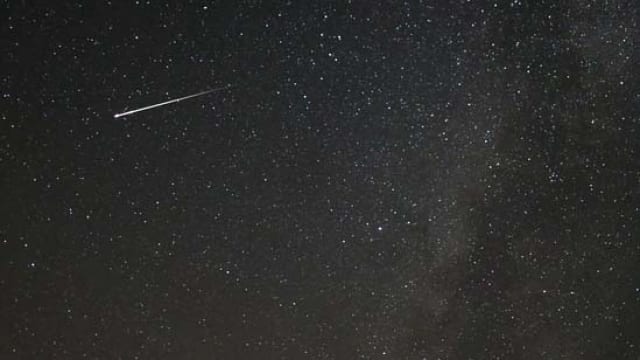

The meteorite changed its course for about five seconds, burning southwest. It ends just west of Foston, Saskatchewan. In the United States, neighboring regions such as South Manitoba, North Saskatchewan, and North Dakota have also seen spectacular events. A second meteor was seen from a different point in space in the same region at 9:47 pm on Wednesday, March 23, according to Central Time. Many users on social media have expressed astonishment over the phenomenon of astronomy.
Scott Young, a planetarium astronomer at the Manitoba Museum, told CBC Manitoba on Wednesday that such a large and bright fireball is extremely rare for humans to see. If you have spent your entire life as a dedicated skywatch, you may be lucky enough to see two. However, you know, this is a once in a lifetime opportunity. Meteors are rocky objects, sometimes made of ice, that glow from space in the Earth’s atmosphere. They often reach speeds of several thousand miles per hour.

Follow Canada News Media
Get the day's top Canadian stories and our two daily 60-second news videos wherever you scroll.
X Threads Facebook Instagram LinkedIn TikTok YouTube Pinterest Reddit Substack Flipboard Newsletter RSS