

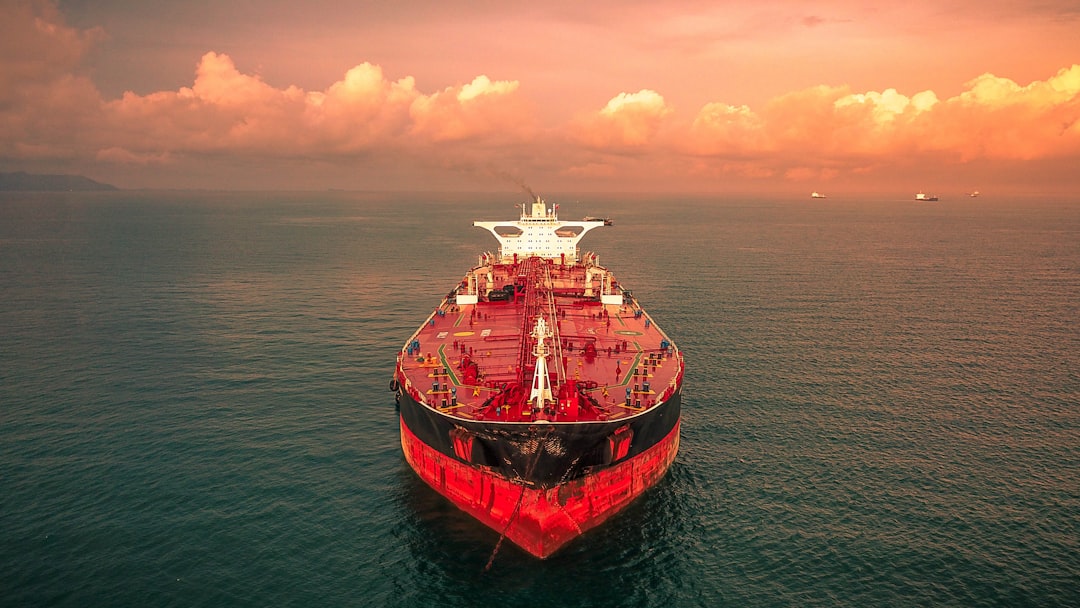
Tensions around the Strait of Hormuz are rippling through global shipping, with vessel traffic dropping sharply over the past few days as shipowners and traders weigh the growing security risk in one of the world’s most important energy corridors. The narrow waterway, which sits between Iran and Oman, is a critical route for oil and liquefied natural gas heading to world markets, and even a short disruption can quickly unsettle prices and supply planning. Marine tracking data suggests only a handful of ships have recently made the passage in either direction, a sign that caution is spreading across the industry. Markets are now watching to see whether this slowdown is temporary or the start of a broader disruption with global consequences.
For Canadians, the immediate concern is not that domestic fuel supplies will suddenly run out, but that higher global oil prices can feed into gasoline costs, home heating bills and inflation. Canada produces a large amount of its own oil and gas, yet world benchmark prices still influence what consumers pay at the pump and what businesses pay to move goods across the country. A prolonged shipping bottleneck in the Persian Gulf could also add pressure to supply chains, especially for goods tied to international freight, insurance and energy-intensive manufacturing. If the situation worsens, Canadian households and businesses could feel the effects through rising transportation costs, more volatile energy bills and renewed inflation worries.
In the coming days, attention will focus on whether commercial shipping resumes more normally or whether companies continue to delay voyages through the strait. Investors, governments and energy analysts will also be watching for any military escalation, new security warnings or changes in insurance rates for vessels operating in the region. The direction of oil prices, along with any response from major producers and consuming countries, will be a key signal of how serious the disruption may become.
The Strait of Hormuz carries a significant share of the world’s seaborne oil trade, making it one of the most strategically sensitive maritime chokepoints on the planet. Because so much crude oil and natural gas moves through that narrow passage, unrest in the area often triggers a quick reaction in energy markets, even before any formal supply cuts occur. Shipping companies, tanker operators and insurers tend to respond early when security risks rise, sometimes slowing traffic or rerouting vessels until conditions become clearer. That means market anxiety alone can have economic effects, pushing up costs long before any physical shortage appears.
A sharp decline in vessel movement through the strait is especially important because the global energy system depends heavily on predictability. Refineries, traders and utilities build their plans around steady cargo flows, and when that rhythm is interrupted, uncertainty can become expensive. Freight rates can rise, marine insurance premiums can jump and buyers may scramble to secure alternative supply. In turn, those higher costs can move through supply chains and eventually show up in everyday consumer prices. Even in countries far from the Gulf, including Canada, a slowdown in one narrow shipping lane can have a broad economic reach.
Canadian drivers are particularly sensitive to swings in global crude markets. While regional factors such as refinery capacity, taxes and local competition all influence pump prices, international oil benchmarks remain one of the biggest drivers of what Canadians pay. If tanker traffic through the Strait of Hormuz remains unusually low, traders may start pricing in a greater risk of shortages, sending crude higher even without a confirmed loss of supply. That can hit motorists quickly, especially during busy travel periods when demand is already elevated. In provinces where long driving distances are common, even a modest increase in gasoline prices can be felt across household budgets.
The impact could extend beyond fuel. Airlines, trucking firms, manufacturers and food distributors all face energy costs that shape what they charge customers. If oil prices remain elevated, businesses may pass along some of those increases, adding another layer of pressure to consumers already coping with higher living costs. For the Bank of Canada, any sustained energy-driven inflation bump would be closely watched, particularly if it starts affecting broader price expectations. While one shipping slowdown does not guarantee a lasting inflation problem, it can complicate the economic picture at a time when many Canadians are hoping for more stable prices and borrowing costs.
There is also a financial market angle that matters in Canada. Energy stocks listed in Toronto can benefit when crude prices rise, which may help parts of the market, pension funds and resource-heavy portfolios. But gains in the energy sector do not erase the broader strain that higher fuel and transportation costs can place on consumers and non-energy businesses. This creates a mixed picture for the Canadian economy: oil-producing regions may see some upside from firmer prices, while households and companies that rely heavily on transportation may face new cost pressures. That split is familiar in Canada, where energy is both a major export strength and a source of consumer vulnerability.
What happens next will depend largely on security conditions in the Gulf and the willingness of shipping companies to keep operating in the area. If naval escorts, diplomatic signals or lower threat levels restore confidence, traffic could recover relatively quickly and markets may calm down. But if shipowners continue to hold back, or if there are new incidents involving commercial vessels, the price reaction could intensify. Energy traders are likely to monitor not just the number of tankers passing through the strait, but also how quickly loading schedules, charter rates and insurance costs begin to change.
The broader background is important here. The Strait of Hormuz has long been seen as a pressure point in global geopolitics because of its location at the entrance to the Persian Gulf. Major oil producers in the region depend on it to send crude to Asia, Europe and beyond, and any threat to free navigation there can become an international concern. Over the years, periods of regional tension have repeatedly raised fears about shipping safety, military confrontation and energy market disruptions. Because of that history, even limited signs of trouble in the strait tend to attract outsized attention from governments, traders and central banks around the world.
For Canadian readers, the key takeaway is that this is less about immediate shortages at local gas stations and more about the global price signal created when one of the world’s busiest energy routes slows down. Canada has more energy resilience than many countries, but it is not insulated from world markets or from the ripple effects of shipping risk. If the Strait of Hormuz remains unusually quiet, Canadians may see the consequences first in rising crude prices, then in fuel bills, shipping costs and inflation-sensitive parts of the economy. For now, the situation remains fluid, and the next few days will be crucial in showing whether this is a temporary pause in traffic or the start of a more serious global energy disruption.
Follow Canada News Media
Get the day's top Canadian stories and our two daily 60-second news videos wherever you scroll.
X Threads Facebook Instagram LinkedIn TikTok YouTube Pinterest Reddit Substack Flipboard Newsletter RSS