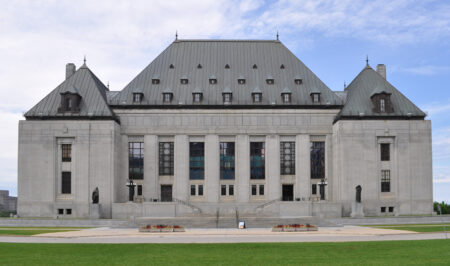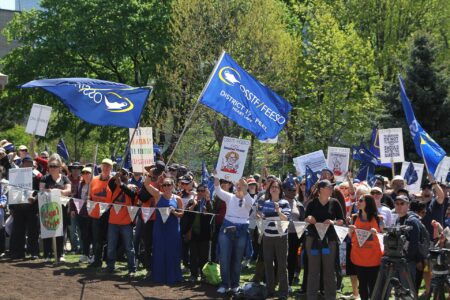



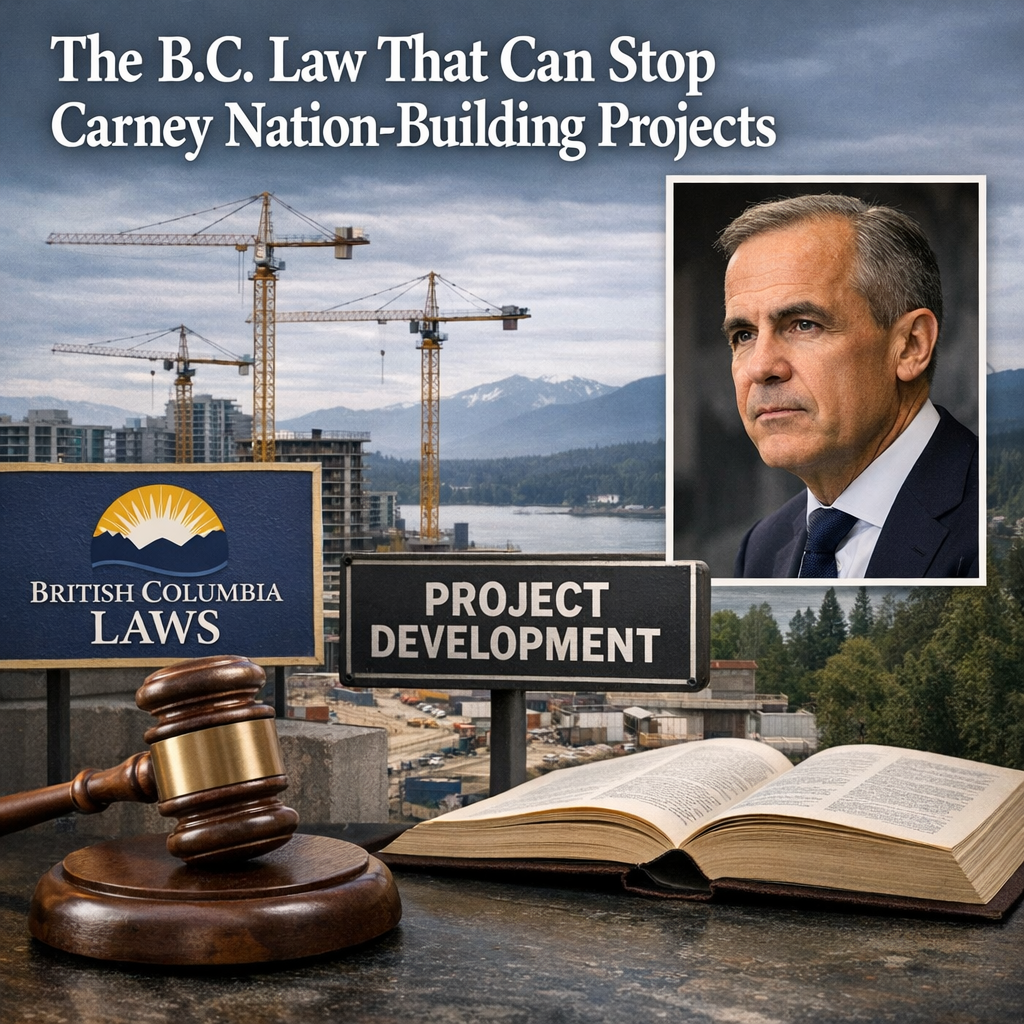
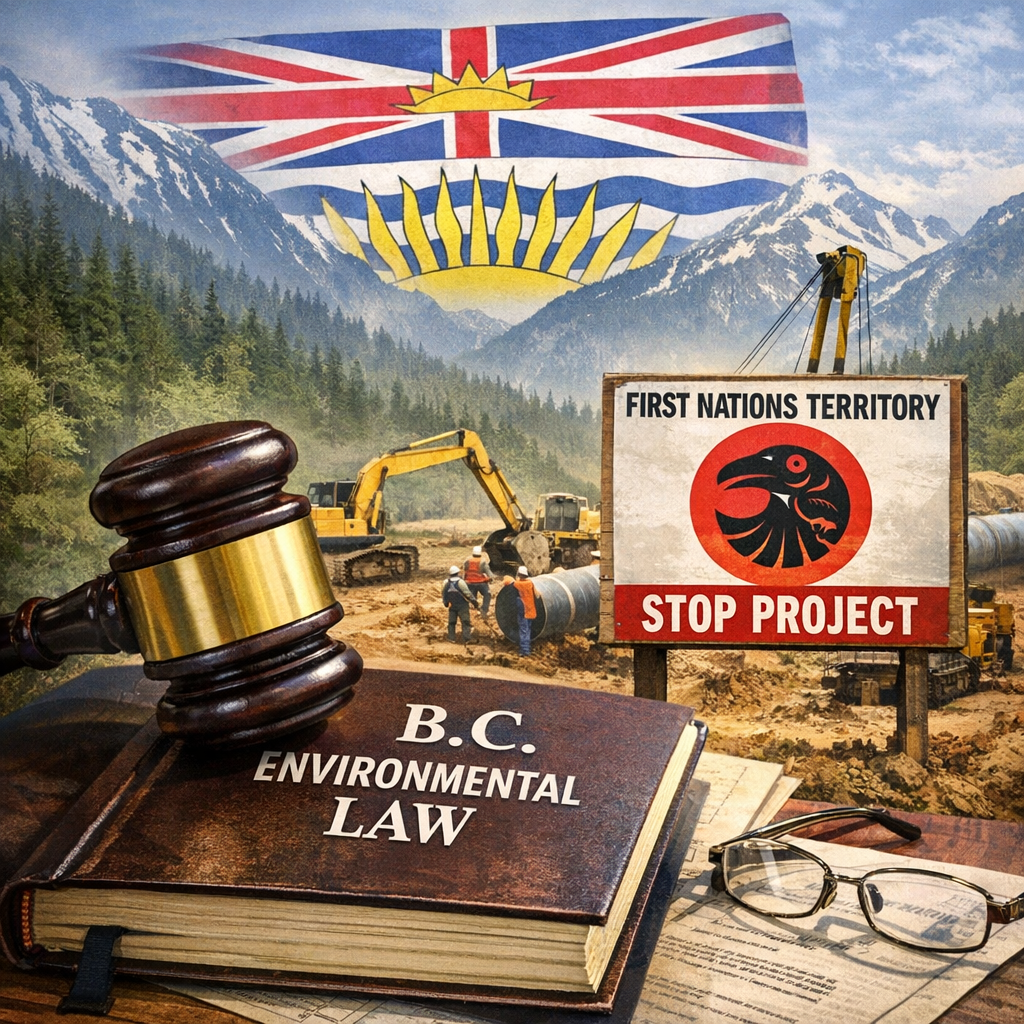
A major legal and political debate is taking shape around laws that would give First Nations a much stronger say over resource and development projects, especially in British Columbia. At the heart of the issue is whether governments can move ahead with major decisions after consulting Indigenous communities, or whether some projects would effectively require Indigenous approval before proceeding. Supporters say this shift is needed to respect Indigenous rights and bring decision-making closer to the standards set out in the United Nations Declaration on the Rights of Indigenous Peoples. Critics warn it could create uncertainty for governments, businesses and workers if the rules are not clearly defined.
For Canadian readers, this matters well beyond courtroom arguments or provincial politics. Rules around Indigenous consent can affect whether mines, pipelines, hydro projects, housing developments, roads and other infrastructure move ahead, are delayed, or are redesigned. That has direct consequences for jobs, electricity costs, investment, regional development and the pace of major projects that many communities rely on. It also affects how provinces, Ottawa, municipalities and private companies plan long-term growth in a country where reconciliation and economic development increasingly intersect.
What to watch next is whether courts, lawmakers or governments provide a clearer definition of how consent works in practice. A key question is whether future policies will create a legal standard that amounts to a veto, or a stronger framework for negotiation and accommodation without giving one side absolute power. Readers should also watch how other provinces respond, because any precedent set in British Columbia could influence legislation, regulatory decisions and project planning across Canada.
The broader context is rooted in decades of legal change involving Aboriginal and treaty rights in Canada. Courts have long said governments have a duty to consult Indigenous peoples when decisions may affect their rights and title, but they have not generally framed that duty as an automatic requirement to obtain agreement in every case. At the same time, the push to align Canadian laws with the UN declaration has increased pressure on governments to secure “free, prior and informed consent” from Indigenous communities before proceeding with major actions that affect them. That phrase has become one of the most debated concepts in Canadian public life because supporters see it as essential to reconciliation, while opponents worry it could undermine investment certainty if translated too broadly into law.
In British Columbia, this debate has taken on outsized importance because the province has moved further than most in bringing the UN declaration into its legal framework. That has raised difficult questions about how existing Canadian law, constitutional protections and provincial legislation fit together. Many First Nations view these reforms as a long-overdue correction to a system that historically allowed governments and companies to develop land and resources with little regard for Indigenous interests. From that perspective, stronger consent rules are not about stopping development altogether but about ensuring Indigenous nations are true decision-makers on their own territories.
Those who are uneasy about the direction of the law argue that there is a real difference between meaningful consultation and a practical veto. In their view, if a province cannot approve a project without the agreement of affected First Nations, investors may hesitate to commit money to large projects whose timelines already stretch over many years. Business groups often say uncertainty is as damaging as an outright no, because companies need to know what legal tests they must meet and who has final authority. This concern is especially sharp in sectors such as mining, forestry, energy and transportation, where Canada competes globally for capital and where project approvals often involve multiple regulators.
Still, many Indigenous leaders and legal scholars say the word “veto” can oversimplify what is actually being proposed. They argue that consent-based decision-making is more likely to produce durable agreements, avoid conflict and reduce the risk of costly litigation or project shutdowns later on. In practical terms, early partnership can mean revenue sharing, environmental safeguards, co-management arrangements, route changes, or entirely new project designs that better reflect local priorities. For communities that have experienced generations of imposed decisions, this approach is seen as both a legal necessity and a more stable model for development.
Canadian institutions are already feeling the pressure to adapt. Provincial governments must consider how to draft laws that respect Indigenous rights without creating a system so unclear that approvals grind to a halt. Federal policymakers face similar challenges, particularly as Ottawa tries to accelerate critical-minerals projects, clean-energy infrastructure and housing-enabling development while also advancing reconciliation. Courts may eventually have to sort out where consultation ends and consent begins, especially if governments pass laws that appear to grant a stronger blocking power than current case law clearly supports.
For everyday Canadians, the effects may show up slowly but materially. Delays or disputes around natural resource projects can influence government revenues, local employment and the supply chains tied to construction and manufacturing. Major infrastructure decisions can affect housing growth, electricity reliability and the cost of living in communities that need roads, transmission lines, ports or industrial development. On the other hand, stronger Indigenous participation can also lead to better local outcomes, more predictable long-term partnerships and a fairer distribution of benefits from projects built on traditional territories.
Another reason this story resonates nationally is that British Columbia often acts as a testing ground for larger legal and political shifts in Canada. If a court or government there settles on an interpretation of Indigenous consent that is seen as workable, other provinces may follow with their own reforms. If the opposite happens and the result is years of uncertainty, that too will shape national policy debates. Premiers, Indigenous governments, industry leaders and Ottawa will all be watching closely because the outcome could redefine how major decisions are made across the country.
The underlying tension is not new: Canada is trying to reconcile constitutional Indigenous rights with a modern economy that depends on timely public decisions. The old model, in which governments largely controlled the process and Indigenous communities fought for a voice after the fact, is increasingly difficult to defend legally, politically and morally. But the new model is still being built, and no one has fully settled how to balance shared decision-making with the need for clear rules. That is why this issue carries consequences far beyond B.C. and why the next legal or political step could have lasting effects on resource policy, reconciliation and economic confidence across Canada.
Follow Canada News Media
Get the day's top Canadian stories and our two daily 60-second news videos wherever you scroll.
X Threads Facebook Instagram LinkedIn TikTok YouTube Pinterest Reddit Substack Flipboard Newsletter RSS