

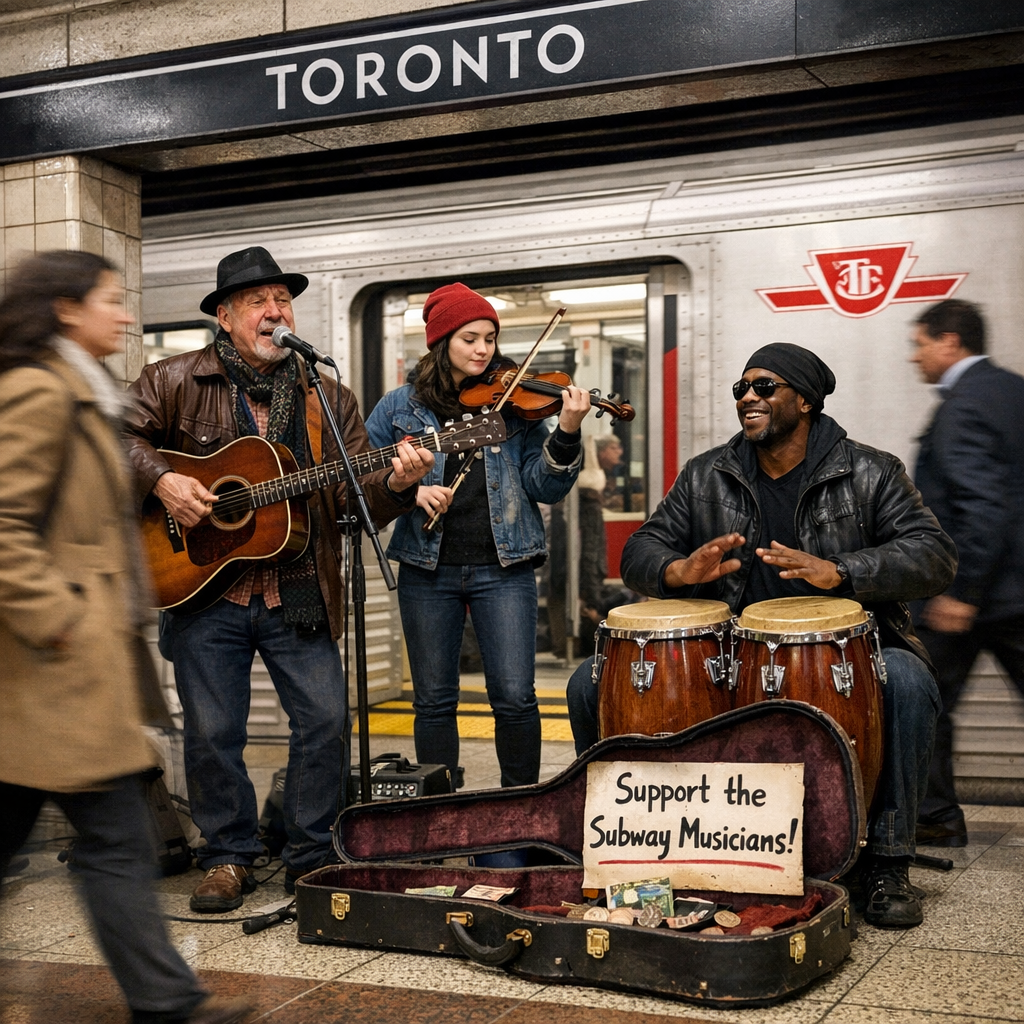
Toronto’s subway musicians are getting a fresh moment in the spotlight as the long-running TTC busker program continues to shape the sound of daily commuting across the city. The program, which began more than four decades ago, now features 89 approved performers playing at 29 subway stations, turning routine trips into small live-music experiences. For many riders, these performances add warmth, energy, and a sense of community to otherwise hurried travel. The story is not just about entertainment underground, but about how public space can support local artists and make city life feel more human.
For Canadian readers, the TTC’s music program says something larger about how cities here use public infrastructure. Transit systems are often discussed in terms of delays, funding, crowding, and expansion, but this program shows they can also serve as cultural spaces that reflect local talent. In Toronto, one of Canada’s busiest and most diverse cities, subway performers help mirror the mix of communities that ride the system every day. The program also highlights a practical issue for artists across Canada: finding affordable, visible places to perform in expensive urban centres is increasingly difficult, and transit stations can offer a rare connection to broad public audiences.
What comes next will likely depend on how the TTC balances safety, rider experience, and support for artists as the city grows. Riders may also see continued interest in how public transit can do more than move people, especially as agencies look for ways to improve public satisfaction. There could be more discussion around expanding cultural programming, refreshing audition processes, or ensuring the stations selected for performances still work well for commuters and musicians alike.
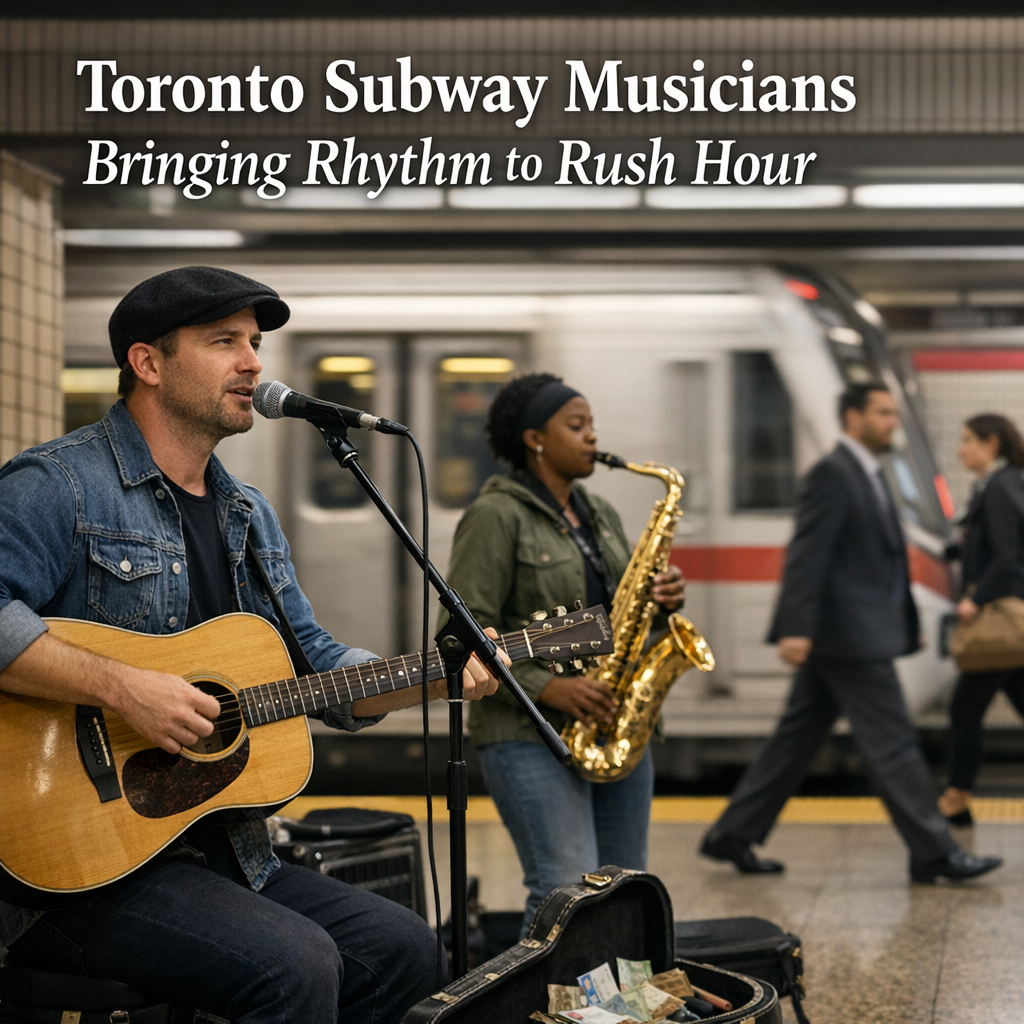
The TTC’s busker program has been part of Toronto life for more than 45 years, making it one of the city’s most familiar grassroots arts traditions. Musicians who take part are not simply showing up and playing wherever they choose; they typically earn their place through an audition process, which gives the program a level of structure and quality control. The selected artists perform in designated areas at subway stations, where acoustics, foot traffic, and safety rules all shape the experience. Over time, these performances have become part of the rhythm of the city, offering everything from classical violin to folk, jazz, world music, and contemporary pop to commuters on the move.
For many Torontonians, hearing live music in the subway is a small but meaningful part of daily life. A familiar song at the end of a long workday or a lively instrumental during the morning rush can shift the mood of a station in an instant. That matters in a large urban system where transit can often feel impersonal and stressful. The presence of musicians helps create moments of pause in spaces usually defined by speed, noise, and routine.
The program also matters because it gives working musicians access to one of the most valuable things in the arts world: an audience. In a city where venue costs can be high and competition for performance space is intense, TTC stations offer exposure to thousands of people each day. Some riders pass by without stopping, but others slow down, listen, record a clip, or drop money into an instrument case. For emerging artists, that kind of visibility can be more important than many people realize, especially when building a fan base now often depends on a mix of live performance, social media, and word of mouth.
There is also a strong civic argument for keeping programs like this healthy. Canadian cities often invest heavily in major arts institutions such as concert halls, theatres, and festivals, but public-space arts programming can reach people who may never buy a ticket or attend a formal event. A subway station is one of the few places where people from all income levels and backgrounds reliably cross paths. That makes transit-based music one of the most democratic cultural experiences a city can offer. It is casual, accessible, and woven directly into everyday life.
Toronto’s scale makes the TTC a particularly powerful setting for this kind of cultural program. With millions of rides taken across the system each week, even a short performance can reach a broad cross-section of the population. For visitors, the music can make the city feel welcoming and lively. For residents, it can reinforce a sense of local identity at a time when many public conversations about transit focus on service complaints or infrastructure pressures.
The fact that 89 musicians are spread across 29 subway stations also shows the program has both reach and limits. Not every station hosts performers, and not every artist has equal access to the busiest or most acoustically favourable spots. That raises ongoing questions about fairness, scheduling, and how the TTC chooses locations. As the city changes and ridership patterns shift, transit officials may need to review whether the current setup still reflects where musicians can thrive without causing crowding or safety concerns.
There is a broader Canadian context here as well. Across the country, cities are trying to recover and redefine public life after years of disruption, inflation, and pressure on household budgets. Free cultural experiences in shared spaces have become more important, especially for people cutting back on paid entertainment. Subway music is not a replacement for funding the arts, but it is one visible reminder that culture does not belong only inside formal institutions. It can live in corridors, platforms, and station entrances where ordinary life unfolds.
That is why this story resonates beyond Toronto. It points to a version of city-building that values atmosphere as much as efficiency and understands that public services can also support creativity. A transit ride may begin as a practical necessity, but the sound of a guitar, saxophone, or cello can briefly turn it into something memorable. In a fast-moving city, those moments still matter.
Follow Canada News Media
Get the day's top Canadian stories and our two daily 60-second news videos wherever you scroll.
X Threads Facebook Instagram LinkedIn TikTok YouTube Pinterest Reddit Substack Flipboard Newsletter RSS