



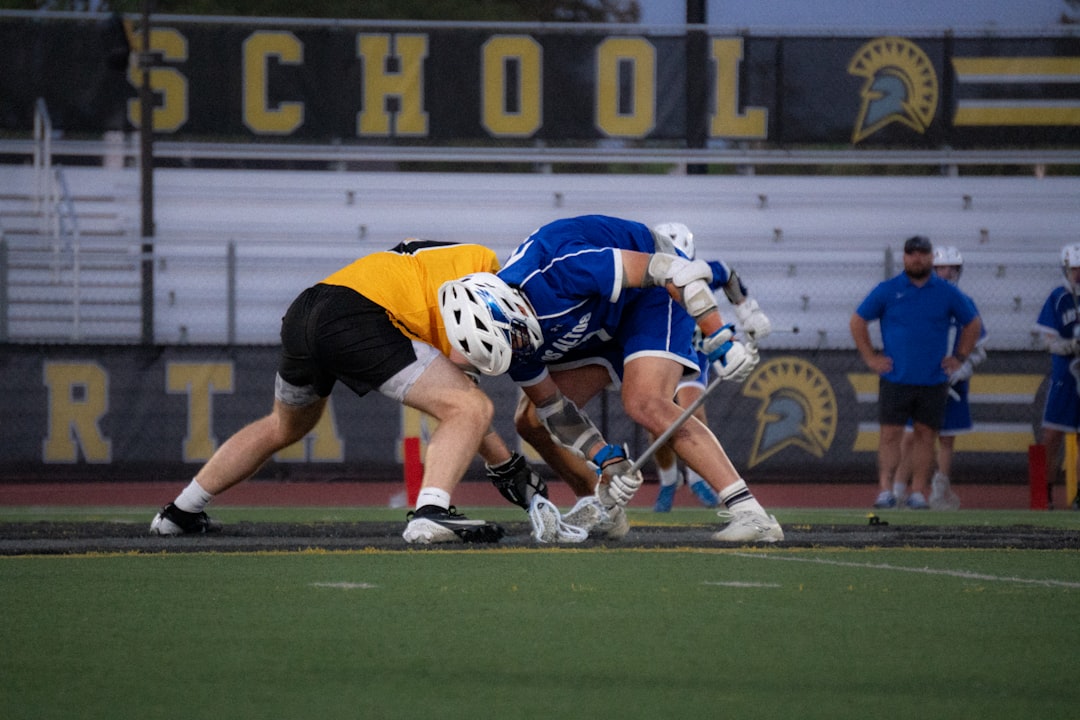
The Saskatchewan Rush are heading into the National Lacrosse League playoffs with momentum after closing the regular season by beating the Toronto Rock, the same team they will now face in the opening round. It was the kind of finish teams hope for at this time of year: a confidence-building win, a reminder of what works, and a chance to sharpen details against a familiar opponent. Returning home after that result, the Rush can prepare with a clearer sense of how they want to attack the matchup. For fans, it sets up a playoff series with built-in tension, recent history, and plenty of reason to believe the opening round could be tightly contested.
For Canadian readers, this story matters because lacrosse is not just another sport on the calendar; it is part of the country’s cultural fabric and has deep roots in communities across Canada. A playoff meeting between clubs from Saskatchewan and Toronto draws interest well beyond the two markets, especially as fans look for Canadian teams to make a strong run in a league where the game remains a major part of national sports identity. There is also a real local impact when a team enters the post-season on a high, from stronger fan turnout and downtown activity on game nights to increased attention on minor lacrosse programs inspired by the spotlight. In Saskatchewan, where community pride often gathers around local teams, a meaningful home playoff push can become a shared event that stretches from sports bars and living rooms to youth arenas and schoolyard conversations.
What comes next is straightforward, but it will not be easy: the Rush must now turn one encouraging result into a complete playoff performance against a Toronto team that will be highly motivated to respond. The key question is whether Saskatchewan can repeat the discipline and execution that worked in the regular-season finale once the stakes rise and every possession matters more. Readers should watch for early-game tempo, special teams, and goaltending, all of which often decide tight NLL playoff contests.
To understand why this matchup has drawn attention, it helps to remember how different the post-season can be from the regular season. A team may solve an opponent one week, only to face a completely different style and intensity when elimination is on the line. Coaches shorten benches, defensive pressure increases, and small mistakes become more costly. That is especially true in box lacrosse, where momentum can swing quickly and a strong quarter or even a short run of goals can change the course of a game.
The Rush’s late-season win over Toronto gives Saskatchewan something valuable, but not something permanent. It offers proof that the Rock can be beaten and provides useful film for the coaching staff, yet it does not guarantee anything once the playoffs begin. Toronto remains one of the league’s most recognizable franchises and has enough talent and structure to make adjustments quickly. That means Saskatchewan’s challenge is not simply to repeat the last game, but to anticipate how the Rock will counter and to respond before the series turns.
For Saskatchewan, the timing of this result could hardly be better. Teams entering the playoffs often talk about wanting to play their best lacrosse at the end of the regular season rather than peaking too early. A strong closing performance can steady nerves, clarify roles, and reinforce habits that are easy to trust under pressure. If the Rush felt they were building toward something in recent weeks, beating their first-round opponent right before the post-season would only strengthen that belief.
There is also a psychological layer to a rematch like this. When two teams meet in quick succession, the previous game inevitably shapes preparation, media coverage, and fan expectations. Saskatchewan can draw confidence from recent success, but it must also guard against complacency. Toronto, on the other hand, can use the loss as fuel and may arrive sharper, more physical, and more determined to erase the memory of that defeat.
Canadian fans who follow the NLL know that playoff lacrosse often rewards balance more than star power alone. Offence matters, of course, but championships usually demand reliable transition play, disciplined defending, and timely saves. If the Rush are to turn this opportunity into a deeper run, they will need contributions across the floor rather than relying on one hot stretch from a few scorers. That kind of complete effort is often what separates a team that wins one round from a team that becomes a serious contender.
The home element could also be significant. Saskatchewan supporters have a reputation for creating an energetic atmosphere, and in a sport as emotional and fast-paced as lacrosse, crowd energy can make a difference. A loud building can lift a team after a big hit, a key stop, or a momentum-changing goal, while also adding pressure to the visitors during critical possessions. In playoff sport, those details matter more because nerves are tighter and margins are thinner.
This game also lands at a moment when Canadian lacrosse continues to fight for attention in a crowded sports market. Hockey may dominate much of the national conversation, but playoff lacrosse has its own devoted following and a style that appeals to fans who enjoy speed, contact, and constant action. Matchups like Rush versus Rock help showcase the strength of the Canadian presence in the NLL and remind audiences that the country remains central to the sport’s growth and identity. A competitive first-round battle can only help raise visibility for the league and for the athletes who play a game that means a great deal to many communities across the country.
From a broader perspective, the Saskatchewan-Toronto meeting is a reminder of how quickly a season can narrow into a single test. Months of work now come down to execution against one opponent that both sides know well. The Rush have earned the right to approach this round with confidence, but the playoffs demand more than confidence alone. They demand composure, adjustments, and the ability to handle momentum swings without losing structure.
As the opening round approaches, Saskatchewan appears to have given itself a genuine chance to make noise. The regular-season ending was encouraging, the matchup is familiar, and the emotional lift of beating Toronto just before the playoffs should not be dismissed. Still, the Rush will know that playoff success in the NLL is rarely handed to anyone, especially against an opponent with Toronto’s pedigree. For Canadian fans, that uncertainty is exactly what makes this series worth watching.
Follow Canada News Media
Get the day's top Canadian stories and our two daily 60-second news videos wherever you scroll.
X Threads Facebook Instagram LinkedIn TikTok YouTube Pinterest Reddit Substack Flipboard Newsletter RSS