

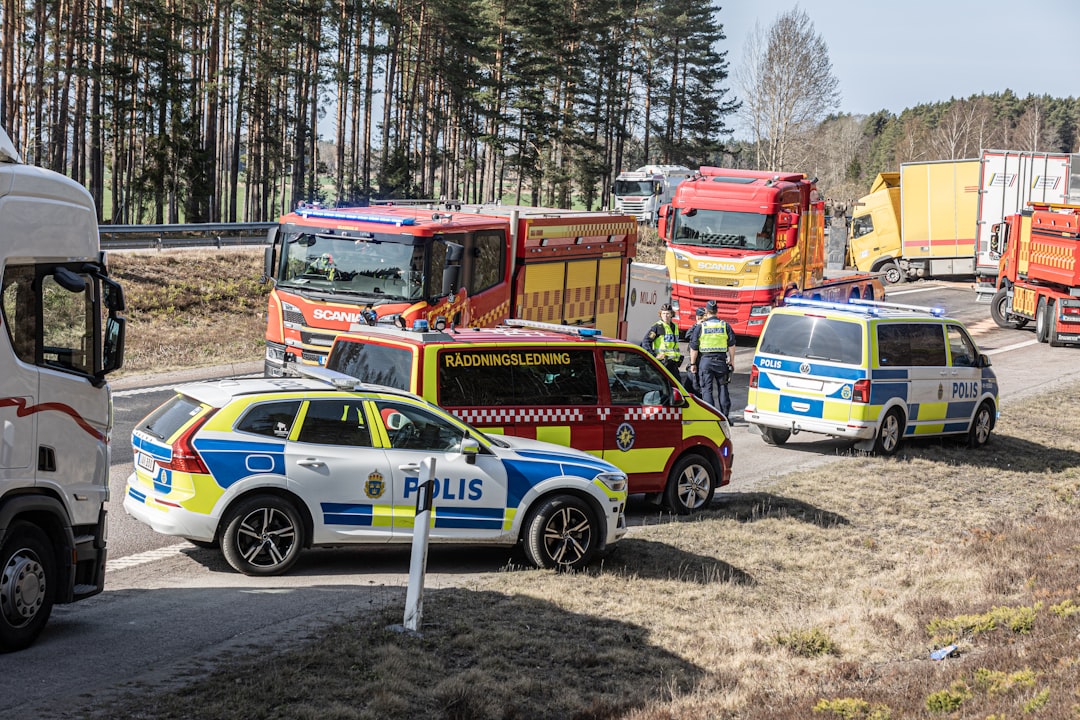
A speeding stop on Highway 1 near Field, B.C., turned serious when police moved to impound a Mercedes after it was allegedly caught travelling far above the posted limit. The incident happened on Dec. 8, 2023, while a BC Highway Patrol officer was working alongside a tow truck operator in the mountain corridor west of Field. What began as a traffic enforcement stop quickly became a reminder of how dangerous excessive speed can be on one of Canada’s most important routes through the Rockies. For drivers heading through southeastern British Columbia, the case highlights how quickly a winter highway trip can go wrong when speed and mountain conditions collide.
For Canadians, this kind of enforcement matters well beyond one driver and one vehicle. Highway 1 is a vital national transportation link used by families, tourists, and commercial traffic, and risky driving on that route can affect safety, travel times, and emergency response resources for everyone else on the road. In winter especially, drivers in B.C. and across Canada are expected to adjust to changing road, weather, and visibility conditions, not simply follow the speed limit when conditions are poor. The story also reflects a broader public safety message from police and road agencies: aggressive driving creates risks not only for the person behind the wheel, but for passengers, road workers, tow truck crews, and first responders.
What comes next will depend on the details of the investigation and any penalties tied to the alleged speeding offence. Drivers can also expect continued patrols and enforcement on major highways through the winter season, especially in regions where weather, terrain, and high traffic volumes make collisions more likely. Cases like this often serve as a warning that police are actively watching for excessive speed, impaired driving, distracted driving, and other behaviours that raise the risk of serious crashes.
To understand why this matters, it helps to look at the setting. The stretch of Highway 1 near Field runs through a mountainous area close to the Alberta-B.C. boundary, where road conditions can shift quickly because of snow, ice, narrow corridors, heavy truck traffic, and changing elevation. Even experienced drivers can underestimate braking distance and reaction time in the Rockies, particularly during colder months when black ice and compact snow may not be obvious. British Columbia has strict consequences for excessive speeding, including fines, possible licence-related penalties, and vehicle impoundment in certain situations. Tow truck operators are also frequently placed in harm’s way on busy roads, which is why Canadian police and transportation agencies regularly stress the need for slower speeds and extra caution around roadside incidents.
The Dec. 8 stop is also part of a larger Canadian conversation about driving culture and accountability. Across the country, police services have continued to stress that speed remains one of the biggest factors in severe and fatal collisions, even as vehicles become more advanced and roads are better monitored. Many motorists still assume that a powerful vehicle, clear pavement, or a familiar route reduces the danger, but enforcement cases continue to show that excessive speed can erase a driver’s margin for error in seconds. On mountain highways, that margin is often even smaller because curves, wildlife, transport trucks, and sudden weather changes leave little room to recover from a mistake.
For people planning to travel through the Kicking Horse Pass area or other parts of the Trans-Canada corridor, this story is a practical reminder to check forecasts, road reports, and advisories before leaving. DriveBC updates, Parks Canada notices, and local weather warnings can all help motorists make smarter decisions about departure times, routes, and safe driving speeds. It is also a good time to review winter readiness basics, including proper tires, full washer fluid, emergency supplies, and enough distance between vehicles. In a province where one highway incident can cause major delays or closures, safer driving helps protect not only individual travellers but the broader flow of goods and people.
Police enforcement around excessive speed often attracts attention because of the dramatic numbers involved, but the wider issue is prevention. Officers are trying to stop high-risk behaviour before it leads to a rollover, a head-on crash, or a chain-reaction collision that closes a key route for hours. When an impoundment happens, it sends a message that dangerous driving has immediate consequences, not just legal ones that show up later in court or on an insurance bill. That message is especially relevant during holiday travel periods, ski season, and other busy times when Canadian highways see heavier volumes and more out-of-province traffic.
The involvement of a tow truck operator in this case is another important detail. Across Canada, tow crews work close to moving traffic in stressful and often hazardous conditions, and they depend on drivers to slow down and stay alert. A speeding vehicle passing too close to a roadside scene can put those workers at extreme risk, whether they are helping police, clearing a crash, or assisting a stranded motorist. For many readers, that is the most relatable takeaway: dangerous driving does not happen in isolation, and the consequences can spread quickly to people simply doing their jobs.
Ultimately, the Highway 1 incident near Field is not just about one Mercedes or one enforcement stop. It reflects the reality of winter driving in Canada, where road safety depends on judgment, patience, and respect for conditions as much as posted limits. For Canadian readers, the lesson is straightforward: slow down, especially in mountain corridors, because the cost of pushing too hard can be immediate and serious. As patrols continue across B.C.’s major routes, drivers have another clear reminder that arriving safely matters more than arriving a little sooner.
Follow Canada News Media
Get the day's top Canadian stories and our two daily 60-second news videos wherever you scroll.
X Threads Facebook Instagram LinkedIn TikTok YouTube Pinterest Reddit Substack Flipboard Newsletter RSS