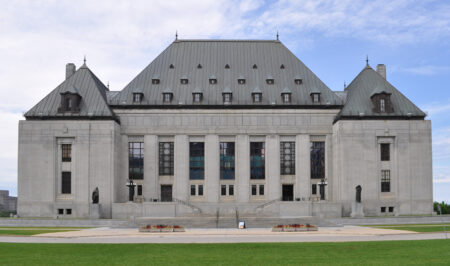




A B.C. Supreme Court justice has cleared former Abbotsford police officer and South Asian community leader Kash Heed Sahota of three criminal charges tied to allegations of assault, sexual assault and unlawful confinement. In her ruling, released Monday, the judge said the Crown had not proven the case beyond a reasonable doubt, even though she also found parts of Sahota’s testimony difficult to accept. The decision highlights how criminal courts can acquit when the evidence does not meet the high legal threshold required for conviction. The case had drawn attention because of Sahota’s public profile and the serious nature of the allegations.
For Canadian readers, the ruling is another reminder of how the justice system handles criminal cases involving credibility, conflicting testimony and the presumption of innocence. Courts across Canada must decide not whether an allegation might be true, but whether the evidence proves guilt beyond a reasonable doubt, which is a much stricter standard. For victims, accused people and the public, that can lead to outcomes that feel unsatisfying or confusing, especially when a judge openly says they did not fully believe an accused person’s account. The case also matters in B.C. because it touches on public trust in policing, community leadership and the legal process when prominent local figures face serious accusations.
What comes next will likely depend on whether Crown prosecutors review the ruling for any possible appeal. Appeal courts do not retry cases, but they can look at whether the trial judge made a legal error in applying the law or assessing the evidence. Even if there is no appeal, the acquittal may continue to prompt discussion in Abbotsford and beyond about accountability, trauma-informed justice and how courts weigh testimony in intimate-partner and sexual assault cases.
The broader context is important. In Canadian criminal law, an acquittal does not necessarily mean a judge believes every part of the accused person’s story or that the complainant was lying. It means the Crown failed to remove reasonable doubt based on the full evidence before the court. Judges are often asked to assess memory gaps, inconsistencies, delayed reporting and the effects of stress or trauma, all of which can complicate how testimony appears in court. Cases involving well-known community figures can draw even more scrutiny because they sit at the intersection of legal standards, public expectations and the reputational fallout that can continue long after a verdict is delivered.
Follow Canada News Media
Get the day's top Canadian stories and our two daily 60-second news videos wherever you scroll.
X Threads Facebook Instagram LinkedIn TikTok YouTube Pinterest Reddit Substack Flipboard Newsletter RSS