


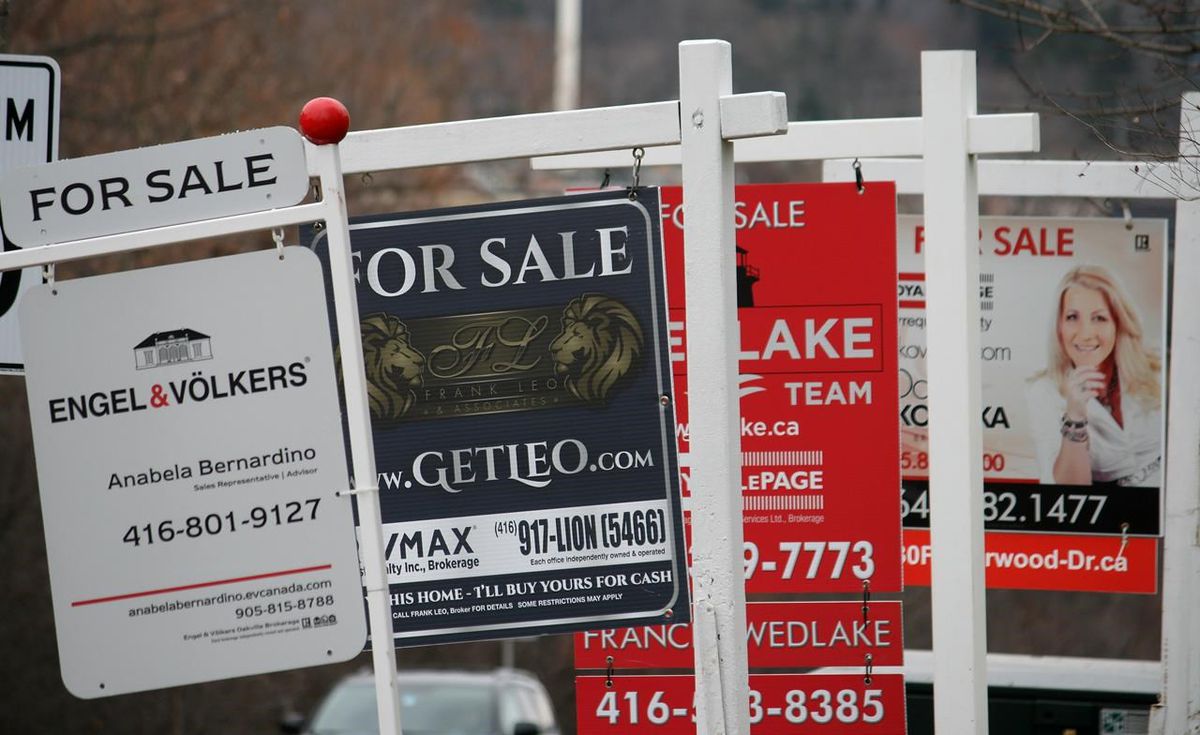
As the Canadian housing market takes a turn for the worse, once eager homebuyers are now jaded, tapped out, and, well, not buying.
Housing prices hit their peak in February of 2022 at a daunting $816,720 and dropped to $711,000 in May 2022 – Per MLS® Systems report.
Those that bought during the peak might be kicking themselves now, but are they to blame? And was it really a mistake?
In the months leading up to the housing market peak, several signs indicated the market would continue growing, albeit less vigorously. This led many industry professionals and homebuyers to bite the bullet and throw their hats in the ring.
A Nanos Research poll showed that in February of 2022, spirits were high among homeowners, as 64% of those surveyed predicted their home values would go up over the next six months. This is the highest recorded level since this question was first asked in 2008.
Talk about adding insult to injury.
But we can’t blame Canadians for their ill-fated optimism. The desire to buy and own property is deeply woven into the fabric of Canadian society. Passed from generation to generation, societal pressure to own a hard asset flourished, even in the face of sky-high prices.
In many cultures, take southern Europe, for example, it’s common for young people to live in their family until they marry or even well into their 30s. This norm is partly due to economic constraints but is a socially accepted practice.
In Canada, however, we know this is not the case. The belief in homeownership is so pervasive that parents are willing to put their own finances on the line.
A study from CIBC reports that mom and pop banks are contributing an average of $82,000 to their first-time home buyer offspring. This is an impressive $30,000 more than the average gift in 2015.
The thing we have to consider with these financial gifts is how first-time homebuyers are using them. Do they see these contributions as a way to lower their mortgage loan and monthly payments? Or a way to access larger loan amounts to get that bigger and better property they couldn’t have afforded otherwise?
Think about what that can do to the market on a macro scale.
If societal pressures aren’t enough, it doesn’t help that rent prices overtook the average monthly mortgage payment in 2022.
In Q4 of 2021, the average monthly mortgage payment shot up 3% to $1390 – a 3% jump from the last quarter. This is a pricey climb, but still not as costly as rent. Q4 2021 rent was an average of $1473/month for a one-bedroom and $1,820/month for a two-bedroom.
For many Canadians, the choice to buy at the peak came down to a matter of gaining equity versus padding their landlord’s wallet.
A few points to consider:
- New constructions are rising in Canada, but labour shortages will delay a boom.
- Rising interest rates do not offset falling prices. It is still more expensive to buy now than this time last year.
- Falling housing prices are beneficial to the economy and the country as a whole.
Follow Canada News Media
Get the day's top Canadian stories and our two daily 60-second news videos wherever you scroll.
X Threads Facebook Instagram LinkedIn TikTok YouTube Pinterest Reddit Substack Flipboard Newsletter RSS