


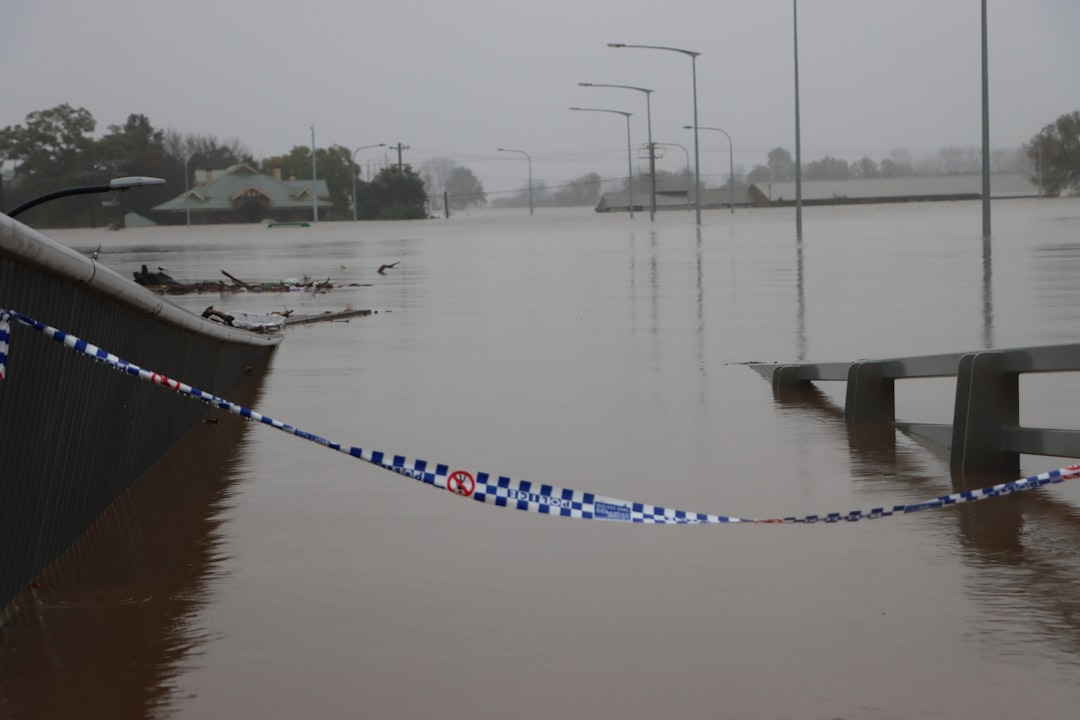
Montreal-area officials have shut the Île-Bigras bridge to vehicle traffic after rising water on the Rivière des Prairies pushed conditions beyond a safe operating level. People on foot can still cross for now, but drivers are being told to use alternate routes until crews determine the bridge can safely reopen. The closure comes as spring runoff and changing water levels continue to pressure infrastructure in communities near rivers and low-lying shorelines. Local authorities are monitoring the situation closely and say the restrictions will stay in place until water conditions improve.
For Canadian readers, this kind of disruption is a reminder of how quickly weather and water conditions can affect daily life, especially in Quebec and other provinces where spring thaw can bring flooding concerns. A bridge closure can mean longer commutes, delayed deliveries, school and work travel changes, and added pressure on nearby roads and transit options. It also highlights the growing importance of maintaining local infrastructure that must withstand more frequent swings in weather, from heavy rain to rapid snowmelt. For residents in island and waterfront communities, access can shift from routine to uncertain in a matter of hours, making emergency planning and timely public updates especially important.
In the coming days, residents will be watching for updated water-level readings and engineering assessments that could determine when vehicle traffic can resume. Officials may also issue new traffic guidance if conditions worsen or if nearby routes see increased congestion. Much will depend on weather patterns, river flow, and whether the water begins to recede enough to reduce strain on the crossing.
The bridge serves Île Bigras, one of the islands in the Laval area north of Montreal, where local connections are vital for residents, visitors, and service vehicles. The Rivière des Prairies, which separates Laval from the Island of Montreal, is known for fluctuating water levels during seasonal transitions, especially in spring when melting snow and rain can combine to raise flows quickly. Across Canada, municipalities routinely face similar challenges as aging roads, bridges, and flood-control systems are tested by severe weather and changing climate patterns. Temporary closures like this are often precautionary, but they can still have an outsized impact on smaller communities that rely on limited access points.
A vehicle closure on the Île-Bigras bridge is more than a local inconvenience because it affects the rhythm of everyday life for people who depend on predictable access. Residents heading to work, parents driving children to school or activities, and businesses waiting on supplies may all need to adjust plans with little notice. Even when pedestrian access remains open, the loss of vehicle traffic can create significant barriers for seniors, people with mobility issues, delivery drivers, and anyone who relies on a car for essential travel. Emergency responders and municipal planners also have to consider whether alternate routes can handle increased demand if the shutdown lasts longer than expected.
For many Canadians, especially those in Quebec, Ontario, Manitoba, and New Brunswick, spring flooding is a familiar seasonal risk. Rivers can rise rapidly after a warm spell, and heavy rain can make conditions even harder to predict. Municipal governments typically respond first with road advisories, flood watches, temporary barriers, and traffic restrictions designed to protect public safety before damage becomes more severe. In that sense, the closure near Laval fits a broader pattern seen across the country, where local officials must make quick decisions to balance access, safety, and infrastructure protection.
The decision to keep the bridge open to pedestrians while barring vehicles suggests officials believe limited use is still manageable, but not without caution. Vehicle traffic adds weight, vibration, and operational stress that may not be acceptable when water is high or moving quickly around support structures. By reducing that load, authorities can lower the immediate risk while preserving at least some connection for residents who need to cross on foot. Still, that solution is only partial, and if conditions deteriorate further, even pedestrian access could come under review.
Another issue Canadians may recognize is the challenge of communicating changing local risks in real time. Residents increasingly depend on municipal alerts, social media updates, and local news coverage to decide how to travel and whether it is safe to leave home. Clear, frequent communication becomes especially important when closures affect only some users, such as drivers but not pedestrians, because confusion can lead to unsafe choices. In smaller communities or island areas, a single bridge update can influence everything from public transit planning to local business hours.
What happens next will likely depend on a mix of hydrological data, site inspections, and short-term weather forecasts. If water levels drop and engineers are satisfied that the structure can safely handle vehicle loads, the closure could be lifted relatively quickly. If runoff continues or more rain arrives, residents should be prepared for a longer disruption and possible adjustments to neighbouring routes. Authorities may also use this event to review whether stronger flood-mitigation measures or future infrastructure upgrades are needed in the area.
The broader story is one many Canadian communities know well. Infrastructure that once handled seasonal changes with little trouble is now facing more frequent pressure from volatile weather, freeze-thaw cycles, and intense precipitation events. Bridges over rivers such as the Rivière des Prairies are crucial links, but they are also vulnerable when water levels rise and currents strengthen. For residents around Laval and beyond, this closure is both an immediate travel issue and a reminder that climate resilience, infrastructure investment, and local preparedness are becoming more central to everyday Canadian life.
Follow Canada News Media
Get the day's top Canadian stories and our two daily 60-second news videos wherever you scroll.
X Threads Facebook Instagram LinkedIn TikTok YouTube Pinterest Reddit Substack Flipboard Newsletter RSS