



A case of polio has been discovered in New York, marking the first time the disease has been reported in the U.S. in nearly a decade.
Here’s what you need to know about polio and how to protect yourself from the disease.
What is polio? How do you contract polio?
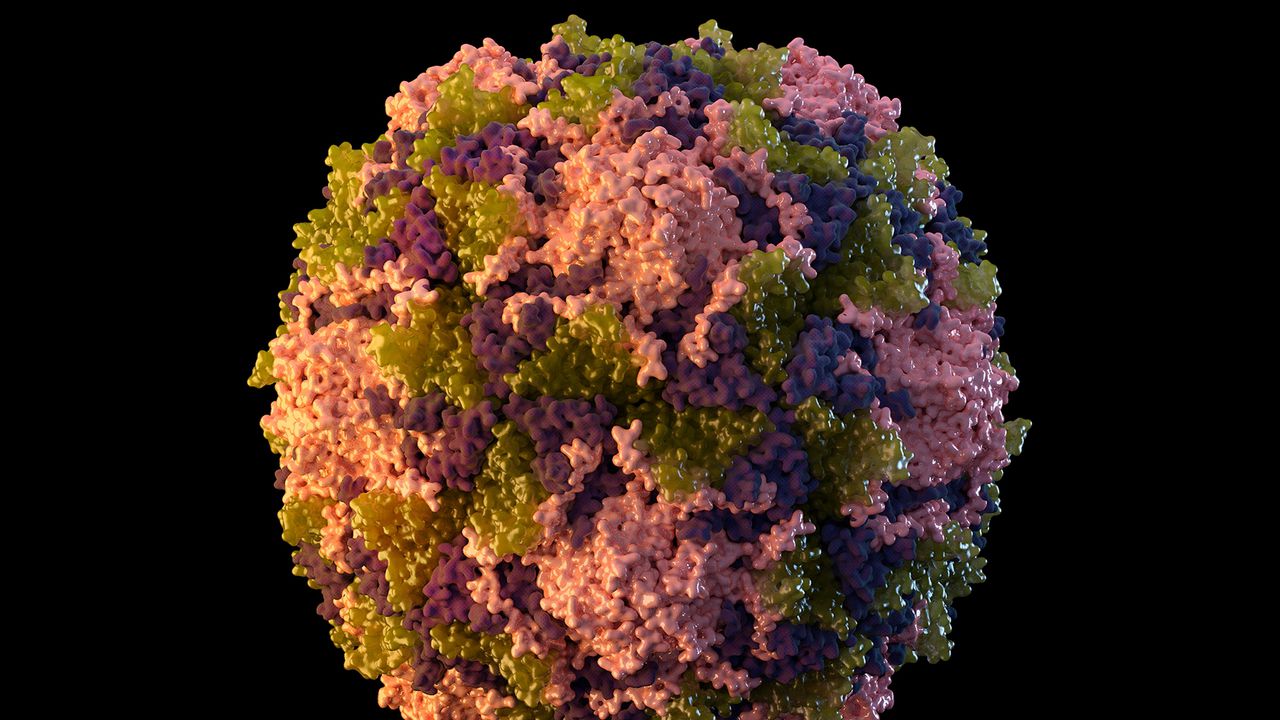
According to the Centers for Disease Control and Prevention (CDC), polio is a virus that can affect a person’s spinal cord, causing paralysis, which can lead to permanent disability and death.
Polio is a very contagious virus that is spread through person-to-person contact, and the virus often lives in a person’s throat or intestines.
Polio only infects people and is spread through the feces or droplets of a sneeze or cough from an infected person.
How do I protect myself from polio? Are polio vaccines still required in the U.S.?
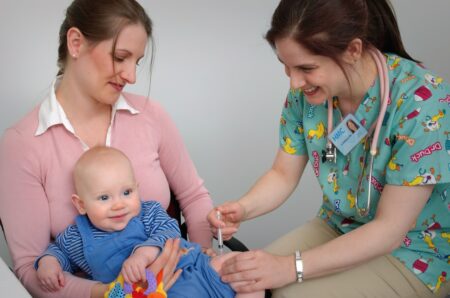
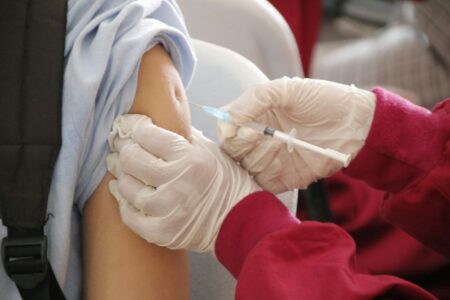
The CDC recommends that people should start getting vaccinated against polio starting as infants. The organization says people should be administered four shots starting at 2 months old, 4 months old, 6 through 18 months old and 4 through 6 years old.
Most adults do not need the polio vaccine because they were vaccinated as children. But there are some cases, according to the CDC, where some adults who are at-risk should consider getting vaccinated:
- If you are traveling to a foreign country with high risk of polio transmission
- You work in a laboratory and are handling specimens that contain the poliovirus
- You are a healthcare worker treating patients who might have polio, or you have close contact with someone who was infected with the poliovirus
The inactivated polio vaccine (IPV) is the only type of polio vaccine that is administered in the U.S.
What are the polio vaccination requirements for kids in New Jersey?
In New Jersey, children entering a daycare program or preschool must have a minimum of three doses of a polio vaccine by the time they turn 18 months old, according to the NJ Department of Health.
For kindergarten or first grade, children must have three to four doses of a polio vaccine. For second grade or higher, children must have a minimum of three doses.
However, students 18 years of age and older are exempt from this requirement.
Our journalism needs your support. Please subscribe today to NJ.com.
Katherine Rodriguez can be reached at [email protected]. Have a tip? Tell us at nj.com/tips.

Follow Canada News Media
Get the day's top Canadian stories and our two daily 60-second news videos wherever you scroll.
X Threads Facebook Instagram LinkedIn TikTok YouTube Pinterest Reddit Substack Flipboard Newsletter RSS