

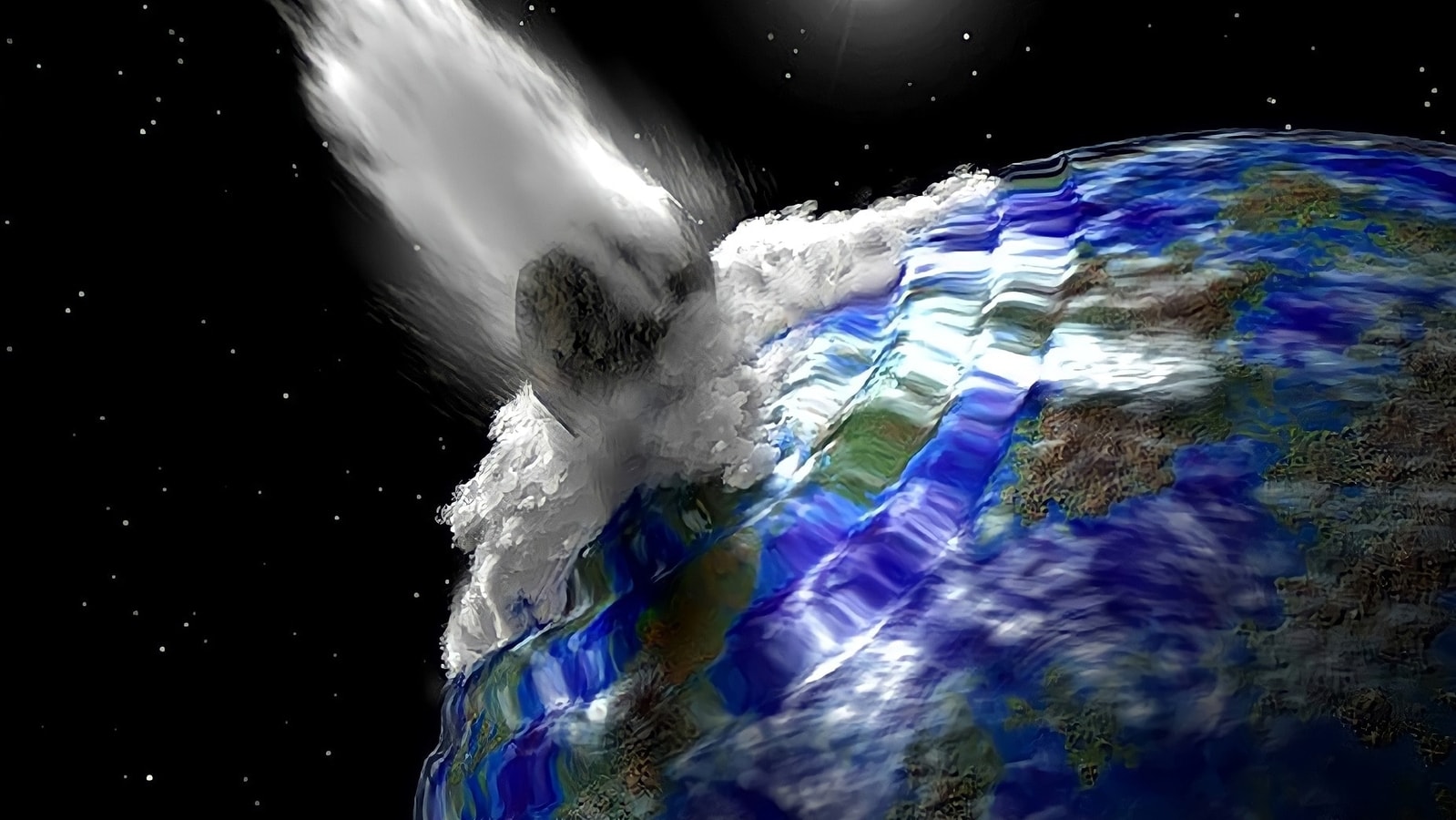
NASA has revealed that an asteroid crashed into the Earth on Saturday, November 19. Here’s where this asteroid hit Earth.
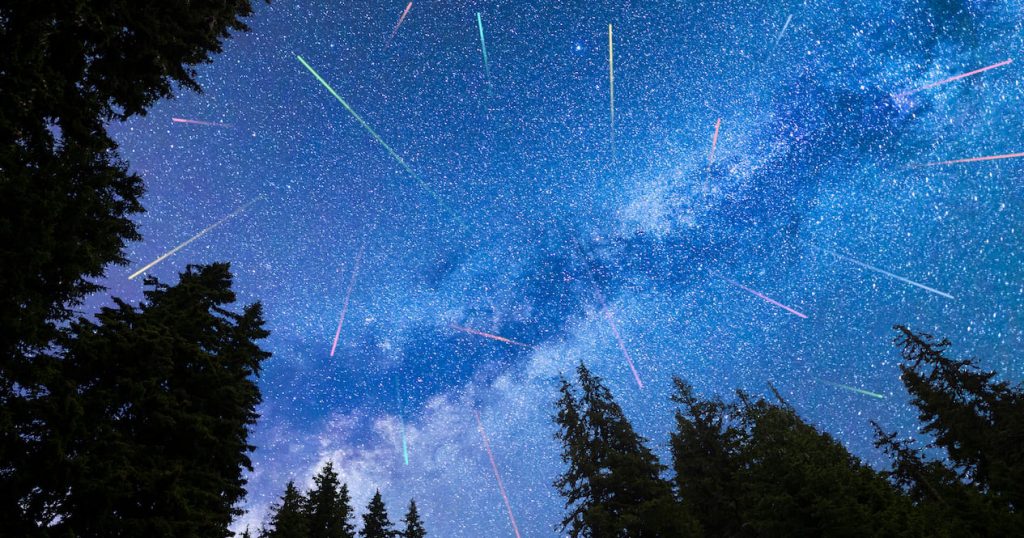
NASA has revealed that the asteroid lit up the sky as it flew over Southern Ontario, Canada on Saturday, November 19. What’s shocking is that this 3-foot asteroid was detected just 3.5 hours before impact! However, such small-sized asteroids do not pose a risk to the planet.
The tech that tracked the asteroid
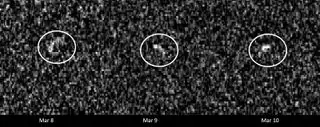
The asteroid was first spotted by NASA’s Catalina Sky Survey and the observations were then reported to the Minor Planet Center. NASA’s Scout impact hazard assessment system calculated the asteroid’s trajectory and possible impact sites by analyzing the data. Just minutes after getting the data, a 25 percent probability of hitting Earth’s atmosphere was calculated.
Shantanu Naidu, navigation engineer and Scout operator at JPL said in a NASA JPL blog, “Small objects such as this one can only be detected when they are very close to Earth, so if they are headed for an impact, time is of the essence to collect as many observations as possible.”
“This object was discovered early enough that the planetary defense community could provide more observations, which Scout then used to confirm the impact and predict where and when the asteroid was going to hit,” he added further.
Asteroid impact site
The possible impact sites ranged from the Atlantic Ocean off the East Coast of North America to Mexico. According to NASA, the asteroid is likely to have burned up upon entering the planet’s atmosphere and scattered small meteorites over the southern coastline of Lake Ontario.
Calculating the asteroid’s trajectory and impact site was a community effort with added inputs from amateur astronomers from the Farpoint Observatory in Eskridge, Kansas, who tracked the asteroid for more than an hour and provided the critical data required to accurately calculate the asteroid’s path and impact site.