




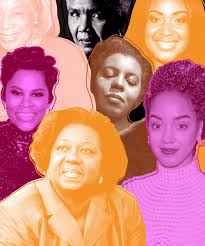
In the vibrant tapestry of Canada’s multicultural landscape, the echoes of equality are often muffled by the stark reality of employment disparities, especially for Black Canadian women. This article delves into the nuanced challenges faced by Black women in the Canadian job market, exploring the roots of these disparities, their multifaceted impact, and the voices rising against the injustice.
The Landscape of Disparities: A Statistical Snapshot
Despite Canada’s commitment to diversity and inclusivity, the statistics paint a troubling picture. Black women face higher unemployment rates than their white counterparts, a disparity that persists across various sectors and educational levels. According to Statistics Canada, in 2020, the unemployment rate for Black women was 12.5%, compared to 7.4% for white women.
Roots of Disparities: Understanding Systemic Barriers
1. Implicit Bias in Hiring Practices:
- “We have to confront the biases that are deeply embedded in hiring practices. Unconscious prejudices can affect decisions, and this is where systemic change needs to happen.” – Dr. Sarah James, Sociologist.
2. Lack of Representation in Leadership:
- “When you don’t see people who look like you in leadership roles, it can impact your aspirations. It’s not just about entry-level positions; it’s about the whole hierarchy of leadership.” – Sharon Lewis, HR Specialist.
3. Wage Gaps:
- “The gender pay gap is real, but when you factor in race, it becomes even more glaring. Black women often find themselves earning less for the same roles and responsibilities.” – Dr. Olivia Turner, Economist.
Impact on Career Trajectories: The Double Bind
1. Microaggressions and Everyday Challenges:
- “Microaggressions might seem small, but they accumulate. It’s the daily grind of proving yourself repeatedly, and that can take a toll on mental health.” – Jennifer Browne, Psychologist.
2. Limited Access to Networking Opportunities:
- “Networking is crucial for career growth. When you’re not part of the informal networks, it becomes challenging to access opportunities for mentorship and advancement.” – Dr. Aisha Johnson, Career Counselor.
The Role of Education: Breaking or Reinforcing Chains?
1. Educational Attainment vs. Opportunities:
- “Education is often seen as the great equalizer, but it’s not enough. Even highly educated Black women find themselves hitting glass ceilings.” – Professor Michael Carter, Education Scholar.
2. Barriers to Quality Education:
- “Access to quality education is a challenge. Socioeconomic factors intersect with race, creating barriers that limit educational opportunities for many Black women.” – Dr. Kim Brown, Education Advocate.
Voices of Resilience: Navigating and Overcoming
1. Entrepreneurship as Empowerment:
- “Starting my own business was a form of empowerment. It allowed me to create a space where my skills were recognized and valued.” – Alicia Wallace, Entrepreneur.
2. Mentorship and Support Systems:
- “Having mentors who understand the unique challenges I face has been instrumental. It’s not just about professional advice; it’s about navigating the nuances of being a Black woman in the workplace.” – Dr. Nia Clarke, Mentorship Advocate.
The Call for Systemic Change: Moving Beyond Rhetoric
1. Corporate Accountability:
- “Companies need to be held accountable for fostering inclusive workplaces. Diversity and equity should not be checkboxes but integral aspects of corporate culture.” – Dr. Marcus Carter, Corporate Strategist.
2. Government Intervention:
- “Legislation alone is not enough. There must be rigorous enforcement to ensure that anti-discrimination laws are actively upheld.” – Senator Danielle Simmons, Legislative Advocate.
Conclusion: Breaking the Chains for Equality
The employment disparities faced by Black Canadian women are not isolated incidents but symptoms of deeply rooted systemic issues. As we navigate through these challenges, it’s imperative to amplify these voices, challenge the status quo, and actively work towards dismantling the barriers that hinder the professional growth of Black women. The road to equality is long, but with awareness, advocacy, and sustained action, we can collectively break the chains that bind and forge a future where every woman, regardless of her background, has the opportunity to thrive in the Canadian workforce.
Follow Canada News Media
Get the day's top Canadian stories and our two daily 60-second news videos wherever you scroll.
X Threads Facebook Instagram LinkedIn TikTok YouTube Pinterest Reddit Substack Flipboard Newsletter RSS