

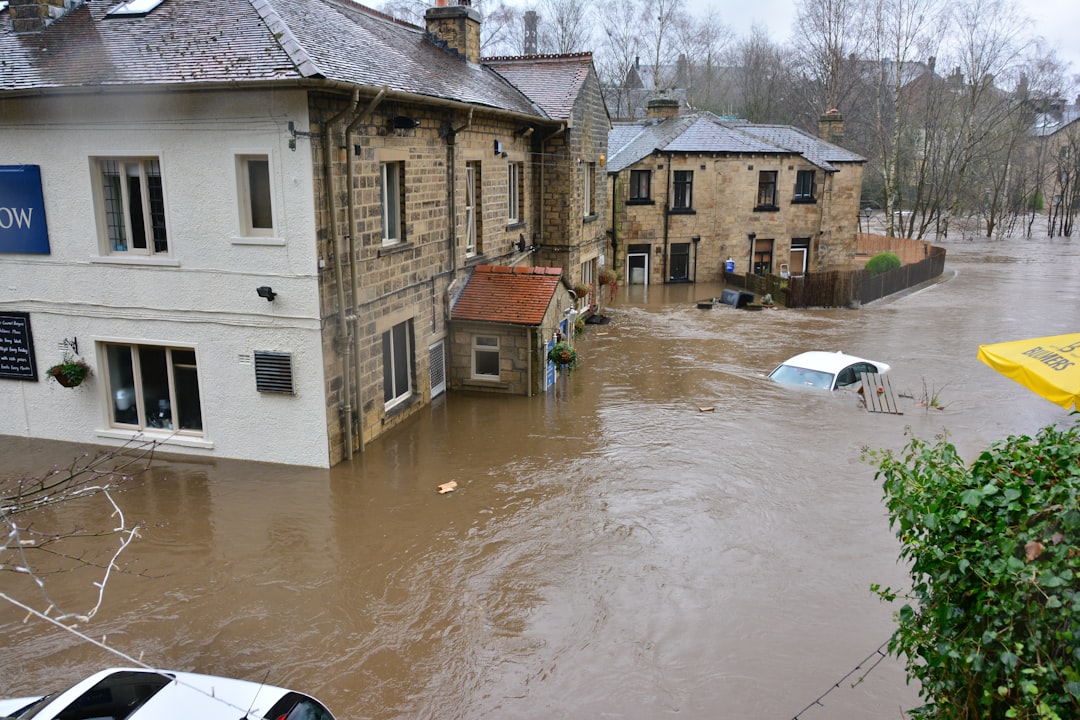
Officials say a stretch of colder air is expected over the next few days, and that could slow runoff and ease some of the pressure on waterways that have been rising with seasonal melt. Even so, local authorities and emergency planners are keeping a close watch on areas known to be vulnerable during spring flooding. Residents near rivers and low-lying zones are being urged to stay alert as conditions can change quickly.
Spring flooding is a yearly reality in many parts of Canada, especially in Quebec, Ontario and the Prairies, where snowmelt, rain and ice movement can create dangerous conditions in a short period of time. For families, this can mean threats to homes, road closures, power disruptions and sudden evacuation orders, all of which place pressure on local communities and emergency services. For governments and public agencies, managing high water is a major public safety task that involves forecasting, infrastructure protection and support for affected residents. This is also a reminder of how weather swings in Canada can have immediate effects on daily life, from travel plans and school commutes to insurance costs and municipal budgets.
The immediate focus will be on temperatures, precipitation and river flow data as Quebec officials track whether the colder weather actually helps stabilize water levels. If conditions remain cool and dry, the flood risk may ease in some regions, but any return to heavy rain or rapid thaw could quickly reverse that trend. Residents will likely continue to receive updates from municipal leaders, emergency agencies and Environment Canada as the situation develops.
Quebec regularly faces spring flood risks because of its large river systems, long winters and heavy snow accumulation in many regions. When temperatures rise quickly, melting snow can rush into rivers and streams at the same time that frozen ground limits how much water can soak into the soil. Ice jams can make matters worse by blocking water flow and forcing rivers to rise suddenly near towns and neighbourhoods. In recent years, major flood events in Quebec and other parts of Canada have highlighted the need for better preparedness, clearer public warnings and stronger local response plans.
Quebec flood risk remains a serious concern each spring, and this year is no exception as officials monitor water levels and weather patterns closely. The expected cooldown offers some cautious hope because lower temperatures can slow the pace of snowmelt and reduce the immediate volume of water entering rivers. That kind of pause can be important for communities already dealing with swollen waterways, especially in places where rivers are running high after recent warming or precipitation. But experienced emergency officials know that a few colder days do not necessarily remove the threat, particularly in a province where spring conditions can shift rapidly from one weather system to the next.
Environment Canada’s outlook is being watched closely because temperature changes are one of the most important drivers of spring runoff. When daytime highs stay lower, snow and ice tend to melt more gradually, giving rivers more time to absorb incoming water without sharp spikes. This can be especially helpful in regions where municipalities are already using pumps, placing sandbags or preparing emergency shelters in case flooding worsens. A slower melt is generally easier to manage than a sudden warmup, which can push water levels higher in a matter of hours or days.
For Quebec residents, the concern is not only about large rivers but also smaller waterways, creeks and drainage systems that can overflow during unstable spring weather. Rural communities, cottage areas and neighbourhoods built close to water are often among the first to feel the impact. Farmers may also be watching carefully, since flooding can delay planting, damage fields and complicate transportation on local roads. In cities and towns, public works departments have to think about culverts, storm drains and vulnerable infrastructure such as bridges and water treatment systems.
Across Canada, spring flood season has become a familiar test for emergency readiness. Provinces coordinate with local governments, conservation authorities, public safety officials and forecasters to determine where risks are increasing and where protective measures may be needed. In Quebec, that response can include monitoring stations, public advisories and support from provincial agencies if local conditions become severe. The challenge is that flood threats are often highly localized: one region may see improving conditions while another faces rising waters due to rain, upstream runoff or ice movement.
Cold weather can provide short-term relief, but it can also delay rather than eliminate runoff if there is still significant snowpack left to melt. That means the flood threat may simply be pushed later into the season if temperatures rise again afterward. This is why forecasters look not only at current river levels but also at the amount of snow remaining, soil moisture, rainfall forecasts and the condition of river ice. A calm weather pattern helps, but a single storm system can still change the picture quickly.
Canadian readers have seen this pattern before. In past years, severe spring floods in Quebec, New Brunswick, Manitoba and Ontario have forced evacuations, caused costly property damage and led to military assistance in some communities. Those events have shaped how municipalities prepare today, with more emphasis on communication, early warnings and coordination between different levels of government. Homeowners have also become more aware of practical steps such as moving valuables, checking sump pumps and understanding local evacuation routes.
There is also a broader policy issue behind stories like this. Flood management is no longer only about reacting when water rises; it is increasingly tied to questions about infrastructure resilience, land-use planning and climate adaptation. Canadian communities are facing more weather volatility, and that means governments are under pressure to strengthen forecasting systems and invest in protections that can reduce future damage. In Quebec, as elsewhere, spring flooding is both a seasonal hazard and a long-term planning challenge.
For now, much depends on whether the cooler stretch holds and whether it arrives without major rainfall. If river levels level off, communities may gain valuable time to prepare and avoid the worst-case scenario. If warmer temperatures return too quickly, however, officials could be dealing with renewed pressure on rivers and more urgent warnings for residents in flood-prone areas.
The message for Quebecers is one of cautious vigilance. The colder weather forecast may improve conditions in some areas, but it is not a signal to let down one’s guard. River levels can respond fast, and local differences matter. People living near waterways should continue following updates from municipal authorities, Quebec emergency agencies and Environment Canada, while making sure they are ready if conditions worsen.
Follow Canada News Media
Get the day's top Canadian stories and our two daily 60-second news videos wherever you scroll.
X Threads Facebook Instagram LinkedIn TikTok YouTube Pinterest Reddit Substack Flipboard Newsletter RSS