
The question of whether the Trudeau government has done enough to combat racism is a matter of significant public interest and debate in Canada. Analyzing their efforts involves looking at various policies, initiatives, and responses to incidents of racism. Here’s a balanced overview based on known information up to April 2023:
Government Initiatives under Trudeau’s Leadership
Anti-Racism Strategy
- The Trudeau government launched the Federal Anti-Racism Strategy in 2019, aimed at combating racism and discrimination in federal institutions and broader Canadian society. This strategy was backed by funding and included initiatives for public education, community building, and improved data collection on racism and hate crime.
Legislative Efforts
- The government has made legislative efforts to address systemic racism. For instance, Bill C-22, introduced in 2021, aimed to address disparities in the criminal justice system that disproportionately affect Indigenous and Black Canadians.
Responses to Specific Incidents
- In response to various high-profile incidents of racism, the Trudeau government has often publicly condemned acts of racism and pledged to take action. This includes responses to anti-Indigenous racism, anti-Black racism, and the rise in anti-Asian sentiment during the COVID-19 pandemic.
Criticisms and Challenges
Despite these efforts, the Trudeau government has faced criticism and challenges:
Perceived Lack of Tangible Outcomes
- Critics argue that while the government has initiated programs and strategies, the tangible outcomes in terms of reducing incidents of racism, or significantly changing systemic biases in institutions like law enforcement and the judicial system, have been limited.
Implementation and Follow-through
- There have been concerns about the effective implementation and follow-through of policies and initiatives. Critics point to a gap between policy announcements and their practical application or enforcement.
Indigenous Relations
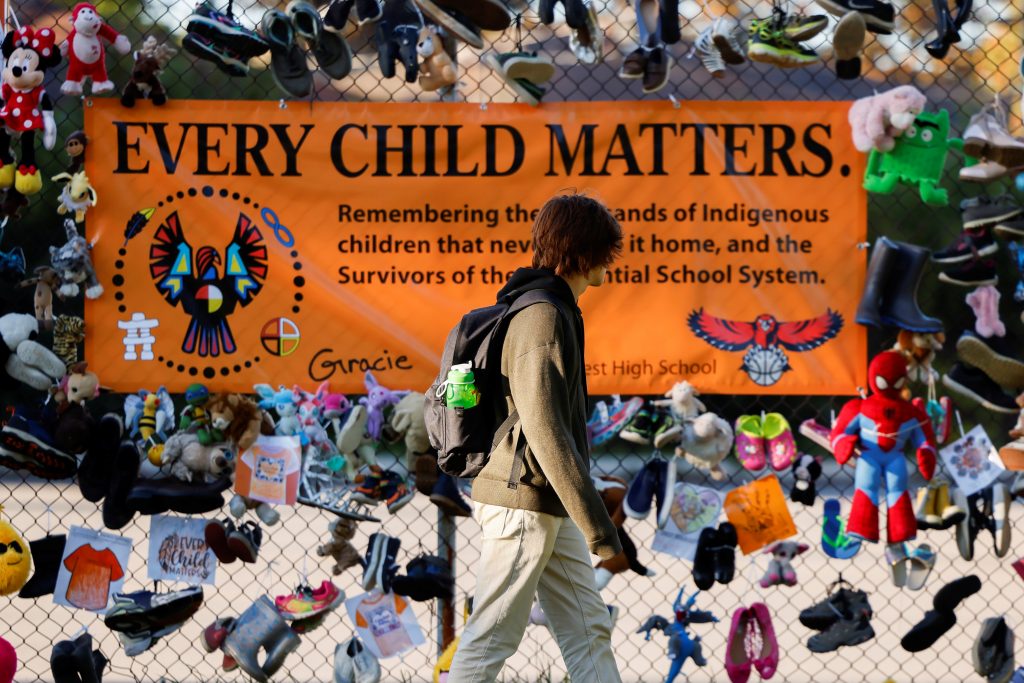
- The Trudeau government’s handling of issues related to Indigenous peoples has been a point of contention. While there have been efforts to reconcile and address historical injustices, some Indigenous groups have criticized the government for not doing enough, particularly in areas like clean water access on reserves and the implementation of the Calls to Action from the Truth and Reconciliation Commission.
Contextual Considerations
The issue of racism is not unique to Canada, and the Trudeau government’s efforts should also be seen in the context of global challenges in addressing racial inequalities.
Efforts to combat racism often require collaboration with provincial and municipal governments, which can impact the efficacy of federal initiatives.
The success of anti-racism initiatives also heavily depends on public sentiment and participation. Government efforts can be limited by societal attitudes and the level of public engagement in anti-racism actions.
Prime Minister Justin Trudeau and his government should do more for Black Canadians
The perspective that Prime Minister Justin Trudeau and his government should do more for Black Canadians is an important part of the ongoing dialogue about racial equity in Canada. This viewpoint underscores a call for more targeted and effective measures to address the specific challenges faced by Black Canadians. Here are some aspects that are often highlighted in such discussions:
Assessing whether the Trudeau government has done “enough” to combat racism involves considering the complexity of racism as a societal issue, the measures taken by the government, and the outcomes of these measures. It is a subject that invites ongoing discussion and analysis, reflecting diverse perspectives and expectations from different segments of Canadian society.
Follow Canada News Media
Get the day's top Canadian stories and our two daily 60-second news videos wherever you scroll.
X Threads Facebook Instagram LinkedIn TikTok YouTube Pinterest Reddit Substack Flipboard Newsletter RSS