


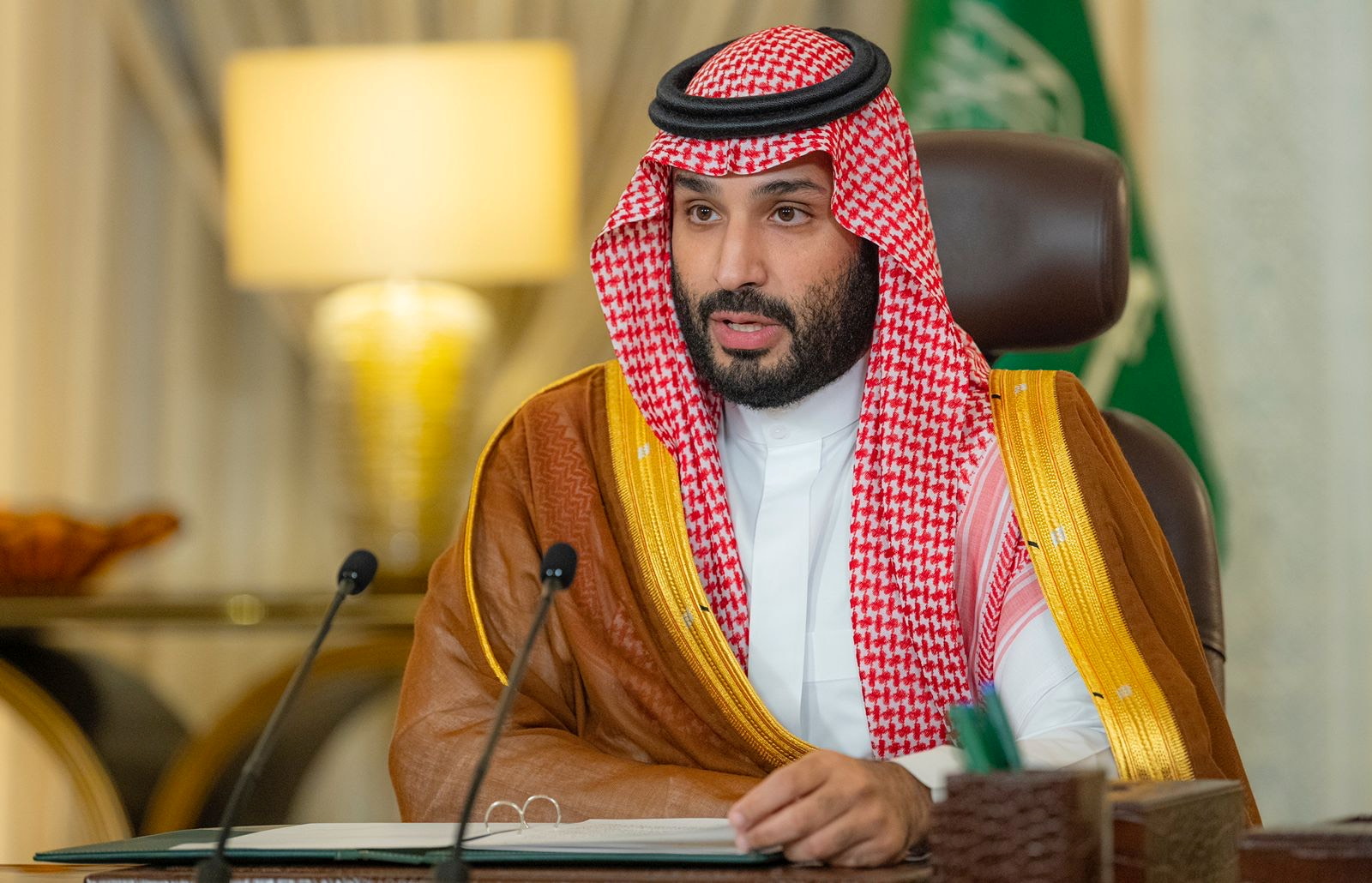
Saudi Arabia’s Crown Prince Mohammed bin Salman (MBS), known for his ambitious plans and controversial actions, has been engaging U.S. lawmakers with a dire message: his life may be in danger due to his pursuit of a landmark agreement between Saudi Arabia, Israel, and the United States. In discussions with Congress members, MBS has likened his situation to that of Egypt’s Anwar Sadat, the leader assassinated after forging peace with Israel. The crown prince has emphasized that any deal with Israel must include a credible path toward Palestinian statehood, a point that has taken on new urgency given the intensifying anger in the Arab world over Israel’s ongoing war in Gaza.
This high-stakes negotiation involves much more than just normalizing relations between Saudi Arabia and Israel. The proposed grand bargain includes security guarantees, economic investments, and cooperation on a civilian nuclear program from the U.S. in exchange for Saudi Arabia limiting its dealings with China and establishing ties with Israel. The crown prince has reportedly stressed the significance of addressing the Palestinian issue, warning that failure to do so could undermine his legitimacy as the guardian of Islam’s holiest sites and destabilize the region.
The broader geopolitical landscape adds complexity to these negotiations. Israeli Prime Minister Benjamin Netanyahu’s government, which has expressed staunch opposition to a Palestinian state, presents a significant roadblock. Meanwhile, MBS has cited the immense risks involved, not just for Saudi Arabia but for his personal safety, underscoring that the stakes are extraordinarily high.
Despite these challenges, MBS remains committed to pursuing the deal, viewing it as crucial for Saudi Arabia’s future and the broader stability of the Middle East. Whether the crown prince’s strategy will be enough to push all parties toward a resolution remains uncertain, but the implications of this potential agreement could reshape the region for years to come.
Follow Canada News Media
Get the day's top Canadian stories and our two daily 60-second news videos wherever you scroll.
X Threads Facebook Instagram LinkedIn TikTok YouTube Pinterest Reddit Substack Flipboard Newsletter RSS