



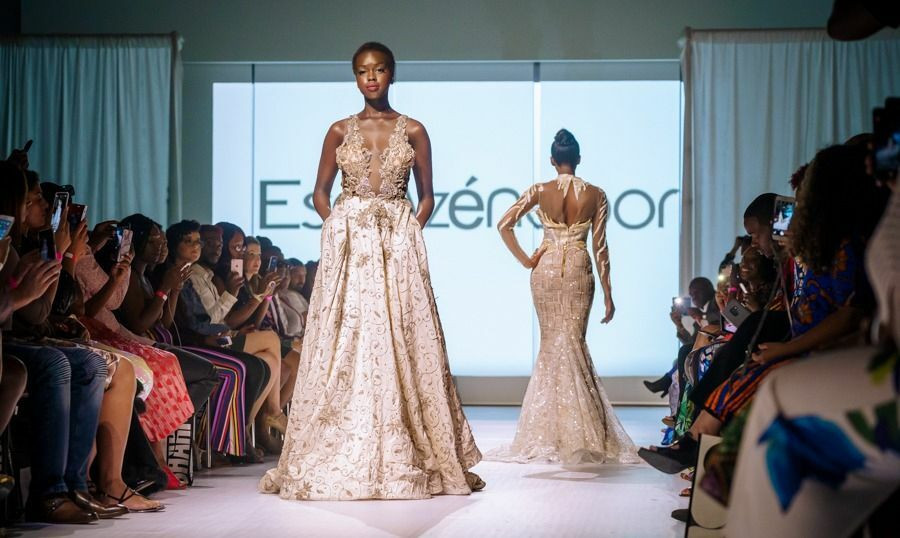
The fashion industry has long been a powerful cultural force, shaping trends, influencing public perceptions, and setting standards for beauty, style, and identity. But for decades, the world of fashion has been plagued by issues of exclusion, especially when it comes to race. Black designers, models, and creatives have often been marginalized, with their contributions either overlooked or appropriated without recognition. Recently, however, there has been a growing movement to address these imbalances and to recognize retail as a portal to systemic change in the fashion industry.
From high-end luxury labels to fast fashion, Black creatives are pushing for meaningful representation, greater equity, and more visibility in the spaces where fashion is made, sold, and consumed. The question is, can retail be the vehicle for true transformation, and what role do Black designers and entrepreneurs play in driving this shift?
To understand the current state of the fashion industry and its potential for change, it’s essential to first acknowledge its history of exclusion. Black fashion designers and models have been historically shut out of major fashion houses and runway shows, while mainstream brands have long catered to predominantly white audiences.
“When I started out, I quickly realized that the fashion world wasn’t designed for people like me,” says Jameela Thompson, a Toronto-based designer who launched her brand, Thompson Couture, in 2015. “There were hardly any Black designers being showcased at major fashion weeks, and even fewer who had the backing of large retailers. It was like trying to break through a glass ceiling that wasn’t even built for us.”
Thompson’s experience echoes the sentiments of many Black fashion professionals. Despite the undeniable influence of Black culture on global fashion trends, Black designers have often found it difficult to access the retail space necessary to grow their brands. Major department stores and retailers have traditionally hesitated to carry collections from Black designers, opting instead for the safer, more familiar names that dominate the industry.
This lack of access has perpetuated a cycle of invisibility for Black designers. Without retail partnerships or visibility on store shelves, many talented Black creatives have struggled to scale their businesses, reach new audiences, or receive the recognition they deserve.
In recent years, however, there has been a noticeable shift. High-profile campaigns calling for diversity and inclusion have sparked important conversations about representation in fashion, and some retailers are beginning to take action. In response to the murder of George Floyd and the subsequent global protests against racial injustice, companies across the fashion industry made public commitments to combat racism and invest in Black talent.
One of the most notable initiatives came from Aurora James, the Black Canadian fashion designer behind Brother Vellies, a luxury accessories brand. In June 2020, James launched the 15 Percent Pledge, calling on major retailers to dedicate 15% of their shelf space to Black-owned brands. The initiative quickly gained traction, with retailers like Sephora, Macy’s, and Bloomingdale’s signing on to the pledge.
“For so long, Black designers and Black-owned brands have been shut out of the retail space,” James said in an interview with The New York Times. “This pledge is about creating real economic opportunities for Black entrepreneurs in fashion. It’s about breaking down the barriers that have kept us from competing on an even playing field.”
The 15 Percent Pledge has been hailed as a groundbreaking step toward systemic change, and its success has inspired other initiatives aimed at boosting Black representation in fashion retail.
Despite these promising developments, the path to systemic change in fashion retail is still fraught with challenges. Many Black designers, particularly those who are just starting out, face obstacles when trying to secure retail partnerships or raise the capital needed to scale their businesses.
“Retail is a tough industry, period. But for Black designers, it’s even tougher,” says Kwame Davis, a Montreal-based fashion entrepreneur and the founder of Urban Elevate, a streetwear brand that blends African-inspired designs with modern urban fashion. “We have to work twice as hard to prove ourselves because there’s still this perception that Black designers are niche or that our work isn’t mainstream enough.”
Davis has experienced firsthand the difficulties of navigating the retail landscape as a Black business owner. Despite having a loyal customer base and a strong online presence, he struggled for years to get his collection into brick-and-mortar stores.
“I would pitch my brand to retailers, and they’d either say it wasn’t a good fit for their store or they’d be hesitant because they didn’t understand the cultural significance of my designs,” Davis explains. “It was frustrating because I knew that my clothes would sell if given the chance, but it felt like the industry was stacked against me.”
Even for Black designers who manage to secure retail deals, there are often additional hurdles to overcome, such as high production costs, lack of access to resources, and limited industry connections. For many Black designers, the lack of mentorship and investment within the fashion industry has also made it difficult to build sustainable businesses.
“We need more than just shelf space—we need the infrastructure to succeed,” says Lisa Carter, the founder of Ethereal Threads, a Toronto-based brand known for its sustainable, ethically-made clothing. “That means access to funding, mentorship, and networks that can help us navigate the complexities of the retail world. Right now, too many Black designers are being set up to fail because they’re not getting the support they need to grow.”
One of the most powerful tools for change in fashion retail is consumer demand. As more consumers become aware of the importance of supporting Black-owned businesses, there has been a growing demand for brands that reflect diversity and inclusivity.
“Consumers are waking up to the fact that where they spend their money matters,” says Imani Jackson, a stylist and fashion influencer based in Vancouver. “People want to support brands that align with their values, and that includes supporting Black designers who are often left out of the conversation.”
Jackson points to the rise of social media as a game-changer in the fashion industry. Platforms like Instagram, TikTok, and Pinterest have allowed Black designers and creatives to connect directly with consumers, bypassing traditional retail gatekeepers.
“Social media has given Black designers a platform to showcase their work and tell their stories in ways that were previously impossible,” Jackson explains. “Now, we’re seeing consumers actively seek out and promote Black-owned brands, which is helping to level the playing field.”
One example of this shift is the growing popularity of Black-owned streetwear brands like Telfar, a luxury label founded by Black designer Telfar Clemens. The brand’s signature “shopping bag” has become a must-have item among fashion-forward consumers, thanks in large part to its viral success on social media.
“Seeing a brand like Telfar blow up is proof that there’s a huge appetite for Black-owned fashion,” says Jackson. “It’s not just about supporting Black businesses—it’s about recognizing the incredible talent and creativity that Black designers bring to the table.”
While consumer demand and social media have played a significant role in elevating Black designers, industry experts agree that true systemic change requires a more comprehensive approach. This includes not only increasing representation in retail but also addressing the underlying structural barriers that have historically kept Black creatives out of the fashion industry.
“Retail can be a portal to systemic change, but it’s not the end-all-be-all,” says Dr. Tessa Thompson, a professor of fashion studies at Ryerson University. “We need to see change at every level of the industry, from design schools to fashion houses to corporate boardrooms. It’s not just about putting more Black designers on store shelves—it’s about rethinking the way the entire industry operates.”
Thompson believes that fashion institutions need to do more to support Black designers from the ground up. This includes offering scholarships and mentorship programs for Black students at design schools, as well as creating opportunities for Black designers to showcase their work on major platforms like Fashion Week.
“Representation matters, but it has to be meaningful,” Thompson says. “That means investing in Black talent from an early stage and giving them the tools they need to succeed, both creatively and financially. It’s not enough to just check a diversity box—we need to build a system that truly values and supports Black designers.”
Despite the challenges that remain, there is a sense of optimism among Black designers and fashion professionals. Many believe that the current moment represents a turning point for the fashion industry, one in which retail can play a pivotal role in driving change.
“I’m hopeful because I see the conversation shifting,” says Jameela Thompson. “For the first time in a long time, it feels like people are starting to pay attention to the voices and contributions of Black designers. It’s up to us to keep pushing for change and to hold the industry accountable.”
For Black fashion entrepreneurs like Kwame Davis and Lisa Carter, the future is full of possibilities. “We’ve come a long way, but there’s still a lot of work to do,” says Davis. “We need to keep fighting for our place in the industry and make sure that Black designers are not just part of a trend, but a permanent fixture in the fashion world.”
As more retailers sign on to initiatives like the 15 Percent Pledge and consumers continue to demand diversity in the brands they support, there is hope that Black designers will finally get the recognition and opportunities they deserve. Retail may not be the only solution to the systemic issues in fashion, but it can certainly be a powerful tool for change.
The push for systemic change in the fashion industry is a complex and ongoing journey, but the role of retail as a portal to that change cannot be overlooked. With increasing consumer demand for diversity, initiatives like the 15 Percent Pledge, and a growing number of Black designers making their mark, there is reason to believe that the future of fashion can be more inclusive, equitable, and reflective of the true diversity of talent that exists within the industry.
As Lisa Carter puts it: “We’re not just designing clothes—we’re designing a new reality for Black fashion. And we’re not going anywhere.”