


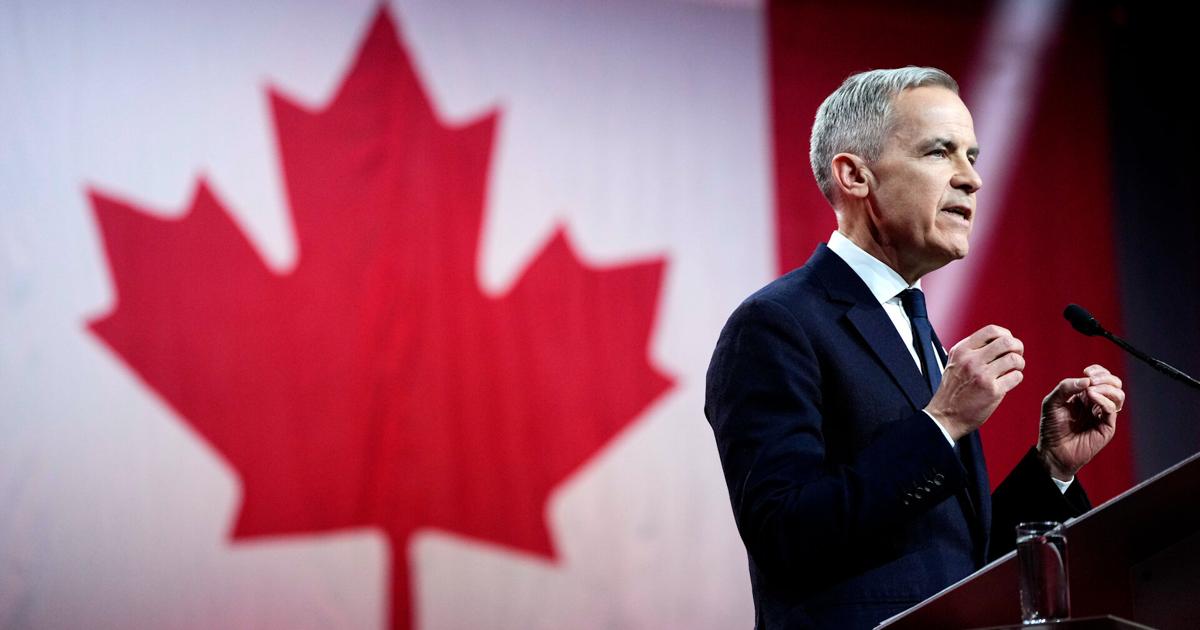
Mark Carney was recently elected as the new leader of Canada’s Liberal Party. He has promised economic transformation and inclusive growth, particularly resonating with Black Canadian communities long underserved by systemic inequities. Carney’s track record, including leadership roles at the Bank of Canada and the Bank of England, has raised expectations significantly. Yet, many question whether Carney’s new mandate as Liberal Party leader can effectively address economic disparities experienced by Black Canadians.
Economic disparity remains one of the greatest challenges facing Black Canadians today. According to Statistics Canada, Black Canadians earn significantly less on average, experience higher rates of unemployment, and are more likely to live below the poverty line compared to their white counterparts.
“Systemic barriers are very real and entrenched,” says Dr. Carl James, Professor of Education and Equity at York University. “We need concrete action, not just symbolic gestures, to close these gaps.”
Carney has outlined several key initiatives aimed at addressing inequalities as part of his leadership platform. These include increased funding for Black-led businesses, substantial investments in education and training for Black youth, and enhanced access to affordable housing in historically marginalized communities.
“We’re committing to a new kind of economic inclusion,” Carney stated in his leadership acceptance speech. “Our prosperity should benefit all Canadians, especially those who have been historically excluded from opportunity.”
For Black business owners like Nadine Spencer, CEO of the Black Business and Professional Association (BBPA), Carney’s mandate signals cautious optimism.
“This is the first time in years I’ve felt genuine hope for structural support,” Spencer explains. “But our community has seen promises before. What matters now is follow-through and accountability.”
The BBPA emphasizes the necessity for clear metrics to measure the impact of Carney’s investments, ensuring transparency and tangible results for Black entrepreneurs across Canada.
Among Carney’s most ambitious commitments is enhancing educational pathways for Black students, addressing systemic biases, and expanding scholarships and training programs.
“Education is foundational,” says Tiffany Callender, CEO of the Federation of African Canadian Economics (FACE). “Investment in Black youth today means building stronger communities tomorrow. Carney’s mandate must include sustained funding and real policy reform in the education sector.”
Students themselves express cautious hope. Joshua Williams, a university student in Toronto, remarked, “Scholarships help, but addressing racism in the education system matters more. We need structural change.”
Housing insecurity disproportionately affects Black Canadians, exacerbating economic disparities. Carney’s platform includes expanding affordable housing initiatives and policies to combat discriminatory practices in the rental and home-buying markets.
“Housing is economic justice,” states Fo Niemi, Executive Director of the Centre for Research-Action on Race Relations (CRARR) in Montreal. “Without stable, affordable housing, economic equity remains impossible. Carney’s commitment here is critical, but it must be paired with robust anti-discrimination enforcement.”
Black Canadian leaders are cautiously supportive yet emphasize vigilance.
Andray Domise, a Toronto-based journalist and advocate, notes, “Carney’s reputation precedes him, but the Black community needs more than good intentions. We need structural shifts and measurable outcomes. We’ll watch closely.”
Desmond Cole, activist and author, adds, “Economic justice isn’t charity; it’s about correcting historical wrongs. Carney’s policies must reflect that clearly.”
Economists express guarded optimism about the feasibility of Carney’s initiatives.
“Carney understands economic structures better than most,” says Armine Yalnizyan, an economist at the Atkinson Foundation. “His mandate could significantly improve economic equity, provided it is adequately funded and carefully implemented.”
Yet, critics worry that without clear accountability measures, systemic inequities may persist.
Ensuring Carney’s mandate benefits Black Canadians requires robust political accountability.
“The real test is implementation and oversight,” says Marva Wisdom, community leader and equity consultant. “Black communities must have seats at decision-making tables—not just consultation, but genuine power.”
Even as Carney’s policies unfold, Black Canadian communities continue their advocacy.
“As community members, we’re organizing to hold this leadership accountable,” says Sandy Hudson, co-founder of Black Lives Matter Toronto. “Promises are just the beginning; action and results are what truly matter.”
Mark Carney’s leadership of the Liberal Party offers a promising vision for Black Canadians. Yet the challenge remains significant, requiring clear policies, sustained investment, and rigorous accountability.
For Black communities across Canada, this moment represents both an opportunity and a critical test of political integrity.
“Our communities are resilient, but resilience isn’t enough,” Nadine Spencer reflects. “We deserve equity, and we’re determined to see these promises fulfilled.”
As Canada watches, Carney’s mandate now stands at a crossroads—poised between historic inequities and the promise of meaningful economic justice.