


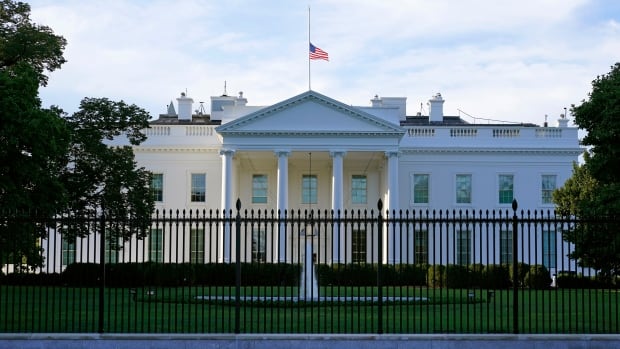
The White House says U.S. Vice President JD Vance will travel to Pakistan to head the American delegation in the next phase of sensitive regional talks, signalling that Washington wants to keep a close hand on a fast-moving diplomatic file. The move follows a lengthy first round of direct discussions held over the weekend, which were described as historic because they brought key players together face to face for more than 20 hours. By sending one of its most senior officials, the United States is showing that it sees the talks as strategically important for security, stability and its broader foreign policy goals in South Asia. The trip is likely to draw close attention from allies, including Canada, as governments watch for signs of progress or renewed tension in a region that can quickly affect global politics.
For Canadians, developments in Pakistan and the wider South Asian region matter for both security and community reasons. Canada is home to large South Asian diaspora communities, including many people with family, business and cultural ties to Pakistan, so major diplomatic shifts can have a direct emotional and practical impact here. If talks help reduce instability, that can support safer travel, more predictable trade conditions and lower geopolitical risk in a part of the world that influences energy markets, migration patterns and international security discussions. Ottawa also keeps a close eye on U.S. diplomacy in regions where Canadian foreign policy, consular planning and intelligence interests may be affected, especially when Washington elevates a file by sending its vice president.
The immediate focus will be on what Vance says publicly in Pakistan and whether the talks produce concrete steps rather than broad statements of intent. Observers will also watch for any response from regional governments, the military establishment and international partners to see whether momentum is building toward de-escalation, cooperation or a more formal negotiating process. For Canada, the key question is whether the meetings help steady the situation or expose deeper divisions that could shape future diplomatic and security planning.
Pakistan remains one of the most strategically significant countries in the region because of its geography, its role in regional power politics and its long-standing importance to international security discussions. The United States has had a complex relationship with Pakistan for decades, balancing counterterrorism concerns, military ties, political tensions and wider regional objectives involving neighbouring countries. High-level American visits to Pakistan are never routine, and when a vice president becomes directly involved, it usually reflects a belief in Washington that the matter has reached a critical stage. The reference to the first round of talks as historic suggests that the meetings may represent a notable departure from past back-channel diplomacy or lower-level contact.
The White House announcement will likely be read in several ways at once. At the simplest level, it indicates the United States wants to maintain momentum after the initial marathon discussions. Diplomatically, it can also be seen as an attempt to reassure Pakistani officials that Washington is willing to engage at the highest political levels rather than leaving the process to career diplomats alone. That matters because symbolism often plays a major role in regional diplomacy, where trust can be fragile and public messaging can shape how negotiations are received at home.
For Pakistan, the visit offers a chance to demonstrate its relevance on the world stage at a time when global powers are recalibrating their priorities in Asia. Pakistani leaders have often sought to balance ties with the United States, China and regional neighbours while managing domestic political pressures and economic strain. A visit by the U.S. vice president may strengthen Islamabad’s diplomatic position, but it could also raise expectations that the talks will deliver meaningful outcomes. If those expectations are not met, disappointment could feed scepticism among domestic audiences and international observers.
The White House has not yet publicly laid out all the details of the agenda, but analysts will be looking for clues about whether the discussions centre on security cooperation, regional de-escalation, economic support or a combination of several urgent issues. The fact that the first round stretched across 21 hours suggests that the parties were dealing with complicated matters that cannot be settled quickly. Extended talks often point to difficult trade-offs, competing priorities and efforts to narrow gaps that have built up over time. That is one reason the next round could prove pivotal.
From a Canadian perspective, this kind of U.S. engagement matters even when Canada is not directly at the table. Ottawa frequently coordinates with allies on major international files, and any shift in U.S.-Pakistan relations can ripple outward into multilateral forums, intelligence assessments and immigration or travel advisories. Canada’s foreign policy planners also have to consider how regional developments may affect Canadians abroad, including dual nationals, aid workers, students and business travellers. In a crisis, diplomatic access and clear communication between allies become especially important.
There is also a broader economic angle. Instability in strategically important regions can influence investor sentiment, shipping routes and commodity prices, including energy markets that affect households and businesses in Canada. While a single diplomatic visit does not automatically change those fundamentals, high-level talks can shape expectations about whether tensions are likely to cool or worsen. Markets, governments and international agencies often react not just to outcomes but to signals, and a vice-presidential visit is a significant signal.
Another reason this story deserves attention in Canada is the domestic political impact among diaspora communities. News involving Pakistan can resonate strongly in Canadian cities such as Toronto, Mississauga, Calgary and Vancouver, where many residents follow South Asian affairs closely. For some families, these are not distant geopolitical developments but matters tied to relatives, financial obligations and long-term plans. When tensions rise or diplomacy intensifies, the effects can be felt in everyday conversations, travel decisions and community concerns across the country.
What remains unclear is whether this diplomatic effort is the beginning of a sustained process or simply an urgent intervention to manage a specific flashpoint. That distinction matters. A structured process with follow-up meetings, confidence-building measures and clear benchmarks would suggest a serious attempt to produce longer-term results. A shorter, reactive effort may still help prevent immediate deterioration, but it could struggle to address deeper disputes.
For now, the White House appears to be betting that senior-level involvement can help push the talks forward. Sending JD Vance to Pakistan raises the political stakes and increases scrutiny on both Washington and Islamabad. If the visit produces visible progress, it could mark an important moment in U.S. engagement in South Asia. If it falls short, it will still underline how volatile and consequential the region remains for allies such as Canada and for the broader international community.
Follow Canada News Media
Get the day's top Canadian stories and our two daily 60-second news videos wherever you scroll.
X Threads Facebook Instagram LinkedIn TikTok YouTube Pinterest Reddit Substack Flipboard Newsletter RSS