


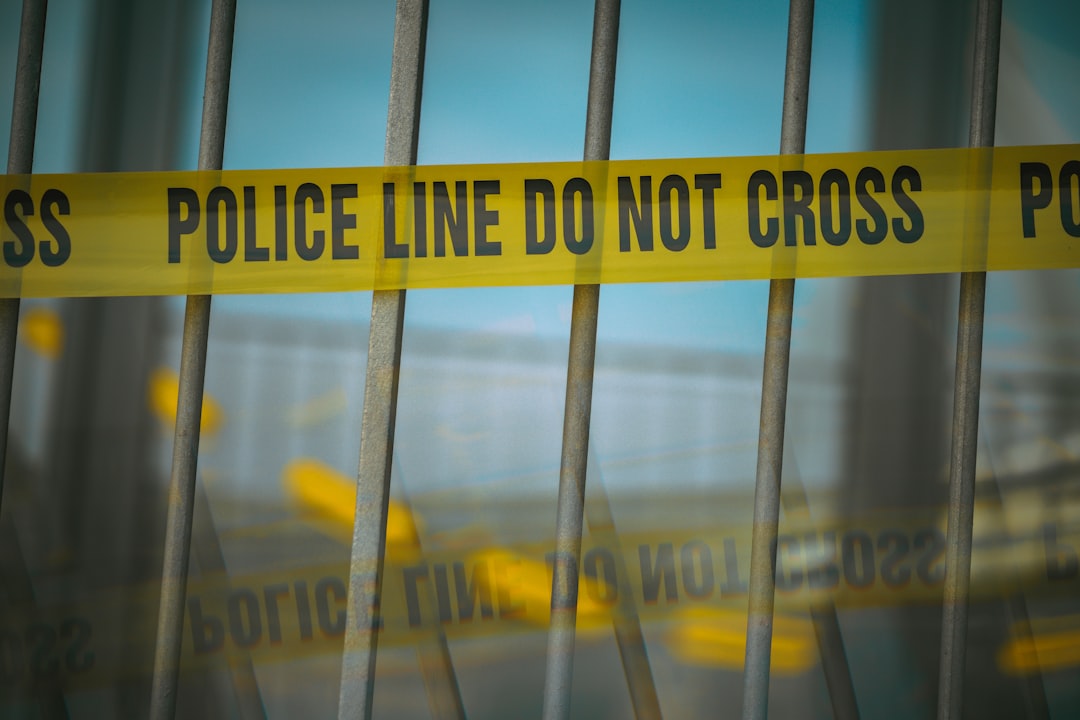
Authorities say officers responded to separate crime scenes in a neighbourhood south of downtown, where victims were discovered at two homes and another nearby site. Investigators have not yet released a full explanation of what happened, and they say they are still piecing together the timeline. The case has shaken the local community and raised urgent questions about public safety, domestic violence risks, and how quickly authorities can determine whether there is any broader threat.
For Canadian readers, this story matters because gun violence and multiple-victim incidents continue to shape public debate on both sides of the border. While the shooting happened in the United States, Canadians closely follow major violent crime cases in nearby regions because they often influence conversations here about firearms laws, mental health supports, policing resources, and crisis prevention. News of a multi-scene investigation also resonates with Canadian cities and towns that have faced their own concerns over intimate partner violence, family tragedies, and community trauma after sudden acts of violence. The case is also a reminder that when information is still emerging, public officials and media outlets must balance urgency with caution to avoid spreading speculation.
In the coming days, investigators are expected to provide more details about the identities of the victims, the relationship between those involved, and whether a suspect has been identified or taken into custody. Police will likely continue processing the scenes, interviewing witnesses, and reviewing physical and digital evidence to establish a clear sequence of events. Residents and observers will be watching for official updates on motive, public safety risks, and whether any social services or community supports are being mobilized for those affected.
Shreveport, a city in northwestern Louisiana, has periodically faced concerns about violent crime, as have many urban centres across North America dealing with poverty, access to firearms, and gaps in support systems. In investigations involving multiple crime scenes, police often need extra time to verify basic facts because evidence can be spread across locations and early witness accounts may be incomplete or conflicting. Cases like this can involve a range of possible circumstances, from targeted attacks to domestic incidents, which is why investigators typically avoid firm conclusions until forensic work is underway. For Canadians, the broader context is familiar: serious violent crime is not only a policing issue, but also one tied to housing stress, addiction, mental health, social isolation, and the availability of early intervention before a crisis turns deadly.
Officials in Shreveport have said they are still gathering details from the three connected locations south of the city’s downtown core. That careful wording suggests police are trying to reconstruct a fast-moving and possibly complex event rather than treating it as a single isolated scene. When deaths are discovered at more than one address, investigators usually have to coordinate patrol officers, detectives, forensic specialists, and medical examiners, all while trying to keep neighbourhood residents informed and calm. Until the evidence is fully processed, even basic details such as who died where, when the shootings occurred, and whether all the incidents are directly linked can remain unclear.
That uncertainty is often difficult for the public, especially in the age of social media, when rumours can spread faster than confirmed facts. Canadian readers will recognize this challenge from major crime stories at home, where early reports sometimes change significantly as police release verified information. Editors and broadcasters have to be especially careful with language in cases involving multiple deaths, since misreporting can deepen distress for families and fuel false narratives online. In a case like the one unfolding in Louisiana, restraint matters just as much as speed.
The story also highlights a larger issue that often receives attention in Canada: how communities respond after traumatic violence. Even when a case appears to be limited to a specific set of individuals, the emotional impact can reach far beyond the immediate victims. Neighbours may feel unsafe, schools and workplaces may be affected, and local leaders are often called on to provide reassurance while the investigation continues. Canadian municipalities have faced similar moments, prompting renewed discussion around emergency response planning, victim services, grief counselling, and the need for better coordination between police, health agencies, and social support organizations.
Another reason this case may resonate in Canada is the ongoing public conversation about cross-border differences in gun policy and gun violence. Canada generally has stricter firearms regulations than the United States, but Canadian communities are not insulated from the effects of illegal gun trafficking, domestic abuse involving weapons, or targeted shootings. Each high-profile American case tends to renew comparisons over prevention strategies, enforcement, and the social conditions that can turn conflict into lethal violence. For many Canadians, stories like this are a reminder that public safety depends not only on criminal justice systems, but also on prevention measures that begin long before police are called.
At this stage, the most important thing is what investigators are able to confirm. Families of the victims, local residents, and the wider public will be looking for clarity on whether the deaths stemmed from one suspect, one motive, or a chain of events that unfolded across different addresses. If police do identify a suspect or determine that the victims were known to one another, that could significantly change how the public understands the case. Until then, the investigation remains active, and officials are expected to release more information once they are confident it is accurate.
For Canadian readers following breaking crime news from abroad, the key takeaway is not just the shock of the event itself but the broader lessons it raises. Multi-scene homicide investigations are complex, emotionally charged, and often slow to resolve in their early stages. They test the ability of police to gather evidence, the ability of journalists to report responsibly, and the ability of communities to respond with both compassion and patience. As more facts emerge from Shreveport, this case will likely remain part of a wider North American discussion about violence prevention, community safety, and the support systems people need before tragedy strikes.
Follow Canada News Media
Get the day's top Canadian stories and our two daily 60-second news videos wherever you scroll.
X Threads Facebook Instagram LinkedIn TikTok YouTube Pinterest Reddit Substack Flipboard Newsletter RSS