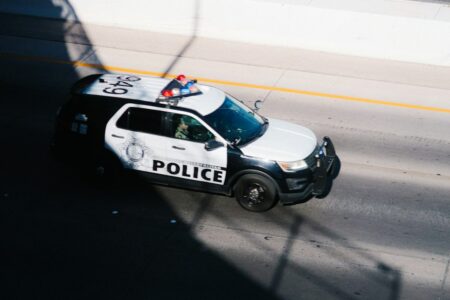


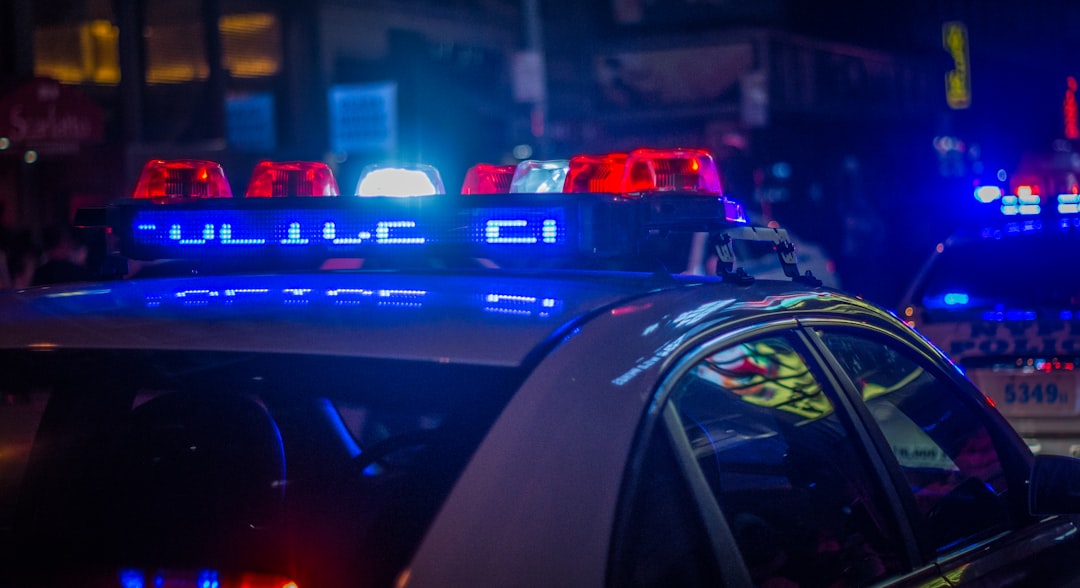
A shooting at Fairview Mall in North York triggered a major police response on Tuesday morning, sending shoppers and workers into a tense lockdown as officers searched the area. Toronto police said they were called to the shopping centre on Sheppard Avenue East near Don Mills Road shortly after 10 a.m. after reports that shots had been fired. Early information indicated the incident was targeted, but investigators were still working to confirm exactly what happened and whether any suspects remained nearby. The scene quickly drew attention because of the mall’s size, its busy weekday traffic, and its close connection to public transit in one of Toronto’s busiest districts.
For Canadian readers, this incident touches on a familiar and troubling concern: violence erupting in everyday public spaces where families shop, commute, and work. A mall shooting can disrupt far more than one property, affecting TTC service, nearby schools or offices, and the confidence people feel when moving through their daily routines. In a city like Toronto, where large retail centres also function as neighbourhood hubs, a police emergency can ripple across the wider community within minutes. It also raises broader questions about public safety planning, emergency communication, and how police and mall security respond when violence breaks out in crowded places.
In the hours ahead, readers should watch for confirmed details from Toronto police about injuries, arrests, and whether investigators believe there is any ongoing threat to the public. Officials may also release surveillance images, suspect descriptions, or requests for witnesses and dashcam footage if they need help piecing together the case. The timing of any mall reopening, transit impacts, and the presence of an increased police patrol in the area will also be important for residents and businesses nearby.
Fairview Mall is one of the major shopping destinations in Toronto’s northeast, serving not only local residents but also visitors arriving through the Don Mills subway station and surrounding bus routes. Because it sits in a densely populated part of the city, any serious police response there can quickly affect traffic, transit, and nearby commercial activity. Incidents in major public venues tend to generate intense concern because they unfold in places people associate with routine life rather than obvious risk. That is why investigators often move carefully in the early stages, securing the area, gathering witness accounts, and checking video evidence before releasing a fuller account.
Toronto police said officers were dispatched to Fairview Mall, located at 1800 Sheppard Ave. E., at about 10:05 a.m. after reports of a shooting. Emergency crews converged on the property as police worked to secure entrances and assess the situation inside and around the mall. Witnesses in the area described confusion and fear as shoppers, employees, and passersby tried to understand whether the danger was ongoing or had already passed. As with many fast-moving incidents, initial reports remained limited while officers focused on safety and scene control.
The location of the incident is significant. Fairview Mall is a busy retail centre in North York and a key gathering point for shoppers across Toronto. Its proximity to Don Mills Road and major transit routes means even a short-lived emergency can have an outsize effect on movement across the area. Road closures, police tape, and diverted bus traffic can create a cascading disruption for commuters and businesses, especially during the morning and midday rush of retail activity.
Authorities have not yet released a complete account of how the shooting unfolded, and that gap is important. In the early hours of an investigation, details can change as police interview witnesses, review security footage, and sort confirmed facts from rumours spreading online. Investigators typically look at whether the event was random or targeted, whether the suspect fled on foot or by vehicle, and whether there were warning signs or prior interactions connected to those involved. Those distinctions matter because they shape both the public risk assessment and the broader understanding of violence in the city.
For many Canadians, the emotional impact of a shooting in a shopping mall goes beyond the immediate police updates. Public places such as malls are woven into daily life, especially in large urban centres where people rely on them not just for shopping but also for banking, dining, transit access, and community gathering. When violence enters those spaces, it can leave people unsettled long after the scene is cleared. Parents may think twice about letting teens meet friends at the mall, workers may feel anxious returning to their jobs, and local businesses may face a sudden drop in customer traffic.
The incident also highlights the pressure on large institutions to respond quickly and clearly during emergencies. Police must balance the need to protect the public with the need to avoid spreading unconfirmed information. Mall operators and transit agencies face their own communication challenges as they direct people to safety, close affected areas, and decide when normal operations can resume. In moments like this, the speed and clarity of official messaging can make a major difference in reducing panic and helping the public make informed decisions.
Toronto has seen repeated debates over gun violence, targeted attacks, and how best to prevent dangerous incidents before they occur. While police often stress that many shootings are not random, that distinction does not erase the fear created when shots are fired in a crowded public setting. Canadians following this story will be looking not only for the outcome of the investigation but also for signs that security measures and prevention efforts are keeping pace with the risks facing major urban centres. The response at Fairview Mall will likely be examined closely as authorities determine what happened, who was involved, and whether any additional safety steps are needed in the area.
As the investigation continues, police are expected to keep part of the property sealed off while forensic officers document the scene and gather evidence. Anyone who was at the mall around the time of the shooting may be asked to come forward, particularly if they captured video or noticed suspicious activity before officers arrived. For residents in North York and across the GTA, the next updates will be crucial in determining whether this was an isolated incident or part of a wider dispute. Until then, the focus remains on confirming the facts, supporting those affected, and restoring a sense of safety in one of Toronto’s busiest public spaces.