



When Palmer Luckey presented his Oculus project to the world in 2012, everybody suddenly became a VR enthusiast. After all, the product was so close to what we all wanted it to be – a relatively comfortable device offering superior escapism at a relatively affordable price. As a response, everyone was quick to jump on the VR bandwagon, with a series of products and services growing around it.
Unfortunately, VR was slow to become the phenomenon many expected it to be. While today we have the best VR headsets imaginable, the virtual escapism they offer is not as attractive to the masses as it was expected to be.
Sansar, sold

One of the most promising VR products came from Linden Lab, the San Francisco-based company behind Second Life. Called Sansar, the project aimed to offer its users a complete social experience similar to the company’s flagship product, except in VR. They had it all planned out, focusing on complete freedom to create and share inside the virtual world.
Sansar, in turn, couldn’t repeat the success story of Second Life. While it was released on VR and desktop, the slow adoption of the former wasn’t enough for it to grow. As a result, Linden Lab decided to abandon its efforts, choosing instead to sell off assets related to Sansar to a little-known company called Wookey Search Technologies, which will take over the development of the title. Linden Lab will continue to develop Second Life.
Alyx, a hit

One of the problems with VR, according to some analysts, is that content creators are reluctant to dedicate a lot of resources to the platform because they don’t really trust its growth. Well, Valve’s recent release of “Half-Life: Alyx” may just be what the industry needed.
“Alyx” is the first triple-A game – and a long-awaited Half-Life game, too – released exclusively on VR.
“Alyx” was announced late last year and immediately caused Valve’s “Index” VR headset to sell out. On the day of its release, the game had 43,000 concurrent players on Steam – its player base was limited by its VR exclusive nature, of course. Its success has shown that there is, indeed, potential in VR, and this will hopefully convince other game and content developers to dedicate more resources to the platform.
Slow growth, repositioning
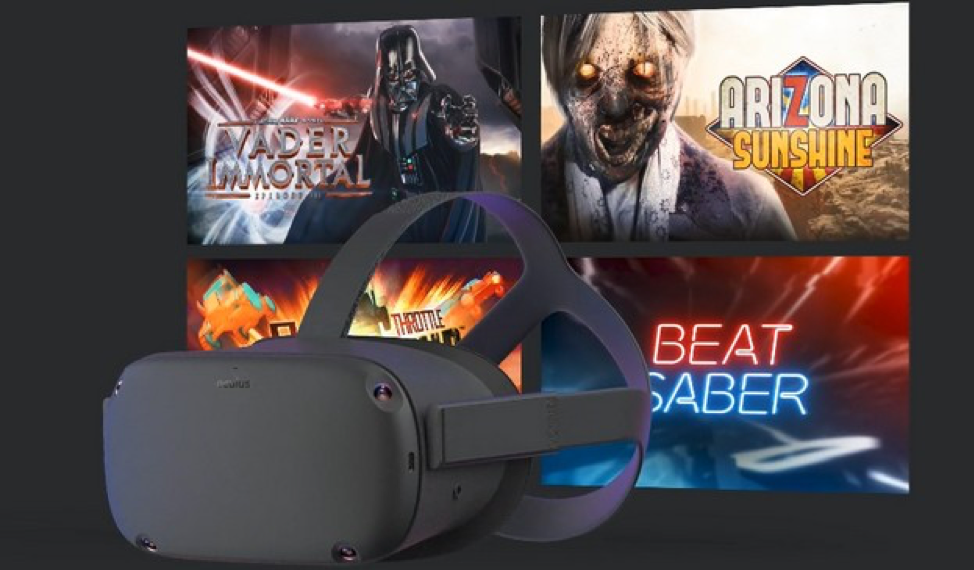
In 2019, PC VR headset shipments decreased by 8% compared to the previous year, in spite of more affordable headsets emerging on the market. At the same time, standalone headsets like the Oculus Quest have gained a lot of traction. Facebook’s product was selling like hot cakes – in 2019, almost half of all VR headsets sold around the world were Oculus Quest headsets. All in all, the global VR headset shipments grew by a modest 4%, thanks in a large part to the latter.
VR game sales have, in turn, grown in 2019, thanks in part to the success of the Oculus Quest – enough to convince Facebook to earmark a considerable budget for creating first-party development studios to create more original VR content.
The state of VR in 2020 is promising. The last few years have shown that the technology is here to stay, and the example of Valve’s flagship VR title has shown that there is a need for quality content – and that it can drive the sales of VR hardware up.
Follow Canada News Media
Get the day's top Canadian stories and our two daily 60-second news videos wherever you scroll.
X Threads Facebook Instagram LinkedIn TikTok YouTube Pinterest Reddit Substack Flipboard Newsletter RSS