



Oral health is a vital but often overlooked component of overall well-being, particularly in a diverse and expansive country like Canada. Some people think that brushing once a day is more than enough to avoid a dental checkup, but this isn’t true. This article aims to illuminate prevalent oral health issues faced by Canadians and provide practical insights on preventive measures.
The Burden of Oral Health Issues in Canada
In Canada, a multitude of oral health problems affect individuals of all ages. Among the most prevalent issues are cavities, gum disease, and oral cancer. Simple, routine checkups at a dentist in Bradford West Gwillimbury or anywhere else can often help catch these issues before they become more serious. According to the Canadian Health Measures Survey, nearly 57% of Canadians between the ages of 6 and 79 have experienced cavities, while approximately 21% show signs of moderate to severe gum disease. These statistics underscore the pressing need for effective preventive measures. Proper oral hygiene is important to have a healthy, happy populace. Anyone who has dealt with an untreated inflamed tooth that causes eating to be a painful chore can testify to this.
Cavities – The Silent Threat
Cavities, also known as dental caries, are a common oral health concern in Canada and the world at large. They occur when tooth enamel erodes due to bacterial action on sugars and starches, leading to the formation of acids that corrode tooth structure. Avoid eating extremely sugary products and acidic drinks, like sodas, sweetened teas and candy. The occasional piece of candy won’t destroy all of your hard work, but you should avoid including it in your regular diet. Remember, they’re supposed to be a treat, not an everyday occurrence.
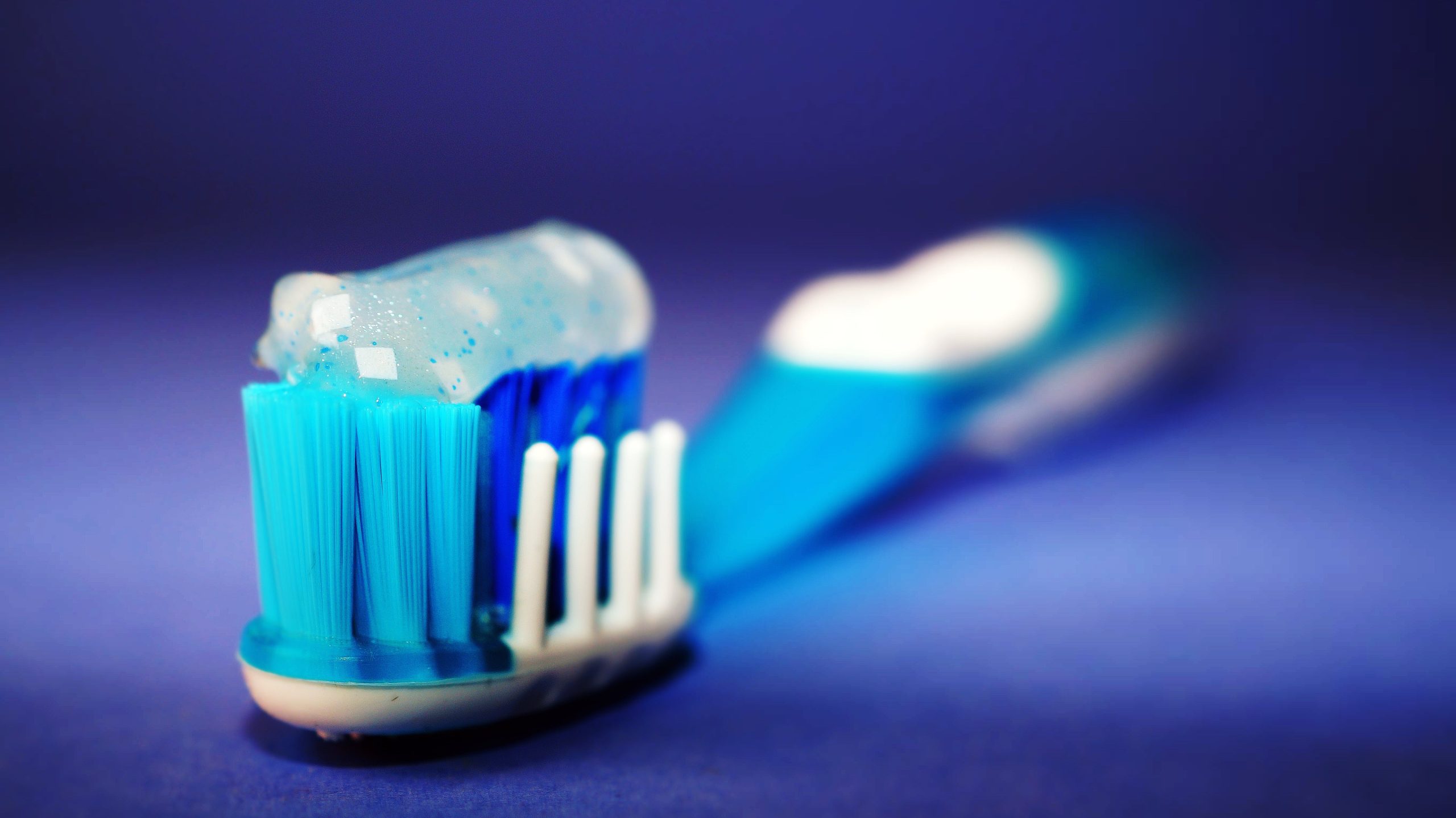
Maintaining good oral hygiene is crucial to prevent cavities. Brushing teeth at least twice a day with fluoride toothpaste helps remove plaque and prevents cavities. Fluoride helps strengthen enamel, helping your teeth stay strong and ward off cavities. Regular dental check-ups are vital in early detection, enabling prompt intervention. Dentists can provide professional cleanings and apply sealants for added protection. This dentist who does quality dental implants in Cleveland TN also recommends flossing every night
Gum Disease
Periodontal (gum) disease is an inflammatory condition affecting the tissues surrounding the teeth. It starts as gingivitis, causing redness and swelling of the gums, and can progress to periodontitis if left untreated, ultimately leading to tooth loss.
Preventive measures against gum disease include regular flossing to remove plaque and debris between teeth, along with professional cleanings to eliminate hardened plaque (tartar). Quitting smoking is also crucial, as smoking is a significant risk factor for gum disease. Smoking also leads to numerous other health concerns, some serious and fatal, making it a good idea to quit in general.
Oral Cancer
Oral cancer, encompassing cancers of the mouth and throat, poses a significant threat to Canadians, especially those who consume alcohol or tobacco. Chewing tobacco can easily lead to different oral cancers, making early detection a key to successful treatment and a favourable prognosis.
Preventive measures against oral cancer include regular oral exams conducted by dentists, who are often the first to notice signs of the disease. Limiting alcohol and tobacco use also significantly lowers the risk of developing oral cancer. Again, both substances are associated with numerous diseases and illnesses, making it ideal to minimise your consumption of either product.
Preventive Measures for All-Around Oral Wellness
Beyond targeting specific oral health issues, adopting general preventive measures promotes overall oral wellness. A balanced diet rich in vitamins and minerals and low in sugars contributes to strong teeth and gums. Staying hydrated by drinking plenty of water maintains saliva production, essential for neutralizing acids and preventing cavities. Also, using mouthguards during sports helps protect teeth from injuries and fractures. Chipped and broken teeth can be very expensive to fix, making it all the more important to use a mouthguard if you care about your teeth and wallet.
The Role of Education and Access to Oral Care Services
Educating the public about oral health and improving access to dental care services are integral components of a comprehensive strategy to address oral health problems in Canada. Community outreach programs that increase awareness can empower individuals with the knowledge and resources needed for maintaining optimal oral health. Government initiatives, such as subsidies, especially for vulnerable populations, can enhance access to dental care services, ensuring that financial constraints do not hinder preventive measures. A healthy populace is important, and oral hygiene can easily contribute to that.
Wrap Up
Understanding the common oral health problems faced by Canadians empowers individuals to take proactive steps in prevention. Through a combination of good oral hygiene practices, regular dental check-ups, and lifestyle modifications, Canadians can ensure that their smiles remain bright, and their overall health stays on the right track. As the saying goes, prevention is better than cure, and this holds true for oral health in Canada.
Follow Canada News Media
Get the day's top Canadian stories and our two daily 60-second news videos wherever you scroll.
X Threads Facebook Instagram LinkedIn TikTok YouTube Pinterest Reddit Substack Flipboard Newsletter RSS