



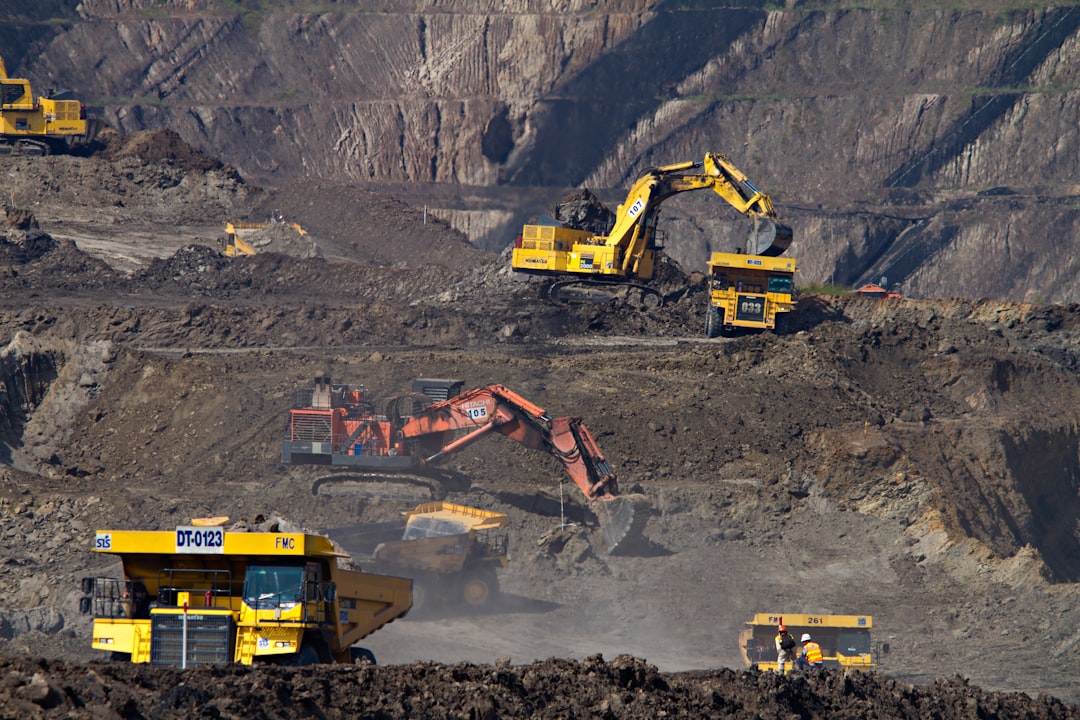
Global demand for lithium is climbing fast, driven by electric vehicles and large-scale battery storage. As a result, supply chains are under pressure, and policy decisions in resource-rich countries are drawing more attention from investors and operators. Zimbabwe’s recent ban on exporting raw lithium ore has caused new debates about supply security and long-term investment plans.
Vancouver-based analyst Lucas Birdsall says this decision could impact market behaviour and corporate planning.
Zimbabwe has some of the largest hard-rock lithium deposits in Africa. Foreign mining companies have shown interest in Zimbabwe as producers seek stable sources of critical minerals. The government’s move to halt the export of unprocessed lithium aims to encourage companies to build processing and refining capacity within the country.
Officials want more value captured locally rather than sending raw materials abroad. That goal reflects a more assertive stance on how natural resources are managed and monetized.
“In my opinion, this is about long-term positioning,” says Birdsall. “Countries like Zimbabwe aren’t happy with exporting raw materials at lower margins. They want to be part of the full value chain, and that changes how global supply networks function.”
Trading circles are already discussing the short-term effects of the ban. The lithium market has faced tight supply due to high demand from automakers and energy storage developers. Any disruption to raw material flows can change pricing and sourcing decisions.
Zimbabwe’s new restrictive policy forces buyers to rethink procurement plans. Companies that depend on direct ore shipment might need to secure processed lithium or invest directly in local operations. Price fluctuations are likely as the market adjusts to the new conditions.
Meanwhile, some analysts see potential long-term benefits of domestic processing. Refined lithium products are more consistent in terms of quality, which may improve reliability for manufacturers at the lower end of the supply chain.
Birdsall mentions that possibility when talking about market adjustments.
“Short-term disruptions are bound to happen when a major supplier changes course,” he says. “If local processing capacity develops as planned, the industry could see more consistent output and better supply reliability.”
Government control over raw materials has increased in several areas rich in critical minerals. Zimbabwe’s policy focuses on capturing greater economic returns within national borders. A change like this typically means companies have to rethink how and where they deploy capital.
Investment choices based on lithium projects may now include funding for local infrastructure, such as refining facilities. Higher upfront costs and longer development timelines may also be a possibility, but stronger long-term access to supply can offset those challenges.
“Investment strategies must adjust to these policy decisions,” says Birdsall. “Building local partnerships and infrastructure can bring opportunities, but also challenges. Timelines and regulatory conditions can change quickly.”
The ripple effects extend into several countries. Supply chains may need to be redesigned to account for new processing centres closer to resource sites. Changes like these can affect logistics, pricing structures, and long-term contracts between suppliers and manufacturers.
Zimbabwe’s decision might also encourage similar policies in other countries with healthy mineral reserves. Governments are monitoring demand for lithium and other battery materials. A push for domestic value capture could impact how future mining agreements are structured.
A situation like this presents both risks and benefits to investors. Short-term volatility can create uncertainty, especially for projects involving the export of raw materials. New opportunities may also arise in areas that support local processing and industrial development.
Companies that invest early in these markets may gain a competitive advantage. Solid relationships with local governments and partners could help maintain a stable supply in a more controlled environment.
Birdsall emphasizes the importance of staying aware of these policy changes.
“These kinds of changes don’t happen in isolation,” he says. “There’s a pattern in how countries are considering resource ownership and economic value. Investors must pay attention to where that value is shifting.”
Lithium is one of the most-watched commodities linked to the global energy transition. Zimbabwe’s export ban signals a new phase in supply chain structures and investment capital allocations.
For stakeholders such as Lucas Birdsall in Vancouver and beyond, the message is direct. Resource ownership, local value creation, and smart investment decisions will form the next chapter of the lithium market.
Follow Canada News Media
Get the day's top Canadian stories and our two daily 60-second news videos wherever you scroll.
X Threads Facebook Instagram LinkedIn TikTok YouTube Pinterest Reddit Substack Flipboard Newsletter RSS